
Table of Contents
- What Affects Roll-Off Dumpster Prices
- Roll-Off Dumpster Size Guide and Capacity
- Understanding Dumpster Rental Weight Limits
- What Can You Put in a Dumpster
- Rental Duration, Extensions, and Overage Fees
- Permit Requirements and Local Regulations
- How to Choose the Right Dumpster and Avoid Hidden Costs
- Frequently Asked Questions
Last Updated: September 18, 2026
Understanding roll-off dumpster prices requires looking beyond the base rental cost. The total expense depends on dumpster size, weight limits, rental duration, local regulations, and waste type. This guide breaks down what drives roll-off dumpster prices so you can make an informed decision and get accurate quotes for your specific project.
What Affects Roll-Off Dumpster Prices
Multiple factors influence roll-off dumpster prices: size, rental duration, weight limits, waste type, local regulations, and delivery logistics. Dumpster size is the primary cost driver. Rental duration matters equally, longer rentals cost more, and extension fees add up quickly if you underestimate your timeline. Weight limits trigger overage fees when exceeded. Hazardous materials, heavy construction waste, and prohibited items increase costs or require specialized disposal. Permit requirements, same-day delivery premiums, site accessibility, and local tipping fees also affect your final bill.
Ask your dumpster rental provider for a complete breakdown of all fees upfront. Pricing transparency prevents surprises and helps you compare quotes accurately across different companies.
Roll-Off Dumpster Size Guide and Capacity
Choosing the right dumpster size controls costs. Too small and you’ll pay overage fees or need a second dumpster; too large and you pay for unused capacity. Austex offers four standard sizes for different project types.
A 15-yard dumpster holds approximately 15 cubic yards and fits most residential driveways. It works for general household cleanouts, small renovations, and moderate landscaping. The 15-yard is the required choice for large amounts of heavy material such as concrete, dirt, brick, or rock. When filled with clean concrete, dirt, brick, or rock with no trash or contamination, customers may receive a break on tonnage charges.
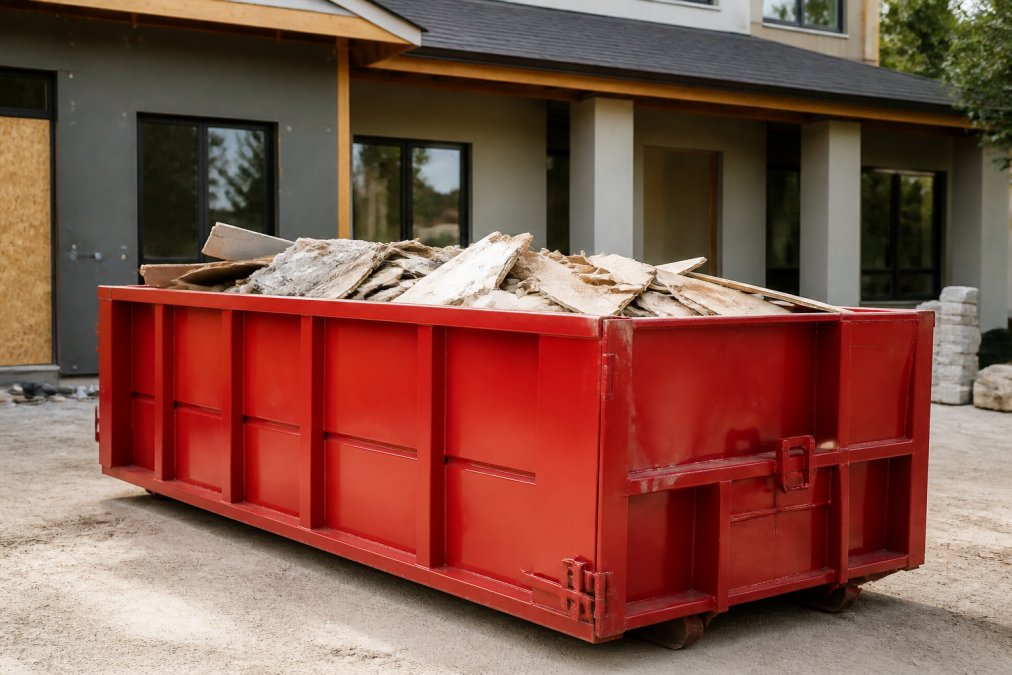
A 20-yard dumpster suits medium projects like roofing tearoffs and kitchen renovations. The 25-yard handles substantial renovations and whole-house cleanouts. A 30-yard dumpster manages the largest residential and commercial projects, major demolition, and significant cleanups.
Cubic yardage doesn’t translate to weight capacity equally. Lightweight materials like drywall fill more volume than concrete. Dense materials hit weight limits before filling space. Knowing your waste type helps you choose the right size and avoid overage charges.
The 15-yard dumpster is the standard choice for most residential projects, but heavy materials like concrete and brick require careful consideration of weight limits, not just cubic yardage.
Understanding Dumpster Rental Weight Limits
Every roll-off dumpster comes with a weight limit, typically 6 to 10 tons depending on size and local regulations. Exceeding it triggers overage fees calculated per ton over the limit. Weight limits exist because trucks have payload restrictions and disposal sites charge tipping fees by weight. Concrete, asphalt, dirt, brick, and stone weigh far more than drywall, insulation, or wood framing.
A single cubic yard of concrete weighs roughly 1.5 tons. A 10-by-10-foot patio removal generates 1.5 to 2 tons. A full roof tearoff on a 2,000-square-foot house can exceed 4 tons. Soil and landscaping debris compress and gain weight quickly.
Calculate the volume of material you’re removing and research its weight. Communicate clearly with your rental provider. Austex Dumpsters offers expert guidance on sizing to prevent overage charges. When uncertain, request a larger dumpster rather than face surprise fees.
What Can You Put in a Dumpster
Not all debris is dumpster-appropriate. Understanding restrictions prevents project delays, fines, and additional costs while ensuring responsible disposal.
What typically goes in standard roll-off dumpsters:
General household items, construction debris like wood and drywall, yard waste, appliances, roofing materials, flooring, insulation, furniture, and carpeting are typically accepted. Large amounts of heavy material such as concrete, dirt, brick, or rock must go in a 15-yard dumpster specifically.
What is prohibited and where it actually goes:
Hazardous materials like paint, solvents, pesticides, and chemical cleaners are prohibited and require hazardous-waste facilities. Most municipalities operate collection events (quarterly or semi-annually) where residents can drop off these items free or for a small fee. Contact your local environmental or public works department for schedules.
Batteries and fluorescent bulbs contain mercury or lead and cannot go in dumpsters. Rechargeable batteries can be returned to retailers like Best Buy or Home Depot for free recycling. Fluorescent bulbs go to hazardous-waste facilities or specialty recyclers. Confirm whether single-use alkaline batteries are accepted with your provider.
Electronics like computers, televisions, printers, and monitors have recycling requirements under e-waste laws. Many manufacturers offer mail-back recycling programs. Local recycling centers and retailers like Best Buy accept electronics; some charge a small fee, others accept them free.
Tires and propane tanks are prohibited due to safety and environmental regulations. Tire shops accept old tires. Propane suppliers and hardware stores refill or safely dispose of tanks; never throw a propane tank in a dumpster. Contact your local police department for ammunition disposal.
Refrigerants and air-conditioning units require certified technicians to remove refrigerant before disposal. Installers or retailers typically handle this when replacing units.
Mattresses and box springs take up excessive dumpster space. Donation centers and charities often accept used mattresses in good condition. For disposal, contact your local bulk-waste pickup service or specialty furniture recyclers.
Asbestos-containing materials cannot go in standard dumpsters and require certified abatement contractors. Have suspected asbestos tested before removal; improper handling creates serious health risks and legal liability.
Before loading your dumpster:
Confirm with your rental provider what’s accepted for your specific project. Prohibited items discovered during disposal result in removal fees, delays, or fines. Austex Dumpsters provides clear guidance on acceptable items and disposal alternatives. Planning disposal logistics in advance prevents costly surprises.
Placing prohibited hazardous materials in a dumpster can result in fines, project delays, environmental liability, and additional disposal costs. Always verify what’s allowed and research alternatives before your project begins.
Rental Duration, Extensions, and Overage Fees
Most dumpster rentals come with a standard period of 7 to 14 days. Going beyond triggers extension fees, usually calculated daily. Many customers underestimate project timelines. A two-week job stretches to three weeks due to unexpected issues or delays. Be realistic about your timeline and build in a buffer. If you think you need two weeks, request three. Austex Dumpsters works with you to match your rental period to actual project needs, preventing costly surprises.
Overage fees apply when you exceed the weight limit in your rental agreement, typically calculated per ton over the limit. A project generating 8 tons in a 6-ton dumpster incurs charges for 2 tons. Some companies charge for items requiring special handling or disposal, and may offer reduced rates for clean debris diverted from landfills.
Permit Requirements and Local Regulations
Placing a dumpster on public property typically requires a permit in most municipalities. Permit costs and approval timelines vary dramatically by location. Costs depend on whether placement is public or private, duration, your municipality’s fee structure, and whether additional environmental or construction permits are needed. Processing times range from same-day to 5-10 business days.
Placing the dumpster on private property, your driveway, yard, or parking lot, may avoid permit requirements. However, check local regulations first. Some jurisdictions require permits even for private placement if the dumpster blocks sight lines, occupies a setback area, or involves demolition or hazardous materials.
Environmental regulations affect permitting and disposal. Many states require construction debris to be sorted for recycling. Concrete and wood must sometimes be separated from mixed debris. Some municipalities require asbestos surveys or lead-paint assessments before demolition waste removal. These requirements influence where waste goes, tipping fees, and whether additional permits are needed.
Contact your local building department or public works office before requesting a dumpster quote. Ask: (1) Does my project require a permit? (2) What is the fee and timeline? (3) Are there waste-sorting or environmental requirements? Austex Dumpsters can advise on permit needs upfront. When you request a quote, mention whether placement is public or private so we can advise on permit needs upfront.
How to Choose the Right Dumpster and Avoid Hidden Costs
Be specific about your project. Measure the space you’re clearing or calculate demolition square footage. Research material weights, concrete, brick, and soil are heavy; drywall and wood are lighter. Get quotes from multiple providers asking for complete cost breakdowns: base rental, delivery, pickup, weight limits, extension fees, overage fees, and permit costs. Compare total cost, not just base price. Confirm what’s included in the rental period and whether extensions are available. Ask about waste restrictions and whether recycling or landfill disposal affects cost. Choose a provider with transparent communication. Austex Dumpsters prioritizes clarity and expert guidance to help you choose the right size and avoid hidden costs.
By understanding what drives roll-off dumpster prices and asking the right questions, you control costs and keep your project on schedule.
Frequently Asked Questions
What factors influence the total cost of a roll-off dumpster rental?
Roll-off dumpster prices depend on dumpster size, rental period, debris type, local delivery logistics, and weight. Heavier materials like concrete and brick affect tonnage charges. Rental duration, permit requirements in your area, and whether you need same-day delivery also influence final costs. Request a quote from Austex Dumpsters to see pricing based on your specific project needs.
Is there a weight limit for roll-off dumpsters?
Yes, each dumpster size has a weight limit based on load capacity and local regulations. Exceeding the weight limit typically results in overage fees. Heavy materials like concrete, dirt, brick, and rock have different weight considerations than general debris. Austex Dumpsters can advise on weight limits for your specific rental to help you avoid surprise charges.
How do I know what size dumpster I actually need?
Consider the volume of debris you’ll generate and the type of materials. A 15-yard dumpster works for general household cleanouts, while larger projects may need 20-, 25-, or 30-yard options. Remember that large amounts of heavy materials like concrete or brick must go in a 15-yard dumpster. Austex Dumpsters provides expert guidance on sizing during your quote to ensure you get the right container without overpaying or needing a second delivery.
Are there hidden fees associated with dumpster rentals?
Transparent pricing is essential. Common fees include overage charges for exceeding weight limits, rental extension fees if you keep the dumpster longer, and permit costs for public property placement. Some companies charge landfill tipping fees separately. Austex Dumpsters offers straightforward pricing; ask about all potential charges upfront when requesting your quote to avoid surprises.
Dumpster rental pricing doesn’t have to be complicated. When you work with a provider that explains every cost upfront and offers expert guidance on sizing, you avoid overage fees and project delays. Austex Dumpsters provides same-day delivery options, transparent pricing, and expert advice on choosing the right dumpster size for your specific project. Fill out a form to request a dumpster rental and get an accurate quote for your cleanup, renovation, or construction project.