
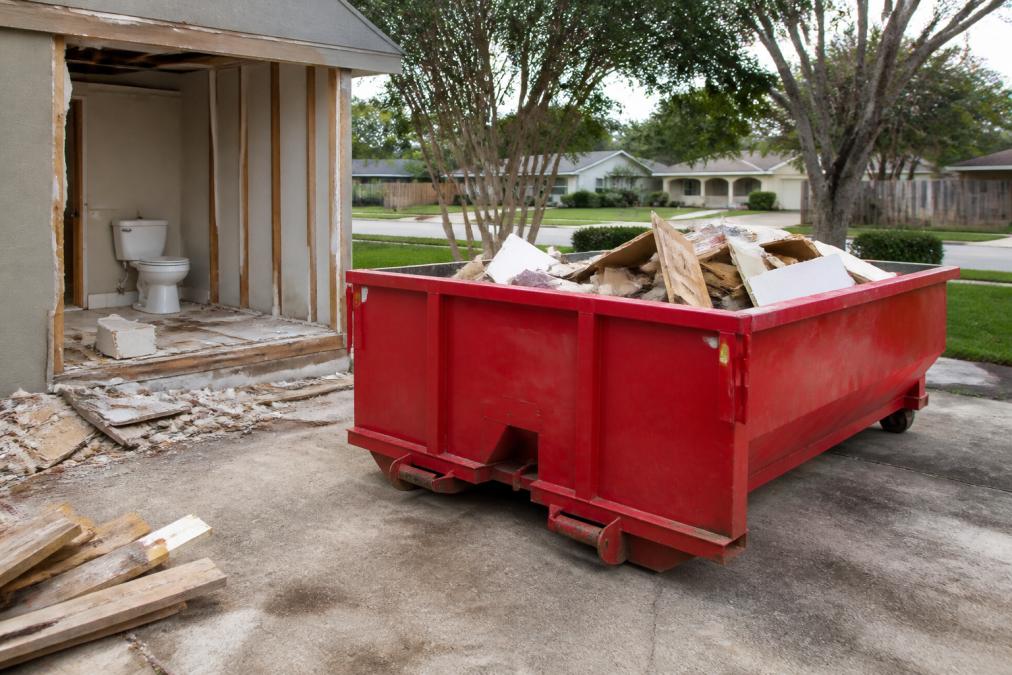
Table of Contents
- Bathroom Remodel Dumpster Size: Quick Sizing Guide
- Factors That Determine Your Dumpster Size
- How to Dispose of Bathroom Renovation Debris
- Heavy Material Disposal Guidelines for Tile and Concrete
- Roll-Off Dumpster Rental Duration and Logistics
- Avoiding Overage Fees and Common Sizing Mistakes
- Frequently Asked Questions
Last Updated: September 19, 2026
Bathroom Remodel Dumpster Size: Quick Sizing Guide
Choosing what size dumpster for small bathroom remodel projects is one of the most overlooked steps in project planning. Most homeowners guess, rent the wrong size, and either run out of space mid-project or pay for capacity they never use. At Austex Dumpsters, we help contractors and homeowners navigate this decision by breaking down exactly what size dumpster for small bathroom remodel projects actually works.
The scope of your bathroom renovation determines everything. A powder room refresh generates far less debris than a full gut renovation with tile removal and fixture replacement. Before you call for a dumpster, you need to understand what’s coming out of your bathroom and how much space it takes up.
Here’s what matters most: the type of debris (light drywall versus heavy tile and concrete) and the total volume you’re removing. These two factors separate a project that fits perfectly in one rental from one that requires an upgrade or a second haul.
Factors That Determine Your Dumpster Size
The right dumpster size depends on three concrete variables: scope of work, debris type, and weight. Get these wrong, and you’ll either overflow or waste money on unused capacity.
Scope of Work: Partial vs. Full Renovation
A partial bathroom remodel removes some fixtures and finishes. You’re replacing the vanity, updating flooring, maybe refreshing tile in the shower surround. This type of work generates moderate debris volume.
A full gut renovation removes everything: vanity, toilet, tub or shower surround, flooring, wall tile, drywall, and sometimes even framing. The debris pile grows significantly. Demolition waste from a full gut renovation can fill a dumpster quickly because you’re hauling out entire fixtures, not just finishing materials.
The difference between these two approaches shapes your dumpster selection. A vanity removal and tile refresh might fit comfortably in a smaller container. A complete bathroom teardown requires more capacity.
Debris Type and Weight Considerations
Not all bathroom debris weighs the same. Drywall is light and bulky. Tile and concrete are heavy and dense. This matters because dumpsters have both volume limits and weight limits.
Tile removal generates the heaviest debris. A single bathroom with tile walls and a tile floor can produce hundreds of pounds of tile waste. Concrete, brick, and rock from bathroom demolition are similarly dense. Drywall is the opposite: it takes up space but weighs very little.
Mixed debris loads (tile plus drywall plus fixtures) require careful planning. You can’t simply estimate volume and ignore weight. A dumpster filled with tile might hit its weight limit before reaching its volume limit, triggering overage fees. Understanding what’s coming out of your bathroom prevents these surprises.
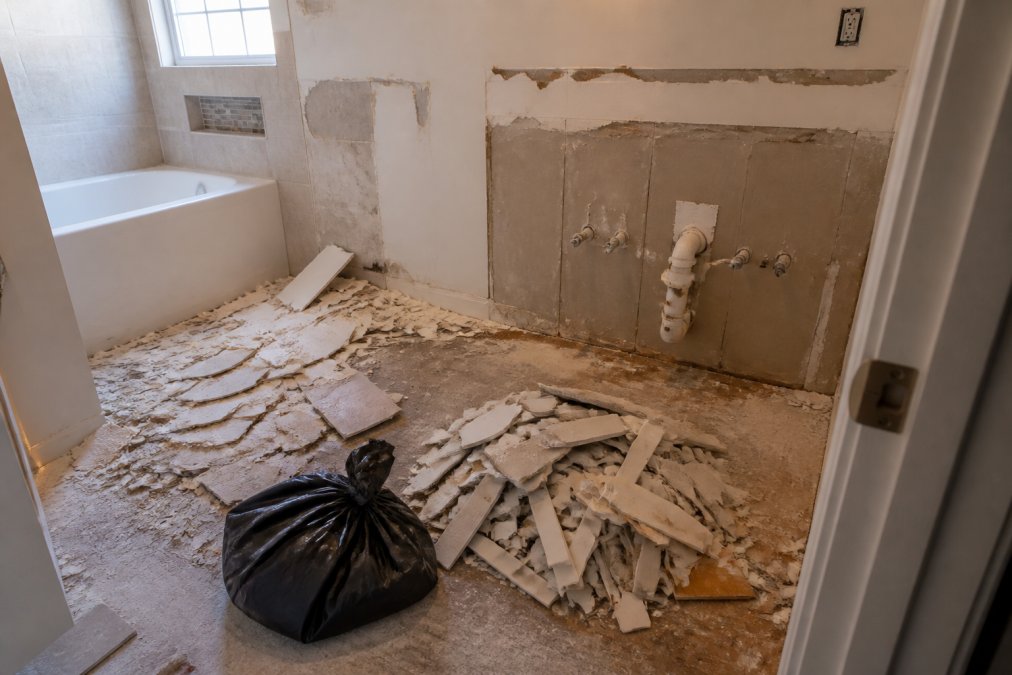
How to Dispose of Bathroom Renovation Debris
Bathroom renovation debris falls into specific categories, but the real challenge isn’t identifying what comes out, it’s understanding how much weight each material type contributes. This distinction separates users who rent correctly from those who hit unexpected overage fees.
Common bathroom demolition waste includes:
- Vanities and cabinets (can be bulky but light)
- Toilets, tubs, and shower surrounds (heavy fixtures)
- Tile and grout (dense, heavy material)
- Drywall and plaster (light, takes up space)
- Flooring material (varies by type: vinyl is light, tile is heavy)
- Fixtures like faucets, mirrors, and lighting (small but numerous)
- Plumbing and electrical components (small volume)
Most of this debris goes directly into a dumpster. Some items require separate handling. Porcelain fixtures like toilets can break and create sharp edges, but they’re still dumpster-appropriate. Avoid throwing hazardous materials like asbestos or lead paint into a standard dumpster. If your home was built before 1980, have materials tested before demolition.
Weight vs. Volume: Why This Matters
A dumpster has two limits: volume (measured in cubic yards) and weight (measured in tons). Most homeowners focus only on volume and get blindsided by weight limits. This is especially true in bathroom remodels where tile and concrete dominate the debris load.
Drywall is the opposite problem. A bathroom filled with drywall debris can max out your volume capacity while using only a fraction of your weight allowance. Light materials like drywall, insulation, and vinyl flooring take up enormous space relative to their weight.
Tile and concrete are the real weight drivers. A bathroom with tile walls and a tile floor generates hundreds of pounds of tile waste. The substrate underneath (cement board, mortar, concrete base) adds another 100-200 pounds. A single bathroom tile demolition can easily produce 500-800 pounds of debris, depending on coverage area and substrate depth.
Fixtures like cast-iron tubs and porcelain toilets are deceptively heavy. A standard cast-iron bathtub weighs 300-400 pounds. A toilet weighs 75-100 pounds.
Sorting Strategy to Avoid Overage Fees
Heavy Material Disposal Guidelines for Tile and Concrete
Tile, concrete, brick, and rock are the heaviest materials you’ll encounter in bathroom demolition. These materials require specific handling because they quickly exceed weight limits.
Roll-Off Dumpster Rental Duration and Logistics
How long you keep a dumpster affects both cost and project flow. Most bathroom remodels take between two and four weeks, depending on scope and contractor availability.
Typical rental periods:
- Quick refreshes (vanity and flooring): 1-2 weeks
- Partial renovations (multiple fixtures and tile): 2-3 weeks
- Full gut renovations (complete demolition and rebuild): 3-4 weeks
Driveway Space and Placement Logistics
Key placement considerations:
- Driveway width: A single-car driveway (typically 10-12 feet wide) may not accommodate a dumpster without blocking street access or neighbor driveways. Confirm with your rental company whether placement is even possible before ordering.
- Overhead obstructions: Power lines, tree branches, and rooflines can prevent delivery. A dumpster truck needs 14-16 feet of vertical clearance to position the container. Walk your property and identify any overhead hazards before scheduling delivery.
- Surface condition: Asphalt driveways can crack or develop ruts under the weight of a loaded dumpster. Concrete is more durable, but damage is still possible. Gravel or unpaved surfaces offer the least protection.
- Slope and drainage: A sloped driveway can cause a dumpster to shift or tip. Flat, level placement is essential for safety and stability.
Driveway Protection
Street Placement and Permits
- Minimum distance from fire hydrants (typically 15 feet)
- Minimum distance from storm drains
- Notification to neighbors or the city
- Permit fees (usually $25-$100, though this varies)
Same-Day and Flexible Delivery
Avoiding Overage Fees and Common Sizing Mistakes
The most common mistake is underestimating debris volume. Homeowners often think a bathroom remodel generates less waste than it actually does. Then halfway through demolition, the dumpster is full and they need a second rental.
How to avoid these mistakes:
- Estimate conservatively. If you think your debris fits in a 20-yard dumpster, consider a 25-yard. The extra capacity costs less than a second haul.
- Separate heavy and light materials. Keep tile and concrete separate from drywall and fixtures. This prevents overloading a single dumpster.
- Account for fixture size. A toilet or vanity takes up more space than you expect. Old fixtures are often bulkier than modern ones.
- Plan for contingencies. Renovation work often uncovers surprises. Structural damage, hidden plumbing, or asbestos can increase debris volume. Build in extra capacity.
- Confirm weight limits upfront. Ask about the weight capacity for your specific dumpster size. Know the threshold before you start loading.
| Debris Type | Weight Per Cubic Yard | Best Dumpster Size | Notes |
|---|---|---|---|
| Drywall | Light | 20-25 yard | Takes up space, minimal weight |
| Tile and grout | Very heavy | 15-yard | Dense material, weight is the constraint |
| Flooring (tile) | Heavy | 15-yard | Substrate adds significant weight |
| Fixtures (toilet, tub) | Heavy | 20-25 yard | Bulky but fewer pieces |
| Mixed debris | Varies | 25-30 yard | Conservative sizing prevents issues |
Frequently Asked Questions
What size dumpster do I actually need for a small bathroom remodel?
For a powder room or small bathroom update (new fixtures only), a 15-yard dumpster typically handles the debris. For a full gut renovation with tile removal, drywall demolition, and flooring replacement, you may need a 20-yard or larger. Estimate your debris volume by measuring the bathroom square footage and multiplying by the depth of materials being removed, then convert to cubic yards (27 cubic feet = 1 cubic yard). When in doubt, Austex Dumpsters can help you right-size your rental based on your specific project scope.
How do I estimate the volume of debris from my bathroom renovation?
Start by measuring your bathroom in square feet, then estimate the thickness of debris you’re removing. For example, removing tile and backer board from a 50-square-foot bathroom with 6 inches of material creates roughly 15 cubic yards of debris. Light materials like drywall and fixtures take up more volume than dense materials like tile or concrete. Use this rough calculation: (bathroom square feet × depth in feet) ÷ 27 = cubic yards. If you’re unsure, describe your project to the Austex team and they’ll recommend the right size.
Can I put heavy materials like tile and concrete in a dumpster?
Yes, but with important restrictions. Heavy materials such as tile, concrete, brick, and rock must go in a 15-yard dumpster. These materials cannot be placed in 20-, 25-, or 30-yard dumpsters. If your bathroom remodel involves significant tile demolition or concrete removal, confirm your debris is going into a 15-yard container. When a 15-yard dumpster is filled with clean concrete, dirt, brick, or rock with no trash or other contamination, you may receive a break on tonnage charges.
What happens if I run out of space before my project is done?
Miscalculating debris volume is one of the most common sizing mistakes. If you exceed capacity, you’ll face overage fees based on weight. The best strategy is to err on the side of a larger dumpster size if your project scope is uncertain. A 20-yard or 25-yard dumpster costs less than paying weight overage charges. Austex Dumpsters offers expert guidance on sizing, contact them with photos or detailed descriptions of your project, and they’ll help you avoid costly overages.
Bathroom renovations create unpredictable debris loads. The difference between a vanity replacement and a full gut renovation is enormous. Austex Dumpsters provides expert guidance on sizing so you choose the right container the first time. Our team understands bathroom demolition waste and helps you avoid overage fees and project delays. Contact Austex Dumpsters today to request a dumpster rental and get your bathroom remodel back on schedule.