
Table of Contents
- Why Commercial Dumpster Services Matter for Property Managers
- Understanding Dumpster Rental Sizing Guide for Your Project
- Heavy Debris Disposal Regulations You Need to Know
- Same-Day Dumpster Delivery Services: Keeping Projects on Schedule
- Avoiding Common Pitfalls in Waste Contracts
- Waste Diversion and Environmental Compliance
- Recurring vs. Temporary Pickup: What Property Managers Need
- Tenant Education and Waste Contamination Prevention
Last Updated: August 20, 2026
Why Commercial Dumpster Services Matter for Property Managers
Property managers juggle dozens of moving pieces: tenant relations, maintenance schedules, regulatory compliance, and yes, waste management. What most overlook is that commercial dumpster services aren’t just a utility expense. They’re a project lifeline. A delayed dumpster pickup can stall an office renovation for days. Contaminated waste streams can trigger compliance violations. The wrong container size means overage fees that balloon your budget.
At Austex Dumpsters, we’ve seen how the right waste removal partner keeps projects moving while the wrong one creates chaos. Commercial dumpster services for property managers go beyond simply removing trash, they’re about maintaining operational efficiency, meeting environmental standards, and protecting your bottom line.
The stakes are high. A construction cleanup that should take three days stretches to five because the dumpster arrived late or filled too quickly. Tenants throw prohibited items into waste streams, triggering fines from disposal sites. A property manager ends up managing the mess instead of managing the property.
This guide covers what actually matters when selecting commercial dumpster services: sizing accuracy, regulatory compliance, service reliability, and cost control. We’ll walk you through the decisions that separate smooth projects from costly delays.
Understanding Dumpster Rental Sizing Guide for Your Project
The single biggest mistake property managers make is guessing at dumpster size. You pick what sounds reasonable, then either waste money on unused capacity or scramble for a second container mid-project. The right sizing decision depends on three factors: the type of debris, the project timeline, and the volume you’re actually generating.
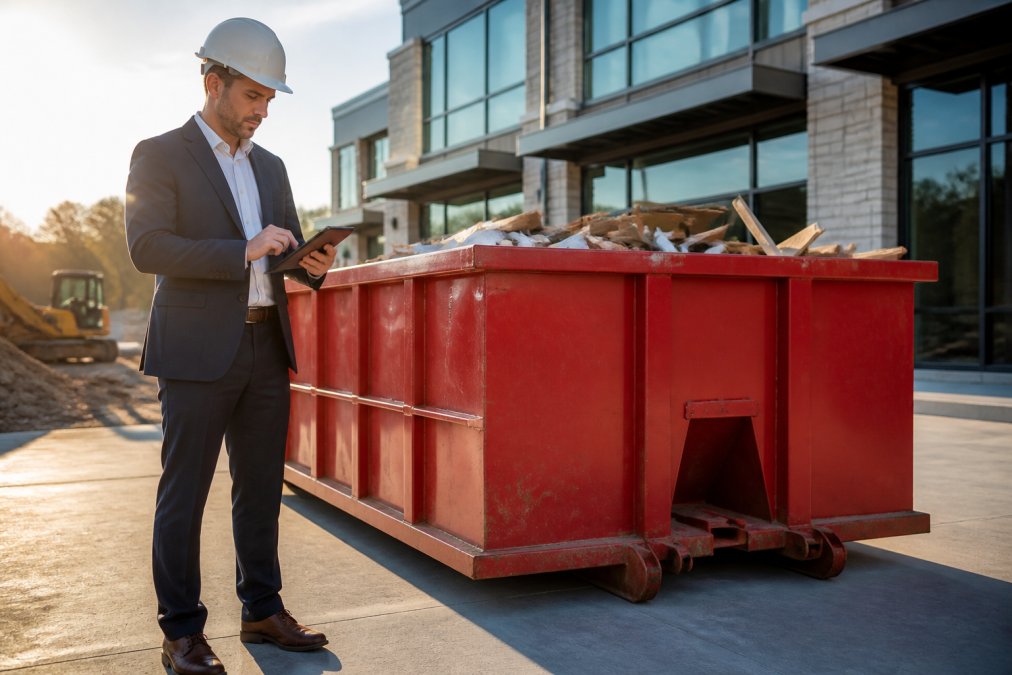
Austex Dumpsters offers four sizes: 15-yard, 20-yard, 25-yard, and 30-yard containers. Each serves a distinct purpose, and matching the right size to your project prevents overpayment and project delays.
15-Yard Dumpsters: Heavy Debris and Renovation Waste
The 15-yard dumpster is purpose-built for heavy materials. If your project involves large amounts of concrete, dirt, brick, or rock, this is your container. These materials are dense, they weigh far more than general construction debris like drywall or wood, so a 15-yard dumpster actually holds more weight capacity than larger containers designed for lighter waste.
This is where property managers often misunderstand sizing. A 30-yard dumpster sounds bigger, but it’s engineered for general debris. Filling it with heavy materials exceeds weight limits, triggering overage fees or refusal of the load. The 15-yard dumpster solves this problem by design.
When your 15-yard dumpster contains clean concrete, dirt, brick, or rock with no trash or contamination mixed in, you may receive a break on tonnage charges. This benefit rewards proper waste separation and makes heavy material disposal more cost-effective than many property managers expect.
Use the 15-yard dumpster for: demolition work involving concrete or masonry, site excavation and dirt removal, roofing tearoffs with slate or tile, parking lot repairs, and landscaping projects generating significant soil or rock debris.
20-Yard, 25-Yard, and 30-Yard Options for Larger Projects
The 20-yard, 25-yard, and 30-yard dumpsters handle general construction and renovation debris: drywall, wood, insulation, flooring, fixtures, and mixed building materials. These containers are sized for volume rather than weight, making them ideal for projects generating large quantities of lighter waste.
A 20-yard dumpster suits office cleanouts, interior renovations, and moderate-scale demolition. The 25-yard bridges smaller and larger projects, offering flexibility when you’re uncertain whether 20 or 30 yards is correct. The 30-yard handles major renovations, significant cleanouts, and large commercial projects where waste volume is substantial.
Property managers often ask whether they should "go bigger to be safe." The answer depends on your timeline and budget. A slightly undersized container forces a second pickup (more cost, more disruption). An oversized container wastes money on unused space. The sweet spot comes from understanding your project’s actual debris volume.
| Dumpster Size | Best For | Project Examples |
|---|---|---|
| 15-yard | Heavy materials only | Concrete removal, masonry demolition, excavation |
| 20-yard | Small to medium projects | Office cleanouts, bathroom renovations, minor demolition |
| 25-yard | Medium projects | Kitchen remodels, flooring replacement, moderate debris |
| 30-yard | Large projects | Major renovations, extensive cleanouts, large-scale demolition |
Heavy Debris Disposal Regulations You Need to Know
Waste disposal isn’t a free-for-all. Federal and state regulations govern what can go into landfills, how hazardous materials must be handled, and what constitutes contamination. As a property manager, you’re liable if your waste stream violates these rules, even if you didn’t personally load the dumpster.
The Environmental Protection Agency (EPA) regulates solid waste disposal, and state environmental agencies enforce specific requirements. Hazardous materials like asbestos, lead paint, oils, and solvents require special handling and cannot go into standard dumpsters. Mixing prohibited items into a general waste stream can result in fines, rejected loads, and project delays.
Many property managers don’t realize that contamination, even unintentional, triggers compliance violations. A single bag of hazardous waste mixed into a dumpster full of general debris can cause the entire load to be rejected at the disposal site. The dumpster gets held, your project stalls, and you absorb the cost.
The solution is clear waste separation protocols and tenant education. Know what’s prohibited before the dumpster arrives. Communicate rules to contractors and building occupants. Inspect loads before pickup when possible. A few minutes of prevention saves days of delay and thousands in fines.
Austex Dumpsters helps property managers navigate these requirements by providing guidance on what belongs in each container and ensuring loads meet disposal site standards. This expertise prevents the costly mistakes that derail projects.
Same-Day Dumpster Delivery Services: Keeping Projects on Schedule
Project timelines are tight. A renovation is scheduled to start Monday, and the dumpster needs to be on-site that day. Delayed delivery means delayed work, which cascades through your entire schedule and budget.
Same-day dumpster delivery services eliminate this risk. When availability allows, Austex Dumpsters can deliver containers the same day you request them, keeping your project moving without unnecessary downtime.
Same-day delivery works when you’re organized about timing. Call early in the day, confirm availability, and provide clear site access instructions. The dumpster arrives ready to use, no waiting, no excuses, no schedule slippage.
Not every project needs same-day delivery. If you’re planning a renovation weeks in advance, standard delivery scheduling is fine. But for urgent cleanouts, emergency demolition, or projects where delays are costly, same-day service is worth the coordination effort.
The real value isn’t just speed, it’s reliability. You know the dumpster will be there when you need it. Contractors can start work as planned. Tenants see progress. Projects stay on track.
Avoiding Common Pitfalls in Waste Contracts
Waste contracts hide complexity. What looks straightforward on the surface often contains clauses that cost you money, limit your flexibility, or create unexpected obligations.
Hidden overage fees are the most common pitfall. A contract quotes a price for a dumpster, but that price assumes a certain weight limit. Exceed it, and you’re charged per ton. Property managers often underestimate how much their debris weighs, especially when heavy materials are involved. Read the weight limits explicitly. Ask what overage charges are. Build a buffer into your budget.
Minimum rental periods lock you in. Some contracts require a 30-day minimum even if you only need the dumpster for a week. If your project finishes early, you’re still paying for unused time. Negotiate shorter minimums or daily rates if your projects are short-duration.
Contamination penalties are expensive and often unexpected. A single prohibited item in a load can trigger rejection fees, disposal surcharges, or contract violations. Clear communication with everyone using the dumpster prevents this. Post signs. Brief contractors. Inspect loads.
Pickup delays aren’t always the hauler’s fault, but they’re always your problem. A full dumpster sitting on your property ties up space and disrupts operations. Verify pickup schedules in writing. Ask about guaranteed pickup windows. Know what happens if pickup is delayed.
Fill Out Form to Request Dumpster Rental →
Service area limitations matter more than many realize. Some haulers won’t serve certain properties or charge premium rates for remote locations. Confirm upfront that the service provider covers your property and that pricing depends on quantity, dates, and delivery.
The best contracts are transparent. Pricing is clear. Weight limits are stated. Pickup schedules are guaranteed. Prohibited items are listed explicitly. Terms are negotiable. When reviewing a waste contract, push back on vague language and get specifics in writing.
Waste Diversion and Environmental Compliance
Sustainability isn’t optional anymore, it’s a regulatory requirement and a business expectation. Waste diversion programs redirect materials from landfills to recycling or reuse facilities. For property managers overseeing commercial properties, waste diversion affects both compliance and cost.
Many jurisdictions now mandate waste diversion rates. Some require 50% of construction debris to be diverted from landfills. Others have specific rules for concrete, wood, metals, and other recyclables. Non-compliance triggers fines and can affect property certifications like LEED.
Waste diversion also reduces disposal costs. Recycled materials often cost less to process than general waste. Concrete and metal recycling programs pay for certain materials. Proper sorting and diversion lower your overall waste management expenses.
The challenge is execution. Diversion requires separate containers for different material types, clear labeling, contractor compliance, and coordination with recycling facilities. Many property managers skip this because it seems complicated. The reality is simpler: start with the materials that divert easily (concrete, metal, cardboard) and expand from there.
Austex Dumpsters supports waste diversion by helping property managers understand which materials can be separated and directing loads to appropriate facilities. This expertise turns diversion from a compliance burden into a cost-saving opportunity.
Recurring vs. Temporary Pickup: What Property Managers Need
Some properties need dumpsters constantly. Others need them for specific projects. Understanding the difference shapes your entire waste management strategy.
Temporary pickup suits one-time projects: renovations, cleanouts, demolition, seasonal maintenance. You rent a dumpster for the duration of the project, then it’s gone. This works well for property managers handling occasional large projects or managing properties with infrequent major work.
Recurring pickup is designed for ongoing needs: regular maintenance, tenant turnover cleanouts, landscaping debris, operational waste. Instead of calling for a dumpster each time, you have scheduled pickups on a weekly, biweekly, or monthly basis. The dumpster stays on-site (or returns on a predictable schedule), and you pay a recurring fee.
Recurring service offers stability. You know when pickup happens. Budgeting is predictable. You don’t have to coordinate new deliveries repeatedly. For property managers overseeing multiple buildings or properties with constant maintenance activity, recurring service eliminates administrative overhead.
Temporary service offers flexibility. You pay only when you need it. There’s no long-term commitment. For properties with sporadic waste needs, this prevents overpayment for unused capacity.
The decision comes down to your property’s waste patterns. Track your actual needs for three months. If you’re calling for a dumpster more than once a month, recurring service probably saves money and hassle. If you’re calling two or three times a year, temporary pickup makes more sense.
Austex Dumpsters offers both options. Discuss your property’s actual needs with their team, and they’ll recommend the approach that saves you money while keeping projects on schedule.
Tenant Education and Waste Contamination Prevention
Contamination is the silent project killer. A tenant throws a bag of old paint into the dumpster. A contractor tosses batteries and light fixtures mixed with general debris. The disposal site rejects the entire load. Your project stalls. Your budget suffers.
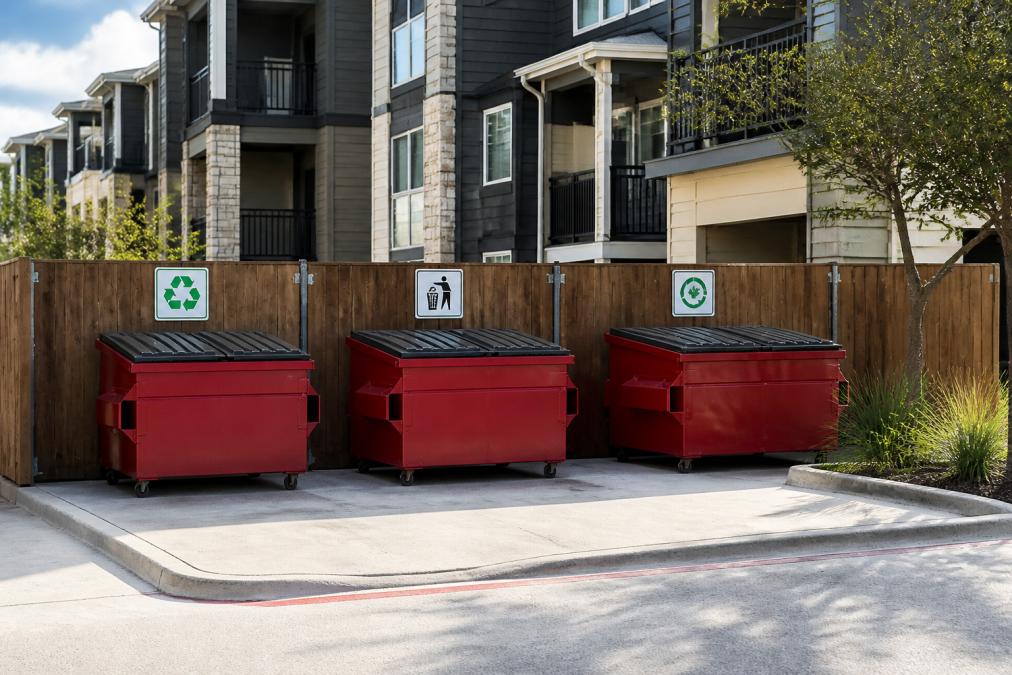
Prevention starts with education. Tenants and contractors need to know what goes in the dumpster and what doesn’t. This isn’t intuitive. People assume everything can go in, it can’t.
Create clear signage. Post a list of prohibited items directly on or near the dumpster. Use visuals when possible. Make it impossible to miss. Include contact information for questions. Clear signage prevents most contamination simply by making rules visible.
Brief contractors explicitly. Before work starts, walk contractors through waste protocols. Show them the dumpster. Explain what’s prohibited. Get acknowledgment in writing. Contractors who understand the rules follow them.
Inspect loads when possible. Before the dumpster is picked up, do a visual check. If contamination is visible, remove it before pickup. This prevents rejection and keeps your project moving.
Separate hazardous materials. Establish a separate process for hazardous waste: paint, solvents, oils, batteries, fluorescent bulbs. These require special handling and cannot go in standard dumpsters. Make this process obvious and mandatory.
Track what’s prohibited. Know your disposal site’s specific rules. Different facilities have different restrictions. What’s accepted at one site might be rejected at another. Austex Dumpsters understands local disposal requirements and can guide you on what’s acceptable.
Contamination prevention is 90% communication and 10% monitoring. Spend time upfront explaining rules, and you’ll spend far less time managing problems later.
Waste management for commercial properties doesn’t have to be complicated or costly. The difference between smooth operations and constant headaches comes down to choosing the right partner and staying organized about sizing, regulations, and contamination prevention. Austex Dumpsters handles the logistics, same-day delivery when you need it, expert guidance on container sizing, and support navigating disposal regulations, so you can focus on keeping your properties running efficiently. Request a quote today and see how reliable commercial dumpster services keep projects on schedule.
Frequently Asked Questions
How do I determine what size dumpster I need for my commercial property?
The right dumpster size depends on your project scope, waste type, and timeline. A 15-yard dumpster works well for general renovation debris and office cleanouts. Larger projects typically need 20-, 25-, or 30-yard containers. Austex Dumpsters provides expert guidance during your quote request to match your actual waste volume and avoid overage fees. Consider your project duration and whether you'll accumulate waste gradually or all at once.
What heavy materials require a 15-yard dumpster specifically?
Large amounts of concrete, dirt, brick, and rock must go in a 15-yard dumpster, not larger sizes. These materials are dense and heavy, so they require the proper container for safe handling and weight compliance. If your project involves substantial quantities of these materials, plan accordingly. Clean concrete, dirt, brick, or rock with no trash contamination may qualify for tonnage breaks, reducing your overall cost.
Can you really deliver a dumpster same-day for my property?
Same-day dumpster delivery services are available when you contact Austex Dumpsters quickly enough in the day. Same-day availability depends on current demand and your location, so it's not guaranteed for every request. Contact Austex to confirm availability for your specific Saturday or weekday need. Planning ahead by a day or two increases your chances of securing the exact delivery window you need.
What happens if I fill my dumpster beyond capacity?
Overfilling creates safety, legal, and cost problems. Overage fees apply when waste exceeds your dumpster's weight or volume limits. This is why accurate sizing upfront matters so much. Austex Dumpsters helps you select the right capacity during your consultation to prevent surprise charges. If you miscalculate, contact them immediately rather than overfilling; they can often arrange a second pickup or upgrade before overage penalties apply.
This article was written using GrandRanker