
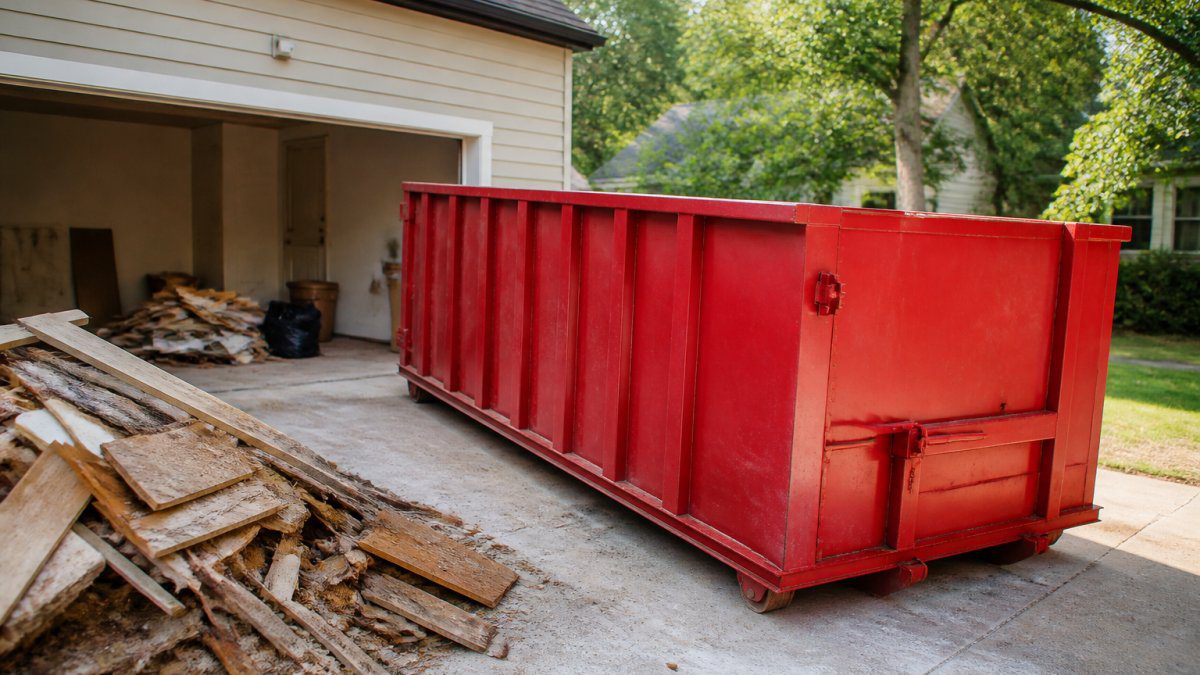
Table of Contents
- How to Rent a Roll-Off Dumpster: The Complete Process
- Dumpster Rental Sizes and Choosing the Right Capacity
- What Can You Put in a Roll-Off Dumpster
- How Long Can You Rent a Dumpster
- Dumpster Placement Requirements and Permits
- Understanding Rental Costs and Avoiding Overage Fees
- Common Mistakes to Avoid When Renting a Roll-Off Dumpster
- Frequently Asked Questions
Last Updated: October 18, 2026
How to Rent a Roll-Off Dumpster: The Complete Process
When you rent roll-off dumpster services, the process doesn’t have to be complicated. At Austex Dumpsters, we help homeowners, contractors, and property managers navigate the rental process with clear guidance on sizing, scheduling, and what to expect. Whether you’re tackling a home renovation, clearing out a construction site, or managing a commercial cleanout, understanding how to rent a roll-off dumpster makes the entire project smoother and keeps costs predictable.
The process breaks down into three straightforward steps: assess your debris, request a quote, and schedule your delivery and pickup. Let’s walk through each one.
Step 1: Assess Your Project and Debris Volume
Before you contact a dumpster rental company, take time to understand what you’re actually throwing away. This is where most people go wrong, they guess at volume and end up either renting a container that’s too small or overpaying for one that’s too large.
Start by walking through your project space and identifying the types of debris. Are you removing old roofing shingles? Clearing out a basement? Demolishing drywall? Hauling away landscaping waste? The material type matters more than you might think, because different debris has different densities and disposal requirements.
Next, estimate the volume. A practical approach: gather your debris in one area and measure roughly. If it fills a standard pickup truck bed three times, you’re looking at a smaller dumpster. If it would fill a pickup truck ten or more times, you’ll want a larger container.
Step 2: Request a Quote and Confirm Availability
Once you know what you’re dealing with, contact Austex Dumpsters for a quote. Have these details ready: your project type, the kinds of materials you’re disposing of, your preferred rental duration, and your delivery address. The more specific you are, the more accurate your quote will be.
When you speak with our team, we’ll ask about your timeline. Do you need same-day delivery? Next week? A month from now? Availability varies, but Austex Dumpsters offers same-day delivery when possible, which keeps your project on track without unnecessary delays.
A good rental company will confirm that your address can accommodate a roll-off dumpster. Some properties have space constraints, narrow driveways, overhead power lines, or parking restrictions, that affect placement. Confirming these details upfront prevents complications when the truck arrives.
Step 3: Schedule Delivery and Pickup
Once you’ve agreed on terms, lock in your delivery date and time. Austex Dumpsters coordinates with you to find a window that works for your schedule. When the dumpster arrives, the driver will position it in the agreed-upon location, typically on your driveway or in a designated area of your property.
On pickup day, make sure the dumpster is accessible and the area around it is clear of obstacles. Our team will handle the rest, we’ll collect the container and dispose of the debris according to local regulations.
Dumpster Rental Sizes and Choosing the Right Capacity
Choosing the right size is the single most important decision you’ll make when you rent roll-off dumpster services. Get this wrong, and you’ll either run out of space mid-project or pay for capacity you don’t use.
Austex Dumpsters offers four sizes: 15-yard, 20-yard, 25-yard, and 30-yard dumpsters. Each is designed for specific project types and debris volumes. Understanding the differences helps you make the right choice the first time.
15-Yard Dumpster: Best for Heavy Materials
The 15-yard dumpster is your go-to for heavy, dense materials. This size is ideal for projects involving large amounts of concrete, dirt, brick, or rock.
If you’re doing a concrete tearout, removing a brick patio, or hauling away excavated soil, the 15-yard is your best option. It’s also suitable for general household debris from smaller renovation projects, but when you’re dealing with heavy materials, this size prevents you from overfilling and facing overage charges.
One benefit worth noting: when a 15-yard dumpster is filled exclusively with clean concrete, dirt, brick, or rock (no trash or contamination mixed in), customers often receive a break on tonnage fees. This incentive rewards proper sorting and can meaningfully reduce your total rental cost.
20-Yard, 25-Yard, and 30-Yard Dumpsters: General Debris and Larger Projects
The 20-yard dumpster handles general household waste, construction debris like drywall and lumber, and moderate renovation projects. It’s the most commonly rented size because it balances capacity with cost for many jobs.
The 25-yard dumpster steps up for larger projects, full-home cleanouts, significant renovations, or commercial office clearances. It provides extra capacity without the footprint of a 30-yard unit, making it practical for properties with modest space.
The 30-yard dumpster is your largest option, designed for major construction demolition, extensive commercial projects, or multi-building cleanouts. It maximizes your capacity when volume, not weight, is your limiting factor.
For all three of these sizes, the materials you’re disposing of should be general debris: wood, drywall, flooring, insulation, and similar construction waste.
What Can You Put in a Roll-Off Dumpster
Understanding what’s allowed in your dumpster prevents surprises, delays, and extra fees. Most materials are acceptable, but some items require special handling or are prohibited entirely for safety and environmental reasons.
Accepted Materials
Roll-off dumpsters accept most common debris from residential and commercial projects:
- Drywall and gypsum board
- Wood and lumber
- Flooring materials (tile, vinyl, laminate)
- Roofing shingles and materials
- Insulation
- Carpeting and padding
- Metal and steel (non-hazardous)
- Appliances (refrigerators, stoves, washers)
- General household junk and furniture
- Yard waste and landscaping debris
When you rent a roll-off dumpster from Austex Dumpsters, our team will confirm which materials are acceptable for your specific rental. If you’re uncertain about a particular item, ask before you load it.
Prohibited Items and Why They Matter
Some items cannot go in a standard roll-off dumpster. These restrictions exist because the materials are hazardous, regulated by law, or require specialized disposal:
- Hazardous materials (paint, solvents, pesticides, asbestos)
- Batteries and electronics
- Tires
- Propane tanks and compressed gas cylinders
- Medical waste
- Radioactive materials
- Liquids and oils
- Explosives or ammunition
Attempting to dispose of prohibited items can result in significant fines, project delays, and legal liability. If your project generates any of these materials, ask about proper disposal options, many communities have specialized facilities for hazardous waste.
Fill Out Form to Request Dumpster Rental →
How Long Can You Rent a Dumpster
Rental duration flexibility is one of the biggest advantages of renting a roll-off dumpster. Your project timeline determines how long you need the container on site.
Most rental periods start at a few days and extend to weeks or months, depending on your needs. A typical home renovation might require a 7 to 10-day rental. A commercial cleanout could run two to four weeks. Longer projects benefit from extended rental periods, which keep costs manageable compared to multiple short-term rentals.
If you finish early, you can request pickup sooner, there’s no penalty for completing your project ahead of schedule. If you need extra time, rental extensions are usually available. Contact Austex Dumpsters to discuss your timeline and find a rental duration that matches your project without unnecessary expense.
Dumpster Placement Requirements and Permits
Where you place your roll-off dumpster matters more than most people realize. Proper placement keeps your property safe, complies with local regulations, and ensures the delivery and pickup process goes smoothly.
Finding the Right Spot on Your Property
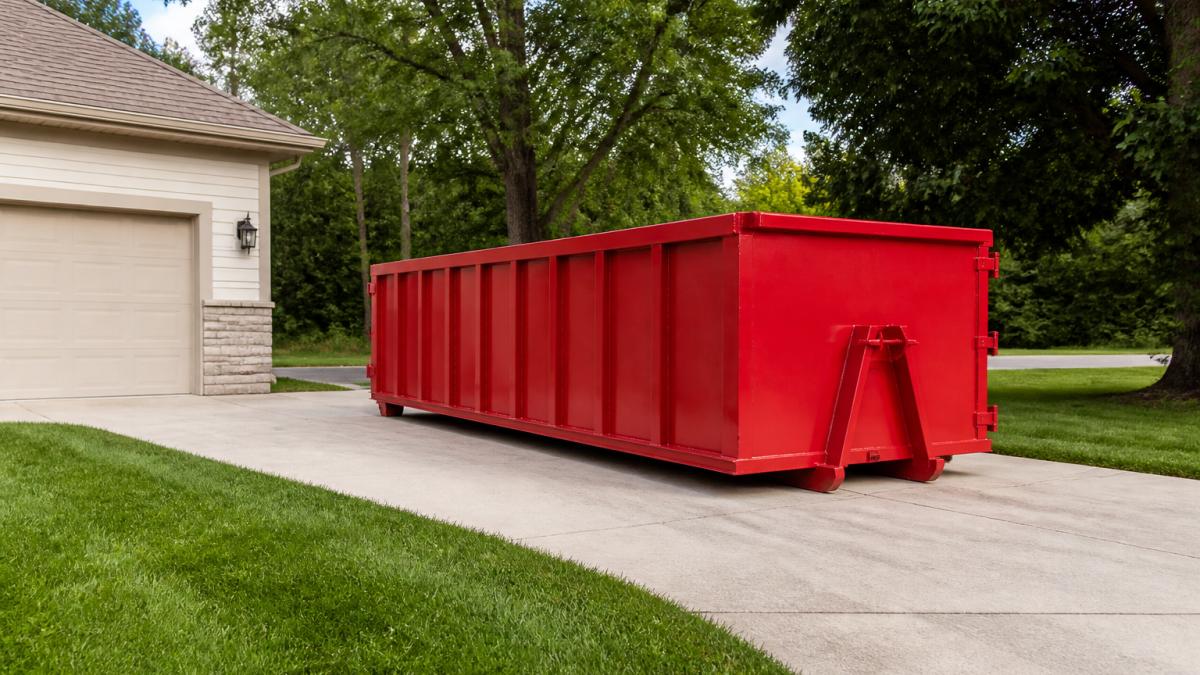
Ideally, your dumpster should sit on a flat, stable surface, a driveway or parking area works best. Avoid placing it on soft ground, grass, or gravel, where the weight can cause settling or damage.
Clear the space around the dumpster. You’ll need room for the truck to maneuver, and you need space to safely load debris without the container blocking walkways or emergency exits. A good rule: if the dumpster can be placed without blocking driveways, sidewalks, or utility access, you’re in the clear.
Some properties don’t have ideal placement options. If your driveway is too narrow, you might place the dumpster on the street (where permitted). If you’re in an apartment complex or commercial building, coordinate with management to find an appropriate location that doesn’t disrupt other tenants or operations.
Permits and Local Regulations
Street placement and certain property types may require a permit from your local municipality. Regulations vary by jurisdiction, so check with your city or county before finalizing your placement plan. Some areas require permits for any dumpster on a public street; others have specific rules about how long a dumpster can remain in place.
Austex Dumpsters can advise you on local requirements and help navigate the permitting process if needed. Our team understands the regulations in the areas we serve and can guide you toward compliance, saving you headaches and potential fines.
Understanding Rental Costs and Avoiding Overage Fees
Rental pricing depends on several factors: dumpster size, rental duration, materials being disposed of, and your location. Austex Dumpsters provides transparent pricing so you know what to expect before you commit.
The best way to avoid surprises is to be honest about your project scope when you request a quote.
One common source of extra charges is overfilling. A dumpster that’s packed beyond its safe capacity may incur overage fees.
Another cost consideration: the weight of your load. This is especially relevant for heavy materials like concrete and dirt, which is why the 15-yard dumpster is specifically designed for these loads.
Request an itemized quote from Austex Dumpsters that breaks down the base rental fee, any material-specific charges, and potential overage costs. Transparent pricing prevents misunderstandings and lets you budget accurately for your project.
Common Mistakes to Avoid When Renting a Roll-Off Dumpster
Learning from others’ mistakes saves time, money, and frustration. Here are the pitfalls that trip up most first-time renters.
Underestimating debris volume. This is the most common error. People assume their project will generate less waste than it actually does, then run out of space mid-project.
Ignoring placement constraints. Choosing a convenient spot without confirming it’s accessible to the delivery truck wastes everyone’s time. Confirm placement details with Austex Dumpsters before the truck arrives.
Waiting too long to schedule pickup. If you finish your project but delay calling for pickup, you’ll pay for additional rental days you don’t need. Schedule pickup as soon as you’re done loading.
Not asking about rental extensions. If you realize mid-project that you need more time, contact us immediately. Extensions are usually straightforward to arrange, and planning ahead beats scrambling at the last minute.
Frequently Asked Questions
How do I choose the right roll-off dumpster size for my project?
Start by estimating your debris volume. A 15-yard dumpster works well for smaller renovations and heavy materials like concrete or brick. Larger projects with general household waste fit better in a 20-yard, 25-yard, or 30-yard dumpster. If you’re unsure, describe your project to a rental specialist who can recommend the right capacity. It’s better to rent slightly larger than to run out of space midway through your project.
What materials can I put in a roll-off dumpster?
Most construction debris, household waste, and renovation materials are accepted, including drywall, wood, metal, roofing shingles, and appliances. Prohibited items include hazardous waste, paint, batteries, tires, and certain electronics. Always confirm what’s allowed with your rental provider before loading.
How long can I keep a rented roll-off dumpster?
Rental periods are flexible and depend on your project timeline. Most providers offer weekly rental options, with the ability to extend if needed. Discuss your expected duration when you request a quote so scheduling and pricing can be arranged accordingly. Same-day delivery may be available for projects with tight deadlines.
Do I need a permit to place a roll-off dumpster on my property?
Permit requirements vary by location and whether the dumpster sits on your private property or public right-of-way. Placement on your driveway typically doesn’t require a permit, but street placement often does. Check with your local code enforcement office or ask your rental provider about permit requirements for your specific address before scheduling delivery.
When you’re ready to rent a roll-off dumpster, Austex Dumpsters makes the process straightforward. We handle the logistics so you can focus on your project. Fill out a form to request a dumpster rental, and our team will guide you through sizing, scheduling, and delivery. With expert guidance on dumpster sizing, competitive pricing, and same-day delivery when available, we keep your project on schedule and your costs predictable.