
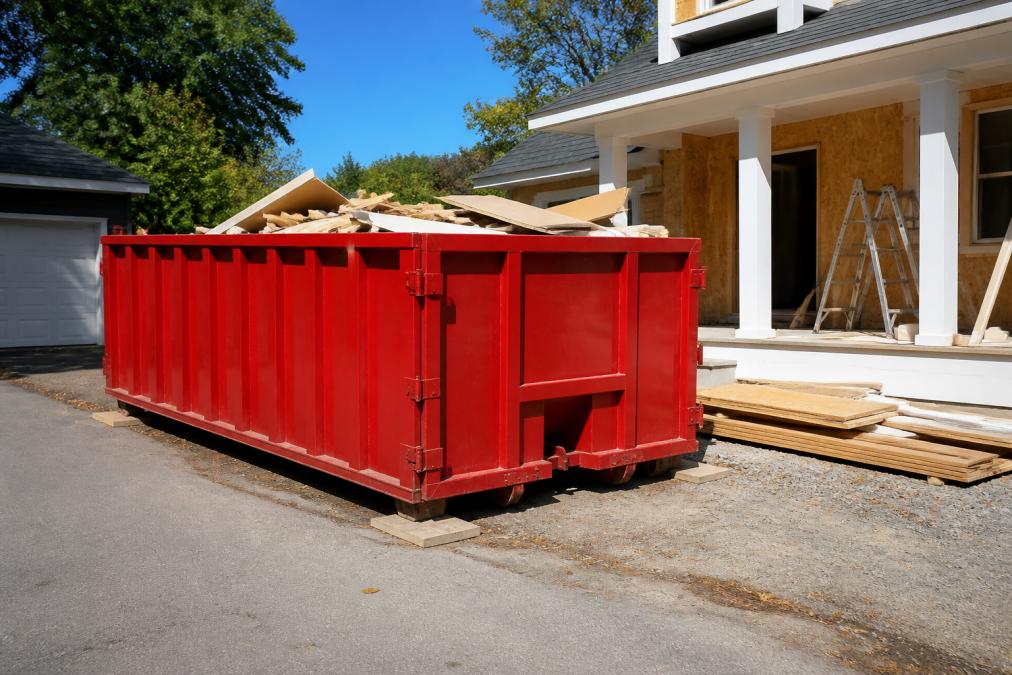
Table of Contents
- Why Dumpster Pickup Schedule Reliability Matters for Your Project
- Common Causes of Missed or Delayed Dumpster Pickups
- Dumpster Rental Weight Limits and Tonnage: What You Must Know
- How to Prepare for Dumpster Pickup So Nothing Goes Wrong
- Roll Off Dumpster Rental Comparison: What Separates Reliable Providers
- Smart Scheduling Strategies to Keep Your Pickup on Track
- Weather, Holidays, and Contingency Planning for Pickup Schedules
- Frequently Asked Questions
Last Updated: September 10, 2026
Why Dumpster Pickup Schedule Reliability Matters for Your Project
A reliable dumpster pickup schedule is the difference between a project that finishes on time and one that bleeds money while a full container sits in the driveway. At Austex Dumpsters, we’ve watched contractors and homeowners lose days because a hauler showed up late, skipped a pickup, or refused a load.
Most people treat a roll-off rental like a one-time purchase, book it, fill it, assume pickup happens on autopilot. Reliable haulers build schedules around route optimization and confirmed pickup windows; understand that system and you can plan around it.
This guide covers what causes missed pickups, how weight limits and tonnage rules affect your schedule, how to prepare, and the scheduling tactics that keep debris removal from becoming your bottleneck.
Common Causes of Missed or Delayed Dumpster Pickups
The most common causes of a missed collection are access problems, overloaded containers, and route conflicts, all preventable.
Access is the number one culprit. A parked car, locked gate, or low-hanging branch can force a driver to skip your stop, and a five-minute delay can cascade across an entire day.
Weight and prohibited materials come next. A container loaded past capacity, or holding banned items like tires, paint, or hazardous waste, gets rejected at the scale or landfill, and rescheduling rarely happens the same day.
Then there’s paperwork. An outdated address or changed gate code can stop the driver entirely, so confirm contact details and site instructions before the first pickup.
Ask your hauler for a confirmed pickup window, not just a date. A two-to-four-hour window lets you clear the driveway and unlock gates in time. “Sometime Tuesday” is how containers sit for an extra week.
Dumpster Rental Weight Limits and Tonnage: What You Must Know
Every roll-off container has a maximum weight limit separate from its volume. A 20-yard dumpster holds 20 cubic yards, but it cannot legally carry more tonnage than the truck and container are rated for; exceeding the limit triggers overage fees or a refused load.
Heavy materials change the math. Concrete, dirt, brick, and rock weigh far more per cubic yard than household clutter or yard waste, so large amounts of these heavy materials must go in a 15-yard dumpster, where the smaller volume keeps total weight within safe limits. Putting a load of concrete in a 20-, 25-, or 30-yard container can push it past its rated capacity.
For lighter debris like furniture, drywall, roofing shingles, and general renovation waste, the larger containers make sense, more volume without the weight risk.
The practical rule: match the container to the material, not just the pile size. If you’re unsure, describe what you’re throwing away when you book and a good hauler will steer you to the right size.
Weight limits, not volume, decide whether your load is accepted. Heavy material like concrete and dirt belongs in a 15-yard container. Light debris can go in a larger one.
| Material Type | Recommended Container | Why It Matters |
|---|---|---|
| Concrete, dirt, brick, rock | 15-yard | Keeps heavy loads within weight limits |
| Roofing shingles | 15-yard to 20-yard | Dense material adds up fast |
| Household clutter, furniture | 20-yard to 30-yard | Light, bulky items need volume |
| Yard waste, branches | 20-yard to 30-yard | Low weight, high volume |
| Mixed renovation debris | 20-yard to 25-yard | Balances weight and space |
One more benefit: when a 15-yard dumpster is filled with clean concrete, dirt, brick, or rock and nothing else, customers may receive a break on tonnage. Keeping heavy loads free of trash and contamination can reduce what you pay, ask before you start loading.
How to Prepare for Dumpster Pickup So Nothing Goes Wrong
Preparing for pickup means clearing the approach, leveling the load, and confirming details before the truck arrives. Do these three things and most missed pickups stop happening.
Walk your driveway the day before. Move vehicles and bins out of the path, trim branches below the truck’s clearance, and unlock and prop open any gate before the pickup window starts.
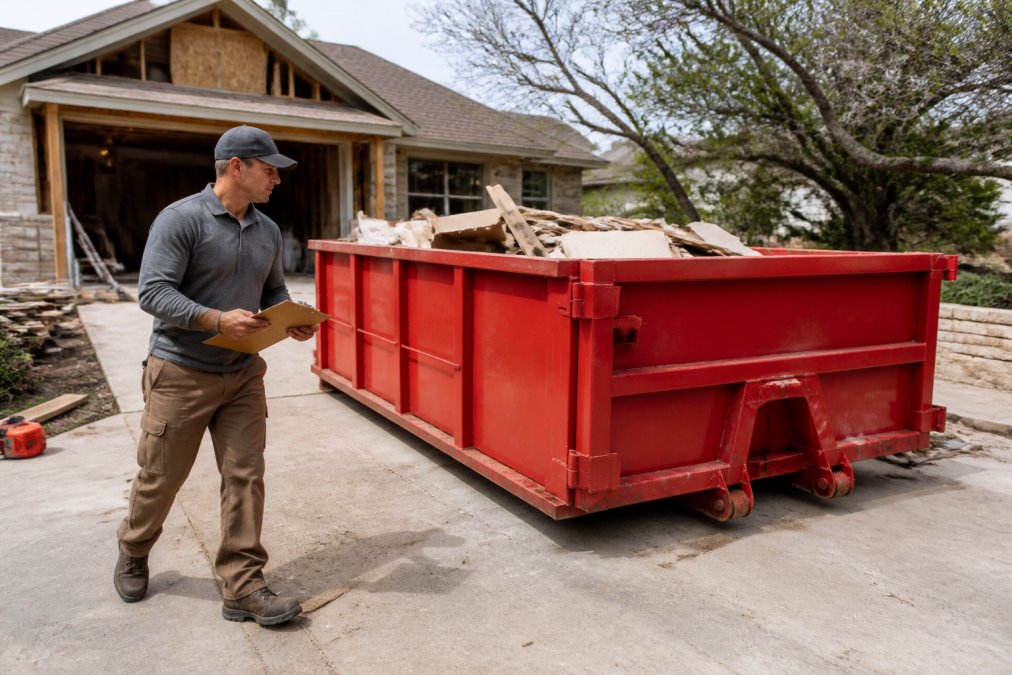
Next, check the load. Nothing should stick above the top rail, items piled higher can fall onto the road, and drivers will refuse an overfilled container. Break down large items, lay flat what you can, and distribute weight evenly.
Then confirm the logistics. Verify the pickup date, address, and access notes in your service agreement. If your timeline shifted, call before the scheduled day, not the morning of, a quick call lets the dispatcher adjust the route, while a last-minute change usually means waiting for the next slot.
- Clear the driveway and approach path
- Unlock gates and remove obstructions
- Trim low branches near the container
- Level the load below the top rail
- Remove prohibited materials
- Confirm pickup date and access notes
Roll Off Dumpster Rental Comparison: What Separates Reliable Providers
Reliable providers separate themselves through communication and contingency planning, not equipment. Containers look the same across companies; what differs is how quickly they confirm a pickup window, how clearly they explain weight limits and fees, and how they handle a schedule change or a problem after the truck leaves.
When you compare haulers, ask six questions:
- Do you confirm a pickup window, or just a day?
- How do you handle overage fees, and when am I told about them?
- Can you handle recurring pickups for multi-site work?
- What happens if my load is refused at the scale?
- How do you notify me if weather or a holiday shifts my pickup?
- What’s the process if the container damages my driveway or leaves debris behind?
The answers reveal everything. A provider that confirms windows, explains tonnage rules upfront, and offers recurring service is built for reliability; one that can’t answer clearly will leave you chasing updates.
Weather contingency planning is where most providers fall short. Heavy rain, ice, and high winds delay haulers for safety, and soft ground is a particular problem: a loaded truck can sink into a saturated lawn or unpaved driveway, so drivers may refuse to enter. Ask whether they’ll place the container on a paved surface or temporary mat during wet seasons, and how they communicate a weather delay.
Post-pickup verification closes the loop. After the container is hauled away, confirm the pickup happened and the area is clear. If a container is left behind or the truck cracked a driveway edge or scattered debris, you want a record the same day. A quick photo of the empty spot and a timestamped note document any dispute.
Fill Out Form to Request Dumpster Rental →
Match the provider to your role. Homeowners running a single cleanout need a confirmed window and clear sizing guidance. Contractors on demolition or roofing sites need recurring pickups and fast rescheduling. Property managers need a provider that tracks several containers on one schedule.
This is where a hauler’s operations show. Route optimization, automated alerts, and dedicated dispatch keep pickups moving, a provider with a real system will tell you exactly when the truck is coming, and tell you first when something changes.
According to the U.S. Environmental Protection Agency’s guidance on construction and demolition debris, proper handling and disposal of building materials is a core part of responsible waste management, which is why choosing a hauler that follows compliance standards matters for your project.
The Occupational Safety and Health Administration’s guidance on workplace safety reinforces why haulers won’t move overloaded or unstable containers: safety and compliance standards govern every load, and a refused pickup is often a safety decision, not a scheduling one.
Smart Scheduling Strategies to Keep Your Pickup on Track
Smart scheduling starts with booking the pickup before you need it, not after the container is full. Give your hauler at least a day’s notice for a standard pickup, more in busy seasons. The real reliability gains come from building a system around the schedule, not just remembering to call.
Match pickup frequency to your project phase. A demolition phase generates debris fast and may need a swap every few days; a finishing phase can stretch to a weekly or on-call pickup. Planning by phase prevents both overfilled containers and idle ones you’re still paying for. Schedule the first swap at about three-quarters full, then adjust the interval based on how fast that fill happened.
Automate your reminders instead of relying on memory. Set up automated alerts so the schedule checks itself. Two options:
- Calendar sync: When you book, ask your hauler to send the confirmed pickup window as a calendar invite (.ics file) or add it yourself with a 24-hour and a 2-hour reminder.
- IFTTT or native automation: If your hauler or municipality publishes a route or collection calendar, build an IFTTT applet or phone automation that pushes a notification the evening before collection day. For private haulers without a public feed, a recurring calendar event with a reminder is the reliable fallback.
Either way, the reminder fires whether or not you remembered to think about it.
Use cost-saving scheduling to avoid dry-run and overage charges. A ‘dry run’ happens when the truck arrives and the container isn’t ready or full enough to justify the trip. Frequent partial pickups and last-minute reschedules are where scheduling costs quietly add up. Two levers reduce them:
- Fill before you call. Combine loads so a container fills completely before pickup. Fewer, fuller pickups beat frequent partial ones.
- Batch heavy-material hauls. If you’re generating concrete, dirt, brick, or rock, time those loads together in a 15-yard container rather than spreading them across multiple pickups. Keeping that 15-yard load clean, no trash or other contamination mixed in, can also earn a break on tonnage, which is worth asking about before you start loading.
For multi-site work, set a standing schedule. Property managers and contractors running several locations can often set recurring pickups so no one calls for each container, removing an administrative task and cutting the risk of a missed collection.
Don’t wait until the container is overflowing to call for pickup. Once it’s overfilled, the driver can refuse the load, and you’ll pay for a return trip plus the delay. Schedule the swap when the container is about three-quarters full.
Ask your hauler whether they can send a text or email the day before pickup. A confirmed window plus an automated reminder is the single biggest reliability upgrade most projects can make.
Weather, Holidays, and Contingency Planning for Pickup Schedules
Weather and holidays disrupt pickup schedules more than any other factor, and both are predictable. Build a contingency plan and you won’t lose days when a storm or holiday shifts the route.
Heavy rain, ice, and high winds delay haulers for safety. Soft ground is a particular problem: a loaded truck can sink into a saturated lawn or unpaved driveway, so drivers may refuse to enter. If your container sits on grass or dirt, plan for a paved surface or temporary mat during wet seasons.
Holidays compress the workweek. When one falls on or near your pickup day, routes shift and volumes spike, so book earlier and confirm the adjusted date. A hauler with automated alerts will notify you when a holiday changes your collection day.
Post-pickup verification closes the loop. After the container is hauled away, confirm the pickup happened and check that the area is clear. If a container is left behind, you want to know the same day, not a week later. Automated alerts and a quick photo of the empty spot give you a record if a dispute ever comes up.
The Occupational Safety and Health Administration’s guidance on workplace safety reinforces why haulers won’t move overloaded or unstable containers: safety and compliance standards govern every load, and a refused pickup is often a safety decision, not a scheduling one.
A stalled dumpster can stall your entire project, and unreliable pickups cost you time you can’t get back. Austex Dumpsters keeps roll-off rentals on schedule with same-day delivery when available, expert sizing guidance so you book the right container the first time, and straightforward pricing that avoids surprise overage fees. Whether you’re a homeowner clearing out a renovation or a contractor managing multiple sites, our team handles the logistics so you can stay productive. Get started with Austex Dumpsters and keep your debris removal on track from delivery to final haul-away.
Frequently Asked Questions
What steps can I take to ensure my dumpster pickup is never missed?
Confirm your pickup window with the service provider at least 24 hours ahead, keep the container accessible with no vehicles or equipment blocking it, and make sure the load is level and within weight limits. Sign up for automated alerts if your provider offers them. On pickup day, verify the truck arrived and the container is gone. If you are coordinating with contractors, share the pickup date so no one parks in front of the dumpster or adds material after the cutoff.
What factors typically cause delays in dumpster pickup schedules?
The most common causes are overloaded containers that exceed weight limits, blocked access from parked cars or equipment, prohibited materials mixed into the load, and holiday route changes. Weather events like heavy rain or high winds can also push pickups back. In busy seasons, route congestion and limited truck availability add delays. Knowing these factors helps you prepare ahead and reduces the chance your dumpster sits longer than planned.
How do I coordinate dumpster swaps for large construction projects?
Schedule swaps at least two to three business days in advance and tie each swap to a project milestone, such as completing a roofing tearoff or framing phase. Tell your provider the expected volume and material type so they send the right truck. Keep a shared calendar with your crew so everyone knows when the full container leaves and the empty one arrives. Building a recurring pickup agreement with your provider is an easy way to avoid calling in each swap individually.
What are the best practices for preparing a site for dumpster removal?
Clear a straight path to the container, at least wide enough for the truck and free of low branches or wires. Remove locks, tarps, and any straps. Level the load and break down bulky items so they do not stick above the sides. For heavy materials like concrete, dirt, brick, or rock, use a 15-yard dumpster and keep the load clean to qualify for a possible tonnage break. Confirm the pickup window the day before and make sure no one adds material after that point.