
Table of Contents
- Why Rent a Dumpster for Your Home Cleanout
- Choosing the Right Dumpster Size for Home Cleanouts
- Understanding Dumpster Rental Weight Limits
- How to Prepare for Dumpster Delivery
- Prohibited Items in Roll-Off Dumpsters
- Permit Requirements and Local Regulations
- Step-by-Step Booking Checklist for Your Rental
- What to Expect on Delivery and Pickup Day
- Frequently Asked Questions
Last Updated: September 26, 2026
Why Rent a Dumpster for Your Home Cleanout
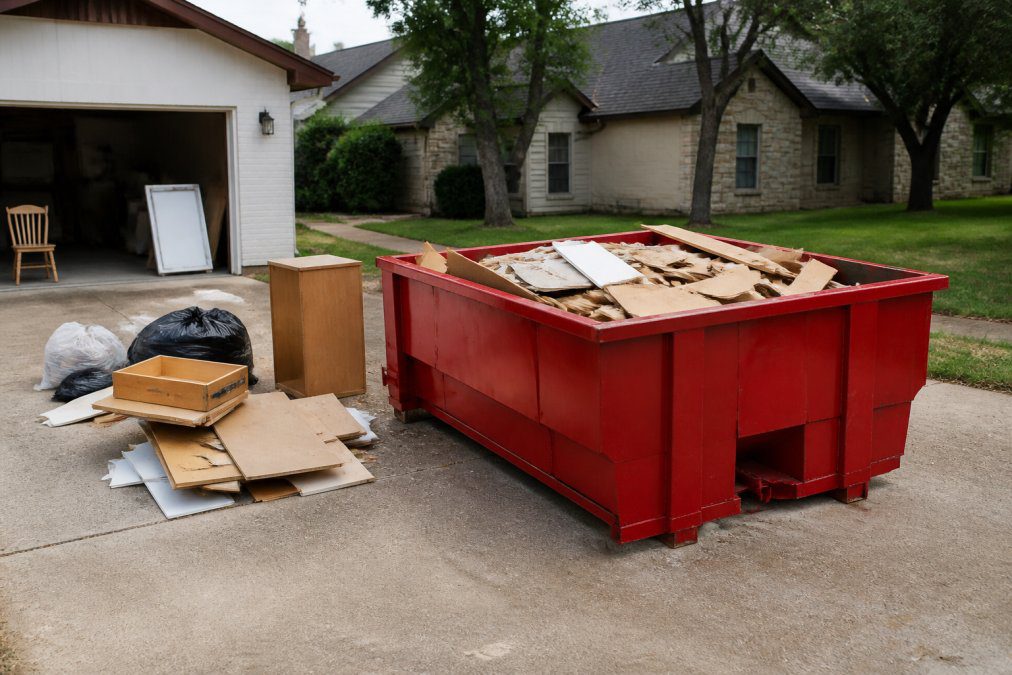
Learning how to rent a dumpster in Austin for home cleanout starts with understanding why you need one, a home cleanout generates massive amounts of waste fast. Renting a roll-off dumpster solves this problem, instead of making dozens of trips to the landfill, you load everything into one container and we haul it away. You avoid multiple trips, back injuries, vehicle wear, and being stuck with piles of junk after the work is done.
Most homeowners rent a dumpster thinking they’ll need it for one week but find they need it longer. Build flexibility into your rental timeline, it’s cheaper than rushing or paying for overage fees.
Choosing the Right Dumpster Size for Home Cleanouts
Picking the correct size is the most important decision when you rent a dumpster in Austin for home cleanout. Austex Dumpsters offers four sizes: 15-yard, 20-yard, 25-yard, and 30-yard. Understanding what each holds helps you avoid costly mistakes.
15-Yard Dumpsters
Use a 15-yard dumpster for general household junk, garage cleanouts, small renovation projects, and yard waste.
Important: A 15-yard dumpster is the only size for large amounts of heavy materials. If your cleanout includes concrete, dirt, brick, or rock, use a 15-yard dumpster. When filled with clean concrete, dirt, brick, or rock with no trash mixed in, you may receive a break on tonnage charges.
20-Yard Dumpsters
A 20-yard dumpster works well for full house cleanouts, combined garage and attic cleanouts, medium renovation projects, and estate sales cleanup. Most homeowners find this is the sweet spot for typical home cleanouts.
25-Yard and 30-Yard Dumpsters
The 25-yard and 30-yard dumpsters work for major renovations, multi-room cleanouts, commercial property cleanouts, and large construction debris projects.
Overloading a dumpster beyond its weight limit triggers overage fees. Knowing your dumpster size helps you estimate weight accurately and avoid surprises.
Understanding Dumpster Rental Weight Limits
Every dumpster has a weight limit. Exceeding it triggers overage fees. Understanding these limits prevents bill shock.
How Weight Limits Work
Weight limits are set per dumpster size and are separate from volume capacity. Light materials like clothing and cardboard weigh little; medium materials like furniture and drywall add moderate weight; heavy materials like concrete, dirt, brick, and rock add weight extremely fast.
Weight Limits by Dumpster Size
When you describe your cleanout, ask: “What is the weight limit for this load, and what happens if I exceed it?” Having this conversation upfront prevents surprises.
Overage Fees and Hidden Costs
Beyond the base rental price, several fees can increase your total cost: overage/tonnage fees (if your load exceeds the weight limit), fuel surcharges, environmental fees, late fees (if you keep the dumpster beyond your rental period), and same-day delivery fees. Ask which fees are included in your quote and which are separate.
Estimating Your Weight Accurately
To avoid overage fees: list what you’re throwing away, quantify heavy items, and describe your debris to Austex Dumpsters so our team can help estimate whether your load fits within the weight allowance. Underestimating weight is the #1 reason homeowners face overage charges.
What Happens If You Exceed the Limit
If your load exceeds the weight limit, you may be charged overage fees at the landfill. If you realize mid-project you’re approaching the limit, contact Austex Dumpsters immediately, it’s often cheaper to arrange a second dumpster or extend your rental than to pay overage fees.
Key Takeaway
Weight limits are the hidden cost most homeowners overlook. Ask three questions when you book: (1) What is my weight allowance? (2) What happens if I exceed it and what does it cost? (3) Are there any other fees I should know about beyond the base rental price? Getting clear answers upfront prevents bill shock and keeps your cleanout on budget.
How to Prepare for Dumpster Delivery
Preparation makes delivery day smooth. A few simple steps prevent delays and keep your project on track.
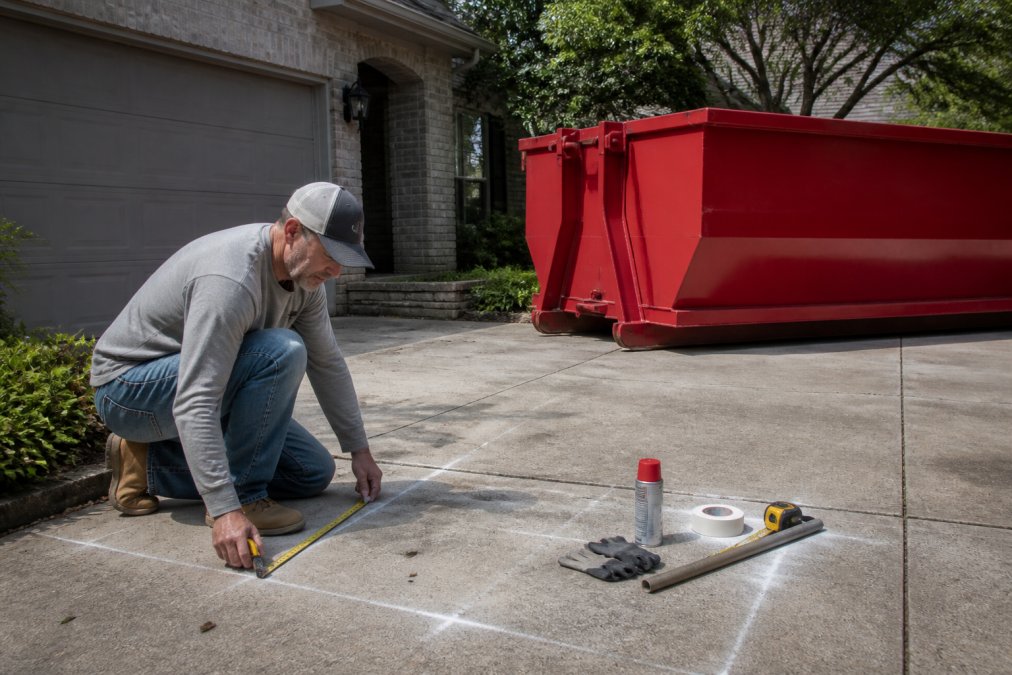
Before your dumpster arrives, clear the delivery area of parked cars, bikes, and obstacles. The driver needs a flat, level spot with clearance on both sides. Mark the placement area with tape or chalk.
Check for overhead obstacles like power lines, tree branches, and roof overhangs. The truck needs vertical clearance to position the container safely.
Notify neighbors if your driveway is shared or if the dumpster will be near their property. Most issues during delivery come from surprised neighbors, not the dumpster itself.
Prohibited Items in Roll-Off Dumpsters
Some materials cannot go in a dumpster. Knowing these restrictions prevents problems and keeps disposal safe.
Fill Out Form to Request Dumpster Rental →
Never put these items in a roll-off dumpster:
- Hazardous materials (paint, chemicals, batteries, propane tanks)
- Appliances with refrigerant (refrigerators, air conditioners, freezers)
- Tires
- Electronics (TVs, computers, monitors)
- Asbestos or materials containing asbestos
- Liquids of any kind
- Propane or gas cylinders
- Medical waste or sharps
- Radioactive materials
Putting prohibited items in a dumpster can result in refused pickup or additional disposal fees. Always confirm what’s allowed before loading.
Permit Requirements and Local Regulations
Permit requirements vary depending on where you place your dumpster. Understanding local rules before you rent prevents fines, project delays, and conflicts with city inspectors.
When You Don’t Need a Permit
In most cases, placing a dumpster entirely on your private property, such as your driveway or backyard, does not require a permit. The key is that the dumpster must not encroach on public right-of-way or block public access.
When You Do Need a Permit
A permit becomes necessary when the dumpster placement involves public property or shared access:
- Street or curb placement, Any portion of the dumpster on the street or curb requires a permit
- Public alley access, If the dumpster blocks or partially occupies an alley, you need authorization
- Shared driveway with city easement, Some properties have easements that give the city rights to the space; placement there requires a permit
- Sidewalk encroachment, If the dumpster extends onto or blocks a sidewalk, a permit is required
- HOA-governed communities, Many homeowners associations require approval before dumpster placement, separate from city permits
Austin-Specific Guidance
For properties within city limits, contact the relevant city department or check the city’s online permitting portal for your specific address and zoning.
The Permit Process
If a permit is required, the process is straightforward:
- Gather information, Have your address, project description, dumpster size, and planned placement location ready
- Submit application, File online through the city’s permitting portal or in person at the Development Services office
- Wait for approval, Processing typically takes 3-5 business days, though expedited options may be available
- Display permit, Once approved, display the permit number or documentation as instructed
- Proceed with rental, Schedule your dumpster delivery after permit approval
Permit costs are modest and vary by location, but budget for a small fee if required.
Working with Austex Dumpsters
When you contact Austex Dumpsters, provide your full address and describe whether the dumpster will sit on private property only or if any portion will be on public property or a shared area. Our team can advise whether your situation likely requires a permit. However, the final responsibility for confirming permit requirements rests with you, when in doubt, contact your city or county office directly before booking.
Step-by-Step Booking Checklist for Your Rental
Booking a dumpster rental is simple when you follow these steps. Use this checklist to make sure you cover everything.
Before you call:
- Measure your driveway or placement area (width, length, height clearance)
- List the types of debris you’re disposing of (furniture, appliances, general junk, etc.)
- Note any heavy materials (concrete, dirt, brick, rock)
- Check for overhead obstacles (power lines, branches, roof)
- Identify your preferred delivery date and time window
- Confirm whether you need a permit for your location
When you contact Austex Dumpsters:
- Describe your project and debris type
- Confirm your address and whether placement is on private or public property
- Discuss dumpster size options based on your needs
- Ask about weight limits and what happens if you exceed them
- Confirm delivery date, time, and any same-day options
- Ask about rental duration and how to arrange pickup
- Clarify what items are prohibited for your project
- Get pricing details and confirm there are no hidden fees
After booking:
- Clear your driveway or placement area
- Remove obstacles and mark the placement spot
- Notify neighbors if needed
- Prepare a loading plan for your items
- Have a contact number for the driver in case of delays
What to Expect on Delivery and Pickup Day
Knowing what happens on delivery day reduces stress. The process is straightforward once you understand the routine.
Frequently Asked Questions
What size dumpster do I need for a whole house cleanout?
Size depends on the volume and weight of debris. A 15-yard dumpster works for light household items and general debris from smaller cleanouts. For major home cleanouts with furniture, appliances, and mixed materials, a 20-yard or 25-yard dumpster is typical. If you’re uncertain, describe your project details when requesting a quote, the team can recommend the right size based on your specific needs.
Do I need a permit to place a dumpster on my property?
Permit requirements vary by location within the Austin area. If your dumpster stays on your private driveway, you typically don’t need a permit. However, if placement extends into a public street, alley, or right-of-way, a permit is usually required. Check with your local city or county code office before scheduling delivery, or ask your rental provider about permit requirements for your address.
What items are prohibited from being placed in a roll-off dumpster?
Hazardous materials like paint, chemicals, batteries, refrigerants, and electronics are prohibited. Tires, propane tanks, and medical waste are also restricted. Some providers limit certain heavy materials to specific dumpster sizes. Always confirm what you can dispose of before filling your dumpster. If you’re unsure whether an item is allowed, contact your rental provider with a description.
Can I get same-day dumpster delivery in Austin?
Same-day delivery is often available depending on current demand and your location within the service area. Booking early in the week and scheduling for a weekday typically improves availability. Contact your rental provider as soon as you know your project timeline to confirm same-day options and reserve your dumpster before your preferred delivery date.