
Table of Contents
- Understanding Common Hidden Dumpster Rental Fees
- Dumpster Rental Weight Limits and Overweight Charges
- Prohibited Items in Dumpsters: What You Cannot Dispose Of
- Dumpster Rental Permit Requirements and Associated Costs
- Clean Concrete Dumpster Disposal and Tonnage Breaks
- How to Estimate Dumpster Size and Avoid Overage Fees
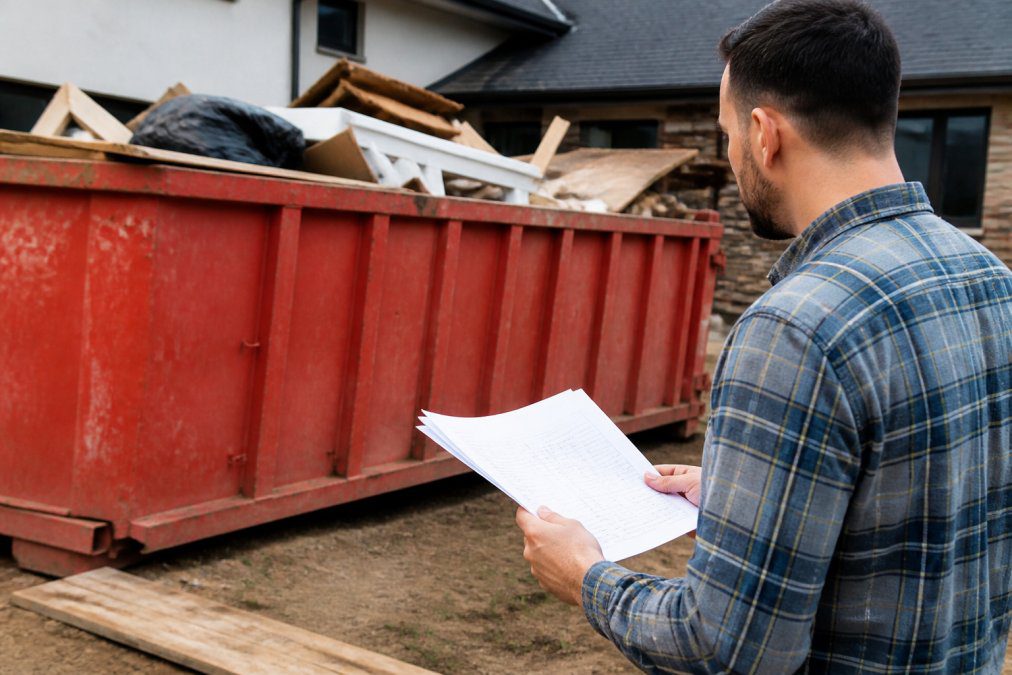
- Your Checklist: Review Your Rental Agreement Before Pickup
- Conclusion
Last Updated: August 28, 2026
Understanding Common Hidden Dumpster Rental Fees
Hidden dumpster rental fees are charges that appear on your final invoice without clear upfront disclosure. When renting a roll-off dumpster, these surprise costs can significantly increase your project budget. At Austex Dumpsters, we believe transparency is essential, understanding what fees might apply helps you plan accurately and avoid sticker shock when the bill arrives.
The most common hidden fees fall into several categories: overweight charges when your debris exceeds the tonnage allowance, tipping fees assessed at the disposal facility, permit costs for placing the dumpster on public property, environmental surcharges, and extra-day rental penalties. Each of these can add substantial amounts to your rental cost, particularly if you’re unprepared for them.
The key to avoiding these charges is asking the right questions upfront and reading your rental agreement carefully before signing. Most reputable waste management companies disclose all fees in writing, but the language can be dense and easy to overlook. By understanding what to look for and how these fees work, you can make informed decisions about dumpster sizing, load composition, and rental duration.
Dumpster Rental Weight Limits and Overweight Charges
Every roll-off dumpster rental comes with a tonnage allowance, the maximum weight your dumpster can hold before overweight charges apply. This limit varies by dumpster size and rental company, but understanding your specific allowance is critical to avoiding unexpected fees.
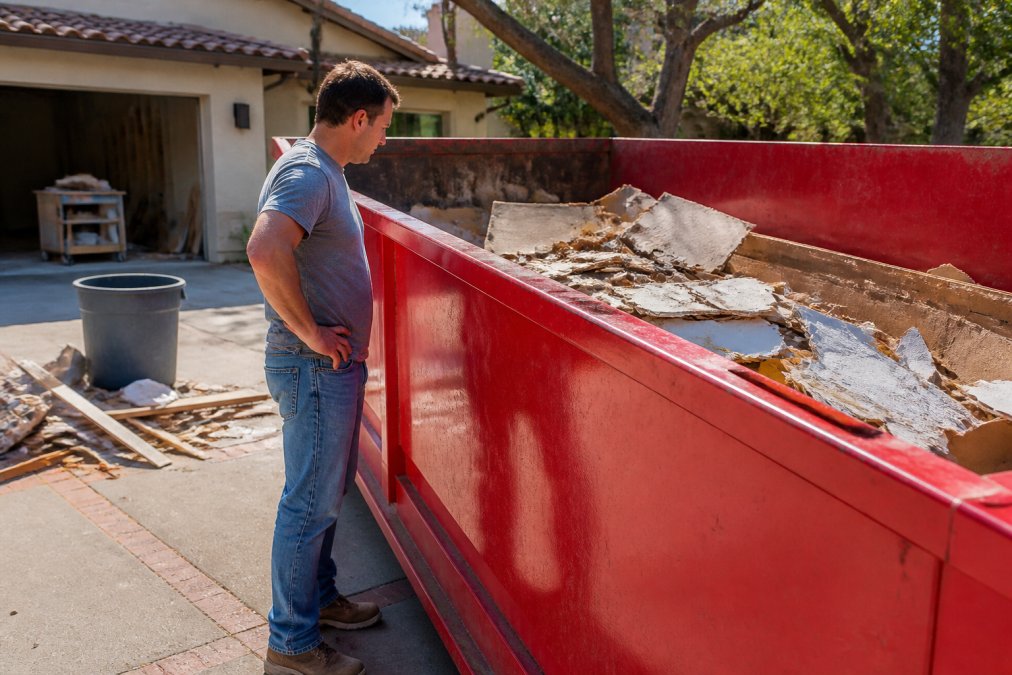
Overweight charges occur when the total weight of your debris exceeds what’s included in your rental. When your dumpster is delivered to the disposal facility, it’s weighed on a truck scale. If the weight surpasses your allowance, you’ll be charged an additional fee per ton. These per-ton charges can range significantly depending on the facility and material type, making it one of the most expensive hidden fees to encounter.
The challenge is that many materials weigh far more than homeowners anticipate. Concrete, dirt, brick, and rock are particularly dense. A single cubic yard of concrete weighs roughly 1.5 tons, meaning even a partially filled dumpster can quickly exceed weight limits if you’re disposing of these materials (peer-reviewed research). For this reason, heavy materials require careful planning and often benefit from dedicated dumpster sizing.
When dealing with large quantities of heavy materials like concrete, dirt, brick, or rock, consider whether a [15-yard dumpster dedicated to these items](/15-yd-dumpster-rentals/) makes sense for your project. Clean concrete, dirt, brick, or rock disposed of without contamination may qualify for a tonnage break, reducing your overall disposal costs.
To avoid overweight charges, ask your rental company for the exact tonnage allowance included with your dumpster size. Request an estimate of how much your anticipated debris will weigh. If you’re uncertain about material weight, err on the side of caution, it’s better to rent a larger dumpster or schedule a second pickup than to face substantial overweight fees.
Prohibited Items in Dumpsters: What You Cannot Dispose Of
Not all debris can go into a standard roll-off dumpster. Prohibited items are materials that cannot legally be disposed of in municipal landfills due to environmental or safety regulations. Attempting to dispose of these materials in your rental dumpster can result in significant fees, project delays, and potential legal consequences.
Common prohibited materials include hazardous waste such as paint, solvents, batteries, oils, asbestos, and fluorescent bulbs (the EPA). Electronics, appliances containing refrigerants, tires, and yard waste are often restricted or require separate disposal arrangements. Some companies also prohibit certain construction debris like treated wood or materials contaminated with hazardous substances.
When prohibited items are discovered during unloading at the disposal facility, the waste management company faces a choice: remove the items and charge you a substantial fee, or refuse the entire load. Either scenario disrupts your project timeline and increases costs. The disposal facility itself may levy fines on the waste company, which gets passed directly to you.
Before finalizing your rental, provide your waste management company with a detailed list of what you’ll be disposing of. Ask them to confirm which items are prohibited and which require special handling. This conversation prevents costly surprises and ensures your project stays on schedule.
Hazardous materials like paint, solvents, and batteries cannot go into standard dumpsters. Mixing prohibited items with general debris can result in the entire load being rejected at the disposal facility, forcing you to arrange emergency disposal and potentially paying rejection fees.
Dumpster Rental Permit Requirements and Associated Costs
When placing a roll-off dumpster on public property, such as a street, sidewalk, or public right-of-way, you typically need a permit. Permit requirements vary by jurisdiction, but the cost of obtaining one is a hidden fee many people don’t anticipate.
Permit fees cover the administrative cost of issuing the permit and the city or county’s oversight of temporary structures on public land. These fees can range from modest amounts to several hundred dollars depending on your location and how long the dumpster sits on public property. Some jurisdictions charge a flat fee; others charge based on the number of days the dumpster occupies the space.
The responsibility for obtaining the permit can fall on either the homeowner or the waste management company, depending on your agreement. If it’s your responsibility and you fail to obtain one, you could face citations or fines from the city. If the waste management company obtains it on your behalf, they’ll typically add the cost to your invoice.
When requesting a dumpster, ask whether your placement location requires a permit. If it does, clarify who’s responsible for obtaining it and confirm the cost upfront. Some waste management companies include permit costs in their quoted price; others add them as a separate line item. Understanding this distinction prevents invoice surprises.
Placing a dumpster on public property almost always requires a permit. Confirm permit requirements and costs before your dumpster is delivered to avoid delays and unexpected fees.
Clean Concrete Dumpster Disposal and Tonnage Breaks
Heavy materials like concrete, dirt, brick, and rock require special consideration during dumpster rental. These materials are significantly denser than general debris, which means they consume your tonnage allowance quickly. However, there’s an important advantage: clean concrete, dirt, brick, or rock disposed of without contamination may qualify for a tonnage break.
A tonnage break is a reduction in disposal fees when your load meets specific criteria (swana.org). For concrete and similar materials, the break typically applies when the debris is clean, meaning it contains no trash, soil, vegetation, or other contaminants mixed in. This distinction matters because clean materials are easier and less expensive for disposal facilities to process.
When you’re disposing of large quantities of concrete from a driveway removal, brick from a chimney teardown, or rock from landscaping work, asking about tonnage breaks can meaningfully reduce your final bill. The savings come from the facility’s reduced processing costs, which get passed along to you.
To qualify for a tonnage break, keep your heavy materials separate from other debris. Don’t mix concrete with drywall, wood, or general trash. When the dumpster arrives at the facility, clean materials are identified and processed differently, potentially triggering the break in your favor.
Austex Dumpsters can advise you on whether your specific debris qualifies for a tonnage break and help you structure your disposal accordingly. Asking about this benefit during your initial consultation ensures you capture savings you might otherwise miss.
How to Estimate Dumpster Size and Avoid Overage Fees
Selecting the right dumpster size is one of the most effective ways to avoid hidden fees. Too small, and you’ll need a second dumpster or face overweight charges. Too large, and you’ve paid for capacity you didn’t use. The goal is matching your actual debris volume and weight to the appropriate container.
Start by estimating the volume of debris your project will generate. Walk through the area being cleaned out or demolished and visualize how much material you’ll remove. For renovations, consider what’s being torn out: flooring, cabinets, drywall, fixtures. For cleanouts, think about furniture, boxes, and accumulated items. For construction or demolition, account for all materials being removed.
Austex Dumpsters offers 15-yard, 20-yard, 25-yard, and 30-yard roll-off dumpsters. A 15-yard dumpster can be used for general debris, but large amounts of heavy material such as concrete, dirt, brick, or rock MUST go in a 15-yard dumpster. The 20-yard, 25-yard, and 30-yard sizes serve medium to larger projects.

When estimating, remember that weight matters as much as volume. General debris, drywall, wood, carpet, is relatively light. Heavy materials like concrete, brick, dirt, and rock consume your tonnage allowance rapidly. If your project involves significant quantities of heavy materials, you may need a dedicated 15-yard container for those items, even if the volume seems manageable.
Request a consultation with Austex Dumpsters to discuss your specific project. Describe what you’re disposing of, provide approximate quantities, and ask for a size recommendation. Most waste management companies offer guidance at no charge and can alert you to potential weight issues before they become costly problems.
When estimating debris volume, overestimate slightly rather than underestimate. The cost of renting a dumpster one size larger is typically much less than the fees for a second pickup or overweight charges from underestimating your needs.
Your Checklist: Review Your Rental Agreement Before Pickup
The rental agreement is the contract governing your dumpster rental. It specifies what’s included in your rental price, what fees apply, weight limits, prohibited items, rental duration, and your responsibilities. Reading this document carefully before signing is your best defense against hidden dumpster rental fees.
Many people skip this step, assuming the agreement is standard boilerplate. In reality, terms vary significantly between waste management companies. One company might include a certain tonnage allowance; another might charge per ton from the start. One might include a free extra day; another might charge daily penalties.
Here’s what to look for in your rental agreement:
- Tonnage allowance: Confirm the exact weight included in your rental and the per-ton charge for overweight debris
- Rental period: Understand how many days are included and what extra-day charges apply
- Prohibited items: Review the complete list of materials you cannot dispose of
- Fees and surcharges: Identify all fees beyond the base rental price, including tipping fees, environmental surcharges, and permit costs
- Pickup schedule: Confirm the delivery date, time window, and pickup date to avoid extra-day penalties
- Damage and responsibility: Understand your liability if the dumpster is damaged during your rental or if debris falls out
- Cancellation policy: Know the terms if you need to cancel or reschedule
Ask questions about anything unclear. If a fee is mentioned but not explained, request clarification. If the agreement references fees that aren’t defined, ask for specifics. This conversation happens before you sign, giving you the chance to negotiate terms or choose a different company if the terms don’t work for your project.
| Rental Agreement Section | What to Verify | Why It Matters |
|---|---|---|
| Tonnage Allowance | Exact weight included and per-ton overage cost | Prevents surprise overweight charges |
| Rental Period | Number of days included and extra-day penalties | Clarifies true rental duration and costs |
| Prohibited Items | Complete list of materials you cannot dispose of | Avoids load rejection and associated fees |
| All Fees | Itemized list of tipping, environmental, and permit fees | Ensures no surprise charges on final invoice |
| Pickup Schedule | Confirmed delivery and pickup dates and times | Prevents extra-day charges from miscommunication |
| Damage Liability | Your responsibility if dumpster is damaged | Protects you from unexpected damage claims |
Before your dumpster arrives, make sure you have a signed copy of the agreement with all terms clearly stated. Keep this document accessible throughout your rental period. If questions arise during your project, reference the agreement to confirm what was agreed upon.
Conclusion
Avoiding hidden dumpster rental fees requires upfront planning, clear communication, and careful attention to your rental agreement. Understanding weight limits, prohibited items, permit requirements, and fee structures puts you in control of your project budget and timeline.
Austex Dumpsters helps you navigate these considerations with expert guidance on sizing, transparent fee disclosure, and straightforward rental terms. When you’re ready to rent a roll-off dumpster, our team provides consultation on the right container size for your debris, explains all associated fees upfront, and ensures your rental agreement is clear before pickup. Fill out a form to request dumpster rental and get started with a waste management partner committed to keeping your project on schedule without surprise costs.
Frequently Asked Questions
What are the most common hidden fees in dumpster rentals?
The most common hidden fees include overweight charges when your load exceeds the tonnage allowance, extra-day penalties if you keep the dumpster longer than the rental period, environmental surcharges for disposal at the landfill, permit fees if the dumpster sits on public property, and dry run fees if the driver cannot access your location. Always request a detailed breakdown of all fees before signing your rental agreement to avoid surprises.
How can I avoid overage charges when renting a dumpster?
Accurately estimate your debris volume before selecting a dumpster size. For heavy materials like concrete, dirt, brick, or rock, a 15-yard dumpster is the appropriate choice and offers better weight management. Load your debris evenly and level with the fill line rather than overstuffing. Review your rental agreement's weight limit and tonnage allowance upfront. If you're uncertain about your volume, ask your rental provider for guidance, Austex Dumpsters offers expert sizing advice to help you choose correctly the first time.
Do I need a permit for a dumpster rental on my property?
Permit requirements depend on where the dumpster will be placed. If it sits entirely on your private property, you typically do not need a permit. However, if any part of the dumpster extends onto public streets, sidewalks, or right-of-way areas, most municipalities require a permit. Contact your local city or county permitting office to confirm requirements for your address. Some rental providers handle permit applications for you, but the cost is usually passed to the customer.
What materials are prohibited in standard roll-off dumpsters?
Hazardous materials are prohibited in all standard dumpsters, including paint, solvents, batteries, fluorescent bulbs, appliances with refrigerant, asbestos, and pesticides. Electronics, tires, and yard waste may have restrictions depending on your provider and local regulations. Always disclose the contents of your load to your rental provider before delivery. If you have materials you're unsure about, ask, Austex Dumpsters can clarify what is acceptable and help you arrange proper disposal for prohibited items.
When you’re planning a major project cleanup or construction site, the last thing you need is unexpected fees derailing your budget. Austex Dumpsters removes that uncertainty with same-day delivery options, expert sizing guidance, and competitive, transparent pricing. Contact us today to discuss your project and get a clear, fee-free estimate for your dumpster rental needs.
This article was written using GrandRanker