
Table of Contents
- Dumpster Sizing for Contractors: Finding Your Perfect Fit
- Heavy Material Disposal Requirements for Construction Sites
- Roll-Off Dumpster Comparison Table
- Job Site Waste Management Best Practices
- Why Austex Dumpsters Stands Out for Contractors
- Common Contractor Questions About Roll-Off Dumpster Selection
- How to Request Your Roll-Off Dumpster Rental
- Conclusion
Last Updated: August 25, 2026
Dumpster Sizing for Contractors: Finding Your Perfect Fit
Picking the wrong dumpster size costs contractors time, money, and credibility on the job site. The best roll-off dumpster for contractors isn’t always the biggest option, it’s the one that matches your actual debris volume and material type without forcing you to pay for unused capacity or scramble for a second haul mid-project.
Austex Dumpsters has worked with contractors across residential renovations, commercial demolitions, and landscaping operations. Contractors who get sizing right avoid two costly mistakes: renting too small and needing emergency pickups, or renting too large and eating unnecessary overhead. Below, we’ll walk you through how to match your project to the right dumpster size, what materials go where, and why material type matters as much as volume.
15-Yard Dumpster for Heavy Materials
The 15-yard dumpster is purpose-built for heavy materials. Concrete, dirt, brick, and rock belong in this size and this size only. Heavy materials compress differently than standard construction waste and weigh substantially more than drywall scraps or roofing debris. The hydraulic system and frame are engineered for this load profile. Putting heavy materials in a 20-yard, 25-yard, or 30-yard dumpster violates weight distribution and can damage the equipment.
For contractors managing demolition work, foundation removal, or site excavation, the 15-yard is your standard. A typical residential concrete pad tearout, brick wall demolition, or significant dirt excavation fits cleanly into one 15-yard rental.
One often-overlooked benefit: when your 15-yard dumpster contains clean concrete, dirt, brick, or rock with no trash or contamination mixed in, you may receive a break on tonnage. This can meaningfully reduce your disposal costs on heavy-material-only jobs.
On demolition sites, segregate heavy materials before loading. Set up a staging area for concrete and brick separate from general debris. This prevents contamination and qualifies you for tonnage breaks when the dumpster is picked up.
20-Yard Dumpster for Medium Projects
The 20-yard dumpster is the workhorse for most contractors. It handles kitchen and bathroom remodels, roof tearoffs with mixed debris, garage cleanouts, and mid-size commercial office renovations. This size balances capacity with maneuverability and fits into tighter residential driveways better than larger options.
Use the 20-yard when your project generates mixed construction waste: drywall, wood framing, roofing shingles, insulation, fixtures, and general demolition debris. It’s not designed for heavy materials like concrete or brick in large quantities, if your project involves significant foundation work or masonry demolition, use the 15-yard for those specific materials.
The 20-yard typically handles a full kitchen remodel, a complete roof tearoff with substrate removal, or a residential addition demolition. For roofing contractors, this is the standard size for residential tear-offs.
The 20-yard is the most popular size for residential and light commercial work because it delivers capacity without requiring extra site space or paying for unused volume.
25-Yard and 30-Yard Dumpsters for Large-Scale Work
The 25-yard and 30-yard dumpsters are for projects where volume is the limiting factor. Major home additions, estate cleanouts, significant commercial renovations, and new construction debris all fit here. These sizes handle accumulated waste from jobs that run weeks rather than days.
The 25-yard sits between the 20 and 30, offering a middle ground for contractors uncertain whether they need maximum capacity. Use it for large residential remodels spanning multiple rooms, significant landscaping debris removal, or commercial office cleanouts.
The 30-yard is your maximum capacity option. New construction projects, major commercial demolitions, and extensive landscaping operations use this size. Neither the 25-yard nor the 30-yard is suitable for large quantities of heavy materials like concrete, dirt, brick, or rock. If your project involves significant demolition of concrete structures or extensive excavation, you’ll need the 15-yard for those specific loads, potentially in addition to a 20, 25, or 30-yard for other debris.
Heavy Material Disposal Requirements for Construction Sites
Heavy material disposal is where many contractors get burned. Concrete, dirt, brick, and rock require specific handling because they’re dense, they compress unpredictably, and they exceed weight limits in standard dumpster sizes.
When you load concrete chunks, bricks, or excavated dirt into a dumpster, you’re paying for weight, not volume. A cubic yard of concrete weighs roughly 1.5 tons (peer-reviewed research). A cubic yard of compacted dirt weighs around 1.3 tons. A standard 20-yard dumpster has a weight capacity that gets consumed quickly by these materials. Load a 20-yard with concrete or brick, and you’ll hit the weight limit before the container is visibly full.
The 15-yard dumpster is engineered for this load profile. Its frame, axles, and hydraulic system are rated for the density and weight of heavy materials. If your project involves foundation removal, concrete pad tearout, brick demolition, or significant excavation, plan for a 15-yard dedicated to those materials. Don’t try to fit heavy materials into a larger dumpster, you’ll either exceed weight limits and face overage charges, or you’ll compromise the equipment.
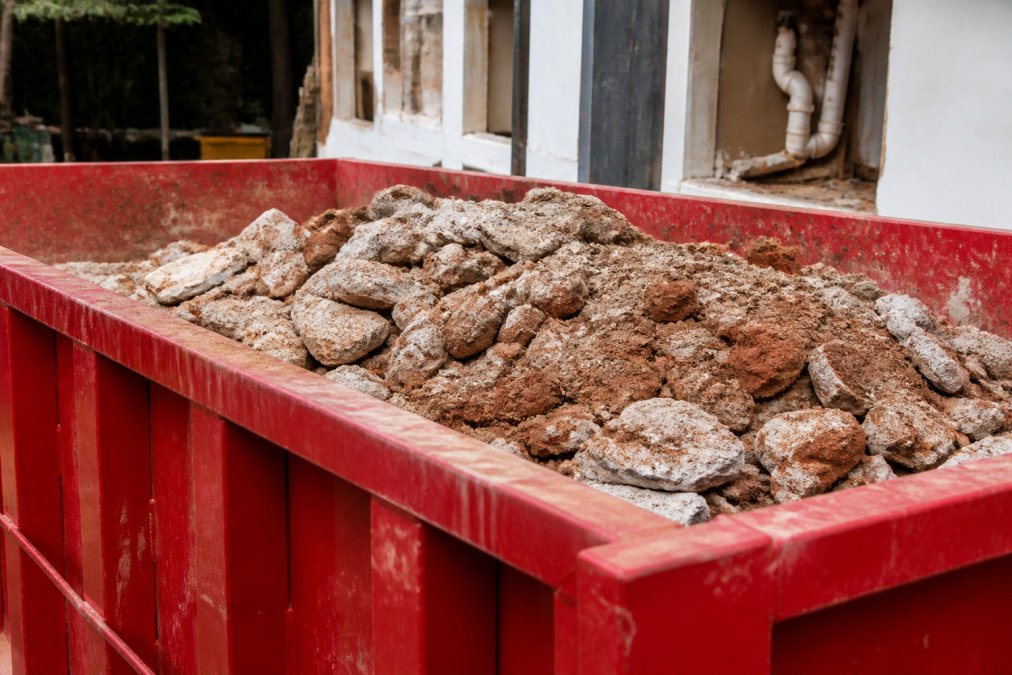
Never mix heavy materials with general construction waste in a standard dumpster. A 20-yard filled halfway with concrete is already at or over weight limit. Mixing materials makes it impossible to predict when you’ll exceed capacity, and surprise overage fees can derail your job profitability.
Roll-Off Dumpster Comparison Table
| Dumpster Size | Best For | Material Type | Typical Projects | Key Limitation |
|---|---|---|---|---|
| 15-Yard | Heavy materials | Concrete, dirt, brick, rock | Demolition, excavation, foundation removal | Not for general construction waste |
| 20-Yard | Medium projects | Mixed construction debris | Kitchen remodels, roof tearoffs, renovations | Not for large quantities of heavy materials |
| 25-Yard | Large projects | Mixed construction debris | Estate cleanouts, major renovations, commercial work | Not for heavy materials; requires more site space |
| 30-Yard | Extensive projects | Mixed construction debris | New construction, major demolitions, large landscaping | Maximum size; not for heavy materials |
Job Site Waste Management Best Practices
Effective waste management keeps your site organized, prevents project delays, and protects your margins. Start by staging materials before loading. Separate heavy materials from general debris and set up a designated area where concrete, brick, and dirt accumulate before being loaded into the 15-yard. This prevents contamination and qualifies you for tonnage breaks.
Establish a loading protocol with your crew. Position the dumpster for easy access, close enough that workers aren’t carrying debris across the site, but positioned so it doesn’t block traffic or equipment movement. Monitor fill levels throughout the project and request pickup when you’re 80-90% full, not when debris is piling up outside the container.
For multi-week projects, establish a pickup schedule in advance. Contractors managing recurring cleanouts across multiple properties should negotiate standing arrangements rather than calling for each individual pickup. Document your waste streams by tracking what materials go into each dumpster and when pickups occur. This data helps you estimate sizing more accurately on future projects and gives you visibility into your waste management costs.
Why Austex Dumpsters Stands Out for Contractors
Austex Dumpsters understands contractor needs because we work with them constantly. Expert guidance on sizing is where we start, we help you pick the right size for your specific project. Tell us what you’re demolishing, what materials you’re hauling, and how long your project runs, and we’ll recommend the size that keeps you on schedule without overpaying for unused capacity.
Same-day delivery when available means your project doesn’t stall waiting for equipment. Competitive and straightforward pricing prevents surprise fees. We’re transparent about what you’re paying for, so you can bid accurately and protect your margins. Our team serves homeowners, businesses, and contractors because we understand that waste management needs vary.
Common Contractor Questions About Roll-Off Dumpster Selection
How do I know what size dumpster I actually need?
Fill Out Form to Request Dumpster Rental →
Start by estimating your debris volume. A typical kitchen remodel generates around 7-12 cubic yards of waste (peer-reviewed research). A full roof tearoff generates approximately 3-6 cubic yards per 10 squares of roofing (peer-reviewed research). A complete home addition demolition generates around 15-25 cubic yards. One cubic yard is roughly the size of a standard refrigerator. Visualize how many "refrigerator-sized" units of debris your project will produce, then add 20% for contingency.
What’s your pricing structure like?
Austex Dumpsters offers competitive and straightforward pricing with no hidden fees or surprise tonnage surcharges. Pricing depends on dumpster size, rental duration, and your service location. Contact us for a specific quote on your project.
Can you handle a roofing tearoff?
Absolutely. A 20-yard dumpster is standard for residential roof tearoffs. Your shingles, underlayment, and substrate removal all fit within this size. The materials are relatively light, so weight isn’t a constraint, volume is.
Is same-day delivery realistic?
Same-day delivery is available when scheduling permits. Contact us as early as possible, ideally at least a few days before you need the dumpster. We’ll confirm delivery timing when you request your rental.
How do I know you’ll pick up on time?
Austex Dumpsters schedules pickups based on your project timeline and coordinates with your team. Confirm pickup timing when you schedule the rental, and we’ll execute on that commitment.
Can you handle recurring pickups for multiple office cleanouts?
Yes. Property managers coordinating multiple cleanouts benefit from standing arrangements. We can establish a recurring schedule that matches your cleanout frequency.
What happens if I miscalculate and end up with too much stuff?
Contact us immediately. We can arrange an additional dumpster or a second pickup if needed. The key is communicating early rather than waiting until debris is piling up.
How to Request Your Roll-Off Dumpster Rental
Requesting a dumpster from Austex Dumpsters is straightforward. Fill out our rental request form with your project details: the type of work you’re doing, the materials you’re hauling, your desired rental duration, and your preferred delivery date. Include your project address and any site access details, tight driveways, low-hanging wires, or limited parking space matter for scheduling.
Our team will review your request and contact you with sizing recommendations and pricing. We’ll confirm delivery timing and answer any questions about your specific project. For contractors managing recurring work or multiple properties, discuss standing arrangements with our team.
Contractors who get dumpster sizing right avoid costly mid-project scrambles and protect their margins. The best roll-off dumpster for contractors matches your debris type and volume without forcing you to pay for unused capacity. Austex Dumpsters provides expert guidance on sizing, same-day delivery when available, and competitive pricing that keeps your projects on schedule. Get started by filling out our rental request form, our team will help you select the right dumpster for your next project and ensure timely delivery and pickup.
Frequently Asked Questions
How do I choose the right roll-off dumpster size for my construction project?
Start by estimating your debris volume and material type. Small renovations typically need a 20-yard dumpster, while major remodels or demolitions may require 25- or 30-yard options. Heavy materials like concrete, dirt, brick, or rock must go in a 15-yard dumpster. Contact Austex Dumpsters for expert guidance on sizing, getting it right prevents costly delays and overage fees.
What are the weight limits for roll-off dumpsters used in construction?
Weight capacity varies by dumpster size. Austex Dumpsters provides expert guidance to ensure your load stays within limits, protecting your project timeline and preventing unexpected fees.
Can I put concrete, brick, and dirt in any size roll-off dumpster?
No. Large amounts of heavy materials like concrete, dirt, brick, or rock must go in a 15-yard dumpster only. These materials cannot be placed in 20-, 25-, or 30-yard dumpsters. If your load is clean concrete, dirt, brick, or rock with no trash contamination, you may qualify for a tonnage break, reducing your overall disposal costs.
How does same-day roll-off dumpster delivery benefit my construction timeline?
Same-day delivery keeps your project moving without delays. You can start debris removal immediately, maintain a clean and organized job site, and avoid costly downtime waiting for equipment. Austex Dumpsters offers same-day delivery when available, ensuring your crew stays productive and your project stays on schedule.
This article was written using GrandRanker