
Table of Contents
- Roll-Off Dumpster vs. Bagster: Quick Comparison
- What Is a Roll-Off Dumpster?
- What Is a Bagster?
- Capacity and Volume Comparison
- Dumpster Rental Weight Limits and Heavy Debris Disposal Requirements
- Cost Comparison and Hidden Fees
- Best Use Cases: When to Choose Each Option
- Frequently Asked Questions
Last Updated: September 20, 2026
Roll-Off Dumpster vs. Bagster: Quick Comparison
When you’re tackling a small renovation, garage cleanout, or yard project, you face a simple choice in the roll-off dumpster vs bagster decision: rent a roll-off dumpster or grab a Bagster. The decision matters because it affects your budget, timeline, and how much debris you can actually dispose of.
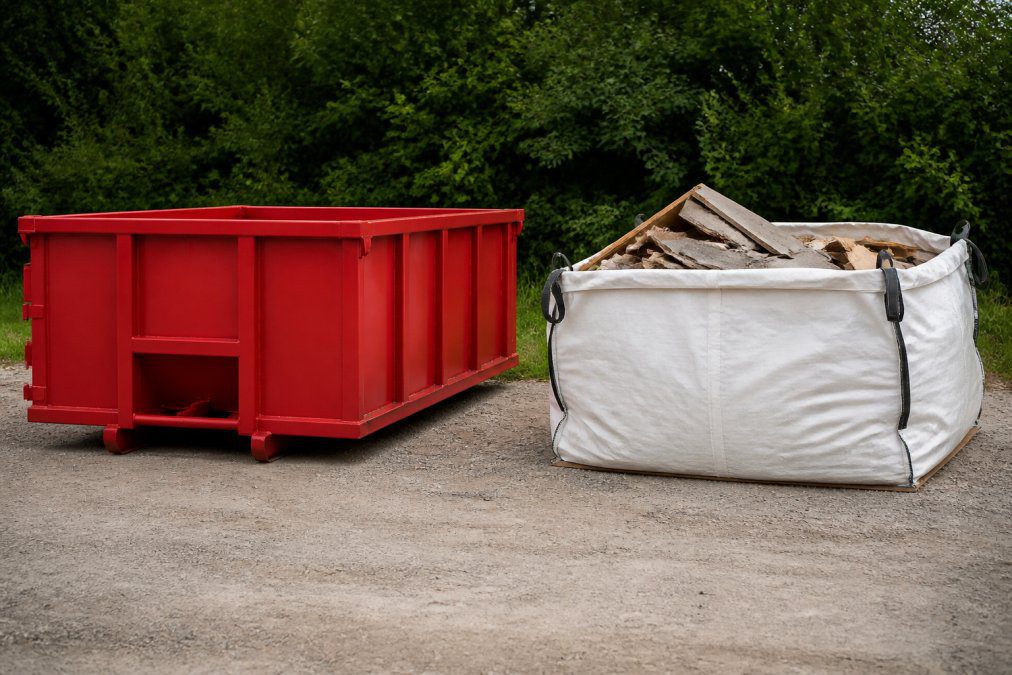
A roll-off dumpster is a large metal container delivered to your property for a set rental period. A Bagster is a heavy-duty disposable bag you fill at your own pace and schedule for pickup. The real difference comes down to capacity, convenience, and what kind of waste you’re handling. At Austex Dumpsters, we help homeowners and contractors choose the right solution for their specific project needs.
Here’s the quick verdict from our roll-off dumpster vs bagster analysis: for most small projects generating more than a few hundred pounds of debris, a roll-off dumpster wins on value and convenience. For truly minimal cleanouts, think a single room’s worth of old furniture, a Bagster might make sense if space is extremely tight.
| Feature | Roll-Off Dumpster | Bagster |
|---|---|---|
| Capacity | 15-30 cubic yards | ~3 cubic yards |
| Weight Limit | Up to several tons | 3,300 lbs max |
| Best For | Large projects, heavy debris | Minimal cleanouts, tight spaces |
| Rental Period | Flexible (typically 5-14 days) | Single use, scheduled pickup |
| Cost Model | Flat rental rate | Bag cost + pickup fee |
| Overage Charges | Possible if weight exceeded | Built into total cost |
What Is a Roll-Off Dumpster?
A roll-off dumpster is a rectangular metal container that’s delivered to your driveway or job site on a specialized truck. You fill it over days or weeks, then schedule pickup when you’re done. The “roll-off” name refers to the truck’s hydraulic system that rolls the container off its bed and onto your property.
Austex Dumpsters offers roll-off dumpsters in 15-yard, 20-yard, 25-yard, and 30-yard sizes. The 15-yard option is ideal for general debris and works well for most residential projects. For heavy materials like concrete, dirt, brick, or rock, the 15-yard dumpster is specifically designed to handle large volumes of these dense materials efficiently.
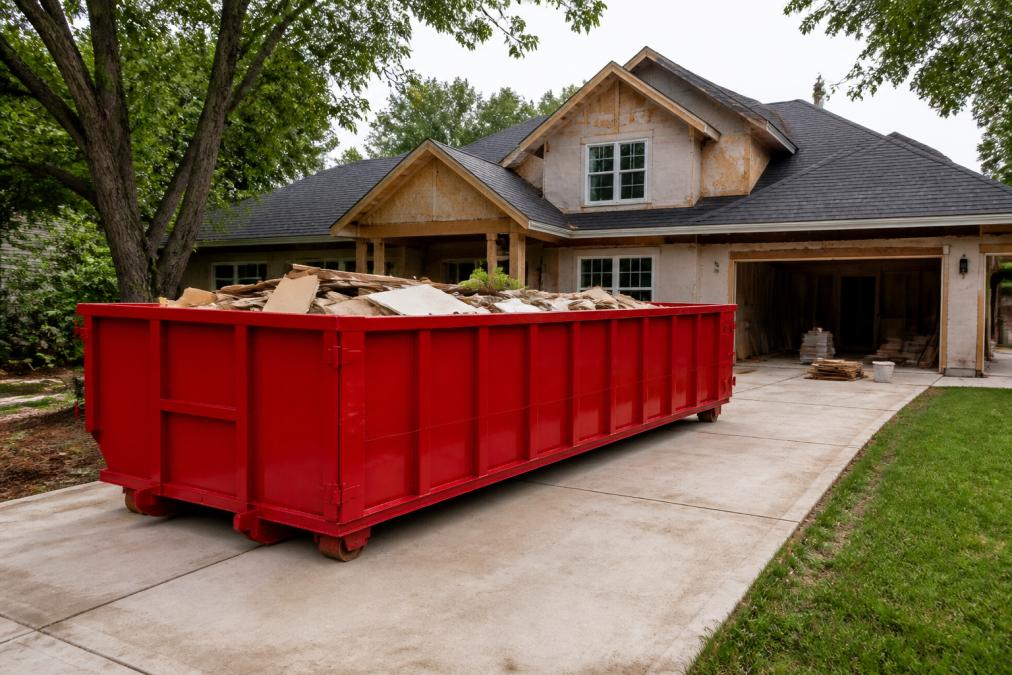
The rental process is straightforward: call for a quote, choose your size, and schedule delivery. Many providers, including Austex Dumpsters, offer same-day delivery when your project can’t wait. You get a set rental period, usually 5 to 14 days, to fill the container. When you’re done, you call for pickup. No sorting, no multiple trips to the dump, no guessing whether your load will fit.
What Is a Bagster?
The Bagster is a single-use, heavy-duty woven plastic bag sold through Waste Management. You buy the bag upfront (typically around $30), fill it yourself with debris, and schedule a pickup when it’s full. Waste Management then hauls it away and charges a pickup fee on top of the bag cost.
The bag holds up to 3,300 pounds and has a capacity of roughly 3 cubic yards. It comes folded flat so you can store it until you need it. The appeal is simplicity: no rental contract, no commitment, just buy it and use it when you’re ready.
The catch is that Bagster works only for relatively light, non-hazardous waste. You can’t put in asphalt, concrete, dirt, or rocks. You can’t overfill it. And once it’s full, you’re locked into whatever pickup fee Waste Management charges in your area, which varies significantly by location.
Capacity and Volume Comparison
This is where the math becomes clear. A Bagster holds approximately 3 cubic yards. A 15-yard roll-off dumpster holds 15 cubic yards, five times the volume. A 20-yard holds 20 cubic yards. A 25-yard holds 25 cubic yards. A 30-yard holds 30 cubic yards.
For small projects, this matters less. If you’re clearing out a single bedroom, 3 cubic yards might be enough. But most home renovations generate far more waste than people expect. A typical kitchen remodel produces 5-8 cubic yards of debris. A roof tearoff produces 8-12 cubic yards. A bathroom renovation with tile removal and wall demolition easily hits 4-6 cubic yards.
The volume comparison also reflects density. A Bagster’s 3,300-pound weight limit sounds reasonable until you load it with anything heavy. Concrete, brick, dirt, and rock are dense materials. You’ll hit the weight limit long before you fill the bag by volume. With a roll-off dumpster, you have flexibility across both dimensions: you can fill it high or load it dense without hitting a hard stop.
Most homeowners underestimate project waste by 40-60%. A dumpster prevents the frustration of running out of space mid-project and needing a second bag or emergency pickup.
Dumpster Rental Weight Limits and Heavy Debris Disposal Requirements
Roll-off dumpsters have weight limits, but they’re generous compared to Bagster. A 15-yard dumpster can handle several tons of material. The exact limit depends on your local landfill regulations and the disposal facility.
Here’s the critical distinction: heavy materials, concrete, dirt, brick, and rock, require specific handling. These materials are dense and heavy. A Bagster is explicitly not designed for them. With Austex Dumpsters, the 15-yard dumpster is the right choice for large volumes of heavy debris. When you load a 15-yard dumpster with clean concrete, dirt, brick, or rock with no trash or other contamination, you may qualify for a tonnage break on disposal costs, which can meaningfully reduce your total project expense.
Light debris, drywall, wood, insulation, carpet, works fine in a roll-off dumpster. But if your project includes significant concrete removal, foundation work, or extensive landscaping debris, you need a container rated for weight. The Bagster simply isn’t an option for these jobs.
Fill Out Form to Request Dumpster Rental →
Overfilling a Bagster or exceeding its weight limit can result in refusal of pickup and additional fees. A roll-off dumpster prevents this problem entirely because the weight capacity is built into the rental agreement upfront.
Cost Comparison and Hidden Fees
Bagster pricing appears economical upfront. The bag itself costs around $30, and pickup typically runs $50-$150 depending on location and local demand. For a single bag, total cost is roughly $80-$180. However, this math breaks down quickly if your project generates more than one bag’s worth of debris. A typical kitchen remodel produces 5-8 cubic yards, requiring two to three Bagsters. At three bags, you’re paying three pickup fees, which eliminates the cost advantage.
Roll-off dumpster pricing depends on size, location, rental duration, and local landfill fees. For current pricing and quotes tailored to your project, contact Austex Dumpsters directly.
Hidden Fees and Risk with Bagster
The Driveway Damage Factor
Environmental and Efficiency Costs
The true cost of a Bagster includes the bag, the pickup fee, the risk of overage charges, and the potential for multiple pickups if your project exceeds 3 cubic yards. A roll-off dumpster’s flat rental rate is easier to budget and typically more economical for projects over 3-4 cubic yards. However, factor in driveway protection costs if your property is at risk of damage from heavy equipment.
Best Use Cases: When to Choose Each Option
Choosing between a roll-off dumpster and a Bagster requires more than just comparing capacity. Your decision should account for property constraints, legal requirements, physical labor demands, and project timeline, factors most homeowners overlook until they’re mid-project.
Choose a Bagster if:
- You’re removing debris from a single room or small area with total waste under 3 cubic yards
- Your project contains no heavy materials like concrete, brick, dirt, or rock
- You have extremely limited driveway or yard space and cannot accommodate a 15-30 foot container
- You want to avoid a rental commitment and can schedule pickup on short notice
- Your HOA or municipal code restricts dumpster placement on streets or shared property (Bagster sits on your property and requires no permit in most jurisdictions)
- You have minimal physical labor capacity and prefer to fill the bag gradually over weeks rather than manage a large open container
Choose a roll-off dumpster if:
- Your project spans multiple rooms, an entire home renovation, or a significant demolition
- You have heavy debris including concrete, brick, dirt, or rock, these materials require a 15-yard dumpster
- You need to complete the project within a defined timeline and want all debris removed in a single pickup rather than scheduling multiple Bagster pickups
- You have adequate driveway or yard space (typically 15-30 feet long, 8 feet wide) and your property allows heavy equipment access
- You’ve confirmed with your local municipality or HOA that dumpster placement is permitted on your property (many jurisdictions require a permit for street placement; private driveways typically have fewer restrictions)
- You’re a contractor managing a job site or a homeowner who prefers the convenience of one large container over multiple smaller bags
The Hidden Decision Factor: Property and Permit Constraints
The Physical Labor and Timeline Trade-Off
Matching Size to Project Scope
Frequently Asked Questions
Are Bagsters cheaper than roll-off dumpsters?
For very small cleanouts, a Bagster’s upfront cost is lower, but total expenses depend on your waste volume and project scope. A single Bagster holds about 3 cubic yards and costs approximately $30 for the bag plus a pickup fee. If you need multiple bags, costs add up quickly. Roll-off dumpsters offer better value for larger projects because you pay one rental fee for a container that holds significantly more debris. Compare your total waste volume before deciding.
What size roll-off dumpster is comparable to a Bagster?
A Bagster holds approximately 3 cubic yards of waste. Among roll-off dumpsters, a 15-yard dumpster is the smallest available and holds five times the volume of a Bagster. There is no roll-off dumpster that directly matches Bagster’s small capacity, which is why Bagsters work best for minor cleanouts where space is tight and debris volume is minimal.
What items are prohibited in a Bagster?
Bagsters cannot accept hazardous materials, electronics, appliances, tires, batteries, or certain construction waste. Weight restrictions also apply, bags must not exceed 3,300 pounds. If your project generates prohibited items, you’ll need a roll-off dumpster instead. Always confirm what your specific waste stream contains before choosing a Bagster.
How do weight limits compare between Bagsters and roll-off dumpsters?
A Bagster has a 3,300-pound weight limit, making it suitable only for light debris like general household junk or minor renovation scraps. Roll-off dumpsters accommodate significantly higher weights and are required for heavy materials like concrete, dirt, brick, and rock. If your project involves heavy debris, a roll-off dumpster is the only practical option, and a 15-yard dumpster is specifically designed for these materials.