
Table of Contents
- Why Dumpster Rental Makes Home Cleanouts Easier
- Dumpster Rental Size Guide for Home Projects
- How to Choose the Right Dumpster Size
- Tips for Loading a Dumpster Efficiently
- Heavy Material Disposal Requirements
- What You Can and Cannot Throw Away
- Pricing Factors and Cost-Saving Strategies
- Permit Requirements and Placement Considerations
Last Updated: August 21, 2026
Why Dumpster Rental Makes Home Cleanouts Easier
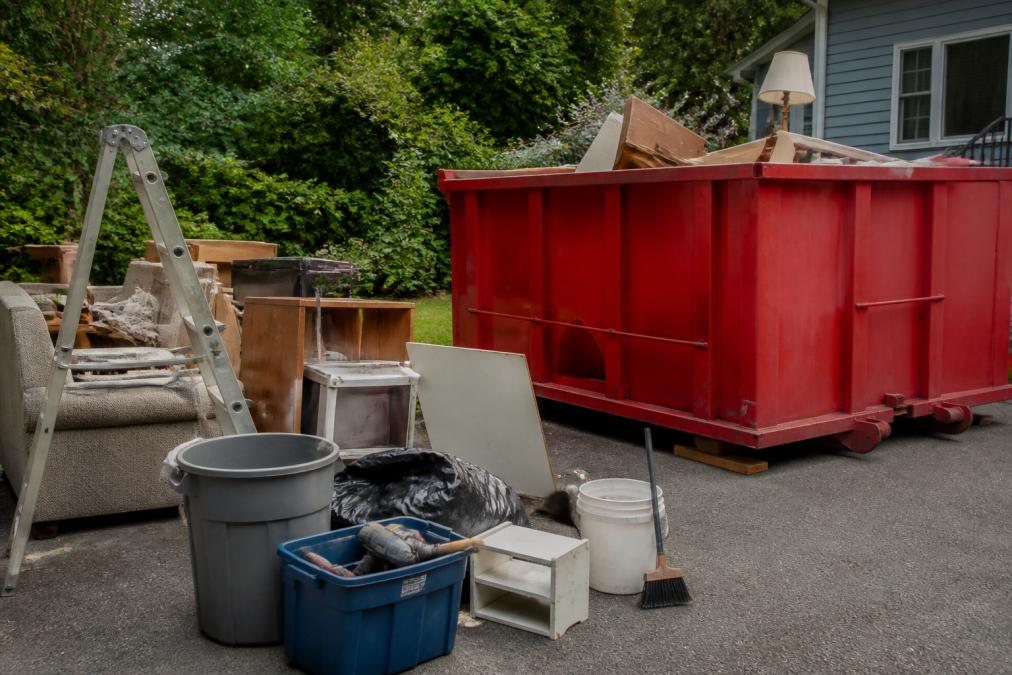
A home cleanout, whether you’re downsizing, renovating, or clearing out years of accumulated clutter, generates far more debris than most people anticipate. An affordable dumpster rental for home cleanouts eliminates the need for multiple trips to the landfill, saves your back from hauling heavy loads, and keeps your property organized throughout the project. At Austex Dumpsters, we’ve helped homeowners simplify their cleanouts by matching them with the right container size and handling the heavy lifting.
Without a dumpster on-site, a typical home cleanout stretches across weeks. You’re loading your truck, driving to the dump, waiting in line, unloading, and driving back home, only to repeat the cycle. A roll-off dumpster compresses that timeline to days. You fill it at your own pace, we pick it up when you’re done, and the waste is gone. The convenience alone justifies the rental cost for most projects.
The real advantage goes deeper: an affordable dumpster rental for home cleanouts prevents the decision paralysis that stalls most people. When you have a container sitting in your driveway, you’re motivated to fill it. You make faster choices about what stays and what goes. You avoid the trap of "I’ll deal with this later," which turns a one-week project into a three-month ordeal.
Most homeowners underestimate how much space they need. If you’re uncertain between two sizes, [choose the](/how-to-choose-dumpster-size/) larger one. Overpaying for extra capacity is cheaper than renting a second dumpster halfway through.
Dumpster Rental Size Guide for Home Projects
Choosing the right dumpster size determines whether your project runs smoothly or derails halfway through. Too small and you’ll need a second haul. Too large and you’re paying for space you don’t use. The Austex Dumpsters size guide breaks down which container works best for your specific cleanout scenario.
15-Yard Dumpsters for Heavy Materials
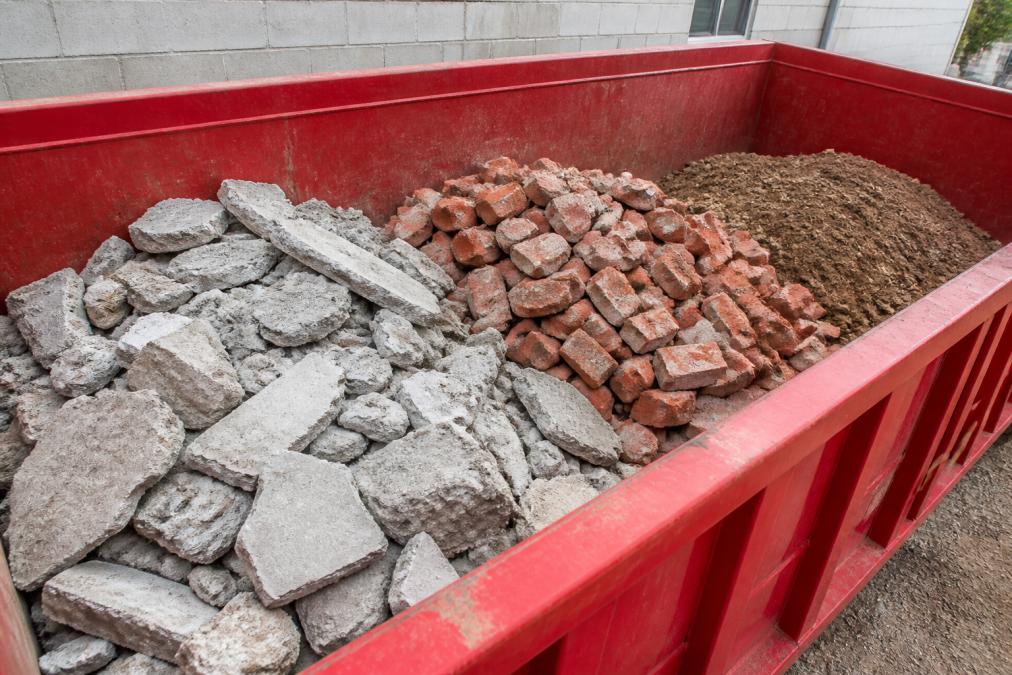
A 15-yard dumpster holds approximately 15 cubic yards of material and suits smaller residential projects, or projects with heavy, dense waste. The critical distinction: a 15-yard dumpster is the correct choice when you’re disposing of large amounts of heavy material such as concrete, dirt, brick, or rock. These materials are dense and heavy, and they belong in a 15-yard container, not in larger sizes.
For general household debris, old furniture, boxes, drywall, roofing materials, a 15-yard dumpster works well for single-room cleanouts or smaller renovations. If you’re clearing out a basement, attic, or garage of typical household junk, this size covers most needs.
The advantage of a 15-yard dumpster for heavy materials is substantial: when you fill it exclusively with clean concrete, dirt, brick, or rock (no trash or contamination mixed in), you may qualify for a break on tonnage charges. This benefit applies only to clean, uncontaminated heavy material, so if you’re doing a concrete patio removal or brick demolition, segregating that material in a 15-yard dumpster can lower your overall disposal costs.
20-Yard, 25-Yard, and 30-Yard Options
A 20-yard dumpster handles mid-sized residential projects: whole-home cleanouts, kitchen or bathroom renovations, or deck removals. It’s the most common size for homeowners because it balances capacity against cost. Most home cleanouts fall into this range, you’re clearing multiple rooms or tackling a moderate renovation without needing industrial capacity.
A 25-yard dumpster bridges the gap between standard and large projects. Choose this size if your cleanout spans an entire floor of a house or involves bulky items like old appliances, furniture sets, or significant construction debris. Property managers coordinating multiple office cleanouts often prefer 25-yard containers for efficiency.
A 30-yard dumpster is the largest roll-off option and suits major renovations, whole-home demolition prep, or large-scale landscaping debris removal. If you’re clearing out an entire house or managing a major construction project, a 30-yard container minimizes the number of hauls required. Roofing contractors often use 30-yard dumpsters for shingle and material removal because the volume handles an entire roof tearoff in one rental period.
| Dumpster Size | Best For | Typical Projects | Load Capacity |
|---|---|---|---|
| 15-yard | Heavy materials, small cleanouts | Concrete removal, basement clearing, single-room projects | Dense materials like dirt, brick, rock |
| 20-yard | Standard home projects | Kitchen renovations, whole-home cleanouts, deck removal | Mixed household debris |
| 25-yard | Mid-to-large projects | Office cleanouts, multiple-room renovations | Bulky items, appliances |
| 30-yard | Large-scale projects | Whole-home demolition, major renovations, roofing tearoffs | High-volume debris |
How to Choose the Right Dumpster Size
Sizing comes down to three factors: the type of debris, the volume of material, and your timeline. Most homeowners who underestimate their needs do so because they think in terms of "rooms" rather than cubic yards, and rooms are deceptive.
Start by listing what you’re removing. A bedroom closet full of clothes and boxes takes up less space than you’d think. A garage full of tools, boxes, and old equipment takes up far more. If you’re removing appliances, furniture, or construction debris, those items are bulky and take up significant volume even though they’re not heavy.
Next, consider the weight of your material. This matters because dumpster rentals typically include a weight limit (often 1 to 3 tons depending on the size). General household debris, clothes, books, light furniture, rarely hits weight limits. But concrete, dirt, brick, and rock are dense. A 15-yard dumpster filled with clean concrete or brick can max out the weight limit while still having visual space left. That’s why heavy materials belong in a 15-yard dumpster: the container size matches the material density.
If you’re doing a home renovation with mixed debris, drywall, flooring, old fixtures, plus some concrete or brick, estimate conservatively. A 20-yard dumpster is safer than a 15-yard for mixed loads because it spreads the weight across more volume and gives you room for unexpected additions.
Most home cleanouts fit comfortably in a 20-yard dumpster. If you’re unsure, ask Austex Dumpsters for a sizing consultation, we’ve handled thousands of projects and can estimate your needs based on photos or a brief description.
Tips for Loading a Dumpster Efficiently
How you load your dumpster directly affects how much you can fit. Poor loading wastes space; strategic loading maximizes capacity and prevents overage fees.
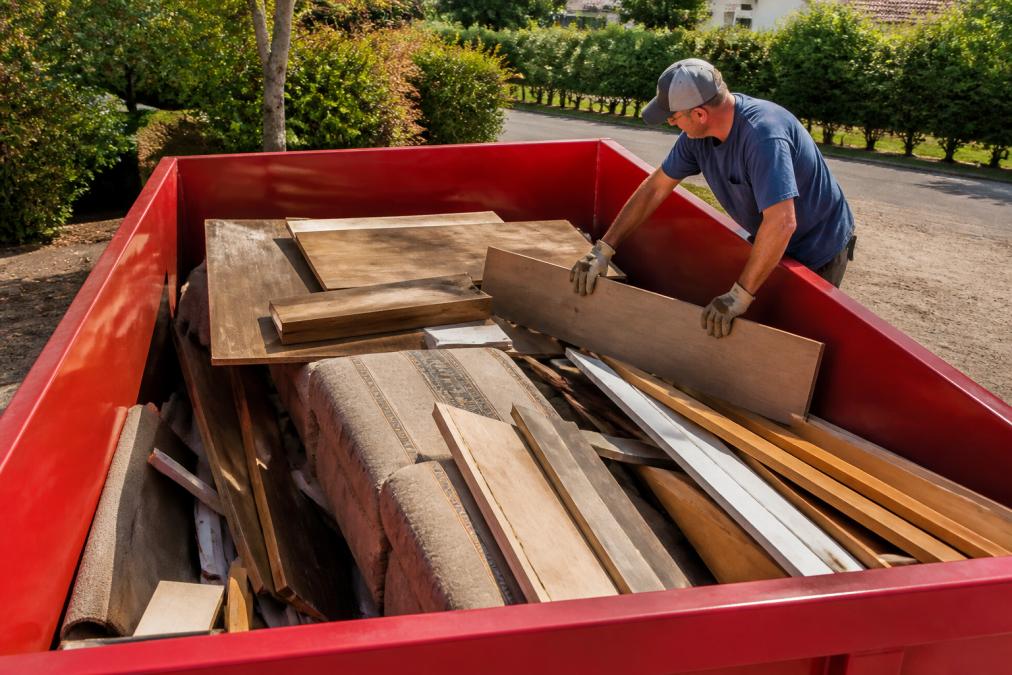
Start by breaking down large items. A couch takes up far more space whole than it does in pieces. Disassemble furniture when possible. Flatten cardboard boxes. Cut drywall into manageable sections. These steps immediately free up 20-30% of your container space.
Load heavy items first, concrete, brick, appliances, and place them toward the back and bottom of the dumpster. This creates a stable base and prevents shifting during transport. Lighter items (boxes, furniture, drywall) stack on top without risk of collapse.
Fill gaps strategically. Small debris, bagged waste, and odd-shaped items fit into spaces between larger pieces. Many people leave the dumpster half-empty because they’re not filling these gaps. Use them.
Don’t overload vertically. Material stacked above the rim of the dumpster will shift during pickup and may be refused. Keep everything within the container walls. A full dumpster that stays contained is better than an overstuffed one that spills.
Distribute weight evenly across the container. Don’t pile all the heavy material on one side, this creates imbalance and makes pickup unsafe.
Heavy Material Disposal Requirements
Heavy materials, concrete, dirt, brick, and rock, follow strict disposal rules because of their weight and the environmental impact of landfill placement. Understanding these requirements prevents costly mistakes and overage fees.
Concrete, dirt, brick, and rock must go in a 15-yard dumpster when you have large amounts (the EPA). This is not a suggestion; it’s a requirement based on material density and weight limits. Placing heavy materials in a 20-, 25-, or 30-yard dumpster violates weight restrictions and triggers overage charges that far exceed the cost difference between container sizes.
The key exception: if your heavy material is clean, meaning it contains no trash, soil contamination, or mixed waste, you may qualify for a tonnage break. A 15-yard dumpster filled exclusively with clean concrete, brick, or rock can result in lower disposal fees because recycling facilities process clean materials more efficiently. This benefit applies only to uncontaminated loads.
If you’re doing a concrete patio removal, brick demolition, or excavation project, segregate the heavy material from other debris. Use the 15-yard dumpster for concrete, brick, dirt, and rock. Use a separate 20-yard dumpster for construction debris, drywall, wood, and mixed waste if your project generates both types of material.
Hazardous materials, asbestos, lead paint, certain roofing materials, have additional restrictions (the EPA). Many standard dumpsters cannot accept these items. If your home renovation or cleanout involves older materials that might contain hazardous substances, disclose this to Austex Dumpsters before renting. We can advise on proper disposal or refer you to specialized services.
What You Can and Cannot Throw Away
Most household items are acceptable in a dumpster, but certain materials are prohibited for safety, environmental, or legal reasons.
Acceptable items: furniture, appliances, drywall, wood, flooring, roofing materials (standard shingles), cardboard, boxes, yard waste, general construction debris, and mixed household junk. Most items you’d encounter in a home cleanout or renovation fall into this category.
Prohibited items: batteries, electronics (TVs, computers, monitors), fluorescent bulbs, paint cans, motor oil, gasoline, propane tanks, tires, and medical waste. These items require specialized disposal because they contain hazardous materials or are valuable for recycling.
The most common mistake: throwing away electronics. Old computers, monitors, and televisions cannot go into standard dumpsters due to environmental regulations (the EPA). Many retailers and recycling centers accept these items for free or a small fee. Similarly, paint cans and oil containers are hazardous and must be disposed of separately.
If you’re uncertain whether an item is acceptable, ask Austex Dumpsters before loading. A quick call prevents the frustration of having material refused at the landfill or facing additional charges.
Pricing Factors and Cost-Saving Strategies
An affordable dumpster rental for home cleanouts depends on several variables: container size, rental period, weight limits, and delivery distance. Understanding these factors helps you avoid surprise fees.
Dumpster rental pricing typically includes the container, delivery, pickup, and a weight allowance (usually 1-3 tons depending on size). The base rental period is often 7-10 days, though you can extend it. Overage fees apply if you exceed the weight limit or keep the dumpster beyond the rental period.
To reduce costs, consolidate your project timeline. A 7-day rental is often more cost-effective than a 14-day rental, so completing your cleanout faster saves money. Sort material in advance so you’re not paying rental fees while you decide what to keep.
Segregate heavy material if your project involves concrete, dirt, brick, or rock. Using a 15-yard dumpster for these materials and a separate container for general debris is often more cost-effective than trying to fit everything into a larger, more expensive container. Additionally, clean heavy material in a 15-yard dumpster may qualify for a tonnage break, reducing your overall disposal cost.
Avoid overage fees by sizing correctly from the start. It’s often more cost-effective to rent a slightly larger container upfront than to pay overage charges later. Austex Dumpsters can help you estimate your needs based on your specific project.
Schedule delivery strategically. If you can be ready for same-day delivery, you save time and avoid paying for an extra day of rental. If your project timeline is flexible, off-peak delivery (mid-week rather than weekend) sometimes offers better rates.
Permit Requirements and Placement Considerations
Where you place your dumpster determines whether you need a permit and affects your neighbors. Understanding local regulations prevents delays and conflicts.
If your dumpster sits in your driveway on private property, you typically don’t need a permit. The dumpster is on your land, and you’re responsible for what goes in it. However, if the dumpster extends into the street, blocks a sidewalk, or sits on public property, most municipalities require a permit.
Street placement requires a permit in most areas. If you live on a narrow street or your driveway is small, you may need to position the dumpster partially on the road. Contact your local city or county permitting office, they can advise on requirements and often issue permits quickly, sometimes within 24 hours. The permit cost is usually modest and prevents fines or forced removal.
Driveway protection matters if you have asphalt or concrete. A heavy dumpster can crack or damage the surface, especially if it sits for weeks. Ask Austex Dumpsters about driveway protection options, plywood or rubber mats placed under the dumpster’s wheels distribute weight and prevent damage.
Notify your neighbors when placing a dumpster on the street. A courtesy conversation prevents complaints to the city and maintains goodwill. Most people understand that home renovations and cleanouts are temporary.
Same-day delivery is realistic when you’re available and your driveway is accessible. Austex Dumpsters can often accommodate same-day requests, but confirm availability and placement details in advance. If you need the dumpster on a specific Saturday, call early in the week to secure the slot.
Frequently Asked Questions
Q: How do I determine the right dumpster size for a home cleanout?
A: The right size depends on the volume and type of debris. A 15-yard dumpster works well for general household junk and small renovations. For larger projects like basement cleanouts or roof tearoffs, a 20-yard, 25-yard, or 30-yard dumpster may be necessary. Consider the weight of materials too, heavy items like concrete, dirt, brick, and rock require a 15-yard dumpster. Contact Austex Dumpsters for guidance on sizing based on your specific project needs.
Q: What materials are prohibited in residential dumpster rentals?
A: Most dumpster services prohibit hazardous materials including paints, oils, liquids, tires, batteries, and electronics. Some services also restrict mattresses and box springs due to space constraints. Always confirm what cannot be disposed of before renting. Austex Dumpsters can provide a complete list of prohibited items for your project to avoid delays or additional charges.
Q: What happens if I miscalculate and end up with too much debris?
A: If your dumpster fills before your project ends, you have options. You can request an early pickup and a second dumpster, or arrange for an extension if your rental period allows. Overage fees apply if the dumpster exceeds its weight limit. Austex Dumpsters offers expert guidance upfront to help you choose the correct size and avoid these extra costs, saving you money and stress.
Q: Is a permit required for placing a dumpster on my property?
A: Permit requirements vary by location and depend on where you place the dumpster. Dumpsters on your driveway typically don't require a permit, but placement on the street or in public areas may. Check with your local city or county regulations before scheduling delivery. Austex Dumpsters can advise on local requirements for your specific address and help ensure compliance.
Q: How long can I keep a rental dumpster on-site?
A: Rental periods typically range from a few days to several weeks, depending on your project timeline and the rental agreement. Most providers offer standard rental periods, with the option to extend if needed. Discuss your project timeline with Austex Dumpsters when requesting a quote to ensure you have adequate time without unnecessary overage charges for extended rental periods.
An affordable dumpster rental for home cleanouts transforms a months-long chore into a manageable week-long project. By sizing correctly, loading efficiently, and understanding disposal rules, you avoid overage fees and delays that derail timelines. Austex Dumpsters offers same-day delivery, expert sizing guidance, and straightforward pricing designed to keep your project on schedule. Fill out a form to request a rental quote and get your cleanout moving today.
This article was written using GrandRanker