

Table of Contents
- What Makes a Good Residential Dumpster Rental in Austin
- Dumpster Rental Sizes: Which Container Fits Your Project
- Heavy Material Disposal Guidelines: Concrete, Dirt, and Rock
- What You Can and Cannot Toss in a Roll-Off Dumpster
- How to Prepare for Dumpster Delivery at Your Home
- Dumpster Rental Duration: How Long Can You Keep It?
- Pricing, Overage Charges, and How to Avoid Surprise Fees
- Conclusion
Last Updated: August 17, 2026
Planning a home renovation, garage cleanout, or landscaping overhaul means figuring out waste removal. At Austex Dumpsters, we’ve helped hundreds of Austin homeowners and contractors choose the right container size, understand what they can toss, and avoid surprise fees. This guide covers everything you need to know about residential dumpster rental in Austin, from selecting the right container to protecting your driveway on delivery day.
A roll-off dumpster rental is a temporary waste disposal container delivered to your property, filled during your project, and hauled away when you’re done. The right rental keeps your worksite clean, your project on schedule, and your disposal costs predictable.
What Makes a Good Residential Dumpster Rental in Austin
The best dumpster rental service shows up on time, gives honest sizing guidance, and avoids surprise charges. Austin’s residential neighborhoods vary widely, a compact bungalow in East Austin has different access constraints than a sprawling property in Cedar Park. Your provider needs to understand local logistics and same-day delivery availability, especially when a roofing crew is waiting or a renovation timeline is tight.
Flat-rate pricing with transparent overage policies separates good providers from frustrating ones. Many Austin homeowners have reported getting burned by per-ton overage charges that weren’t clearly disclosed at booking. Ask upfront: what’s included in the base rental, how is weight calculated, and what triggers an additional fee?
According to the EPA’s municipal solid waste guidelines, residential construction and demolition debris accounts for a significant share of landfill intake nationally. Choosing a provider that properly categorizes and routes your waste keeps your project compliant with local disposal standards.
Before you call any dumpster rental company, take a rough inventory of your project. Walk through the space and estimate how many large trash bags worth of debris you expect. This single step prevents most sizing mistakes.
Dumpster Rental Sizes: Which Container Fits Your Project
Choosing the right dumpster size is the single most important decision in the rental process. Size too small and you’re paying for a second haul; size too large and you’re paying for cubic yardage you never used.
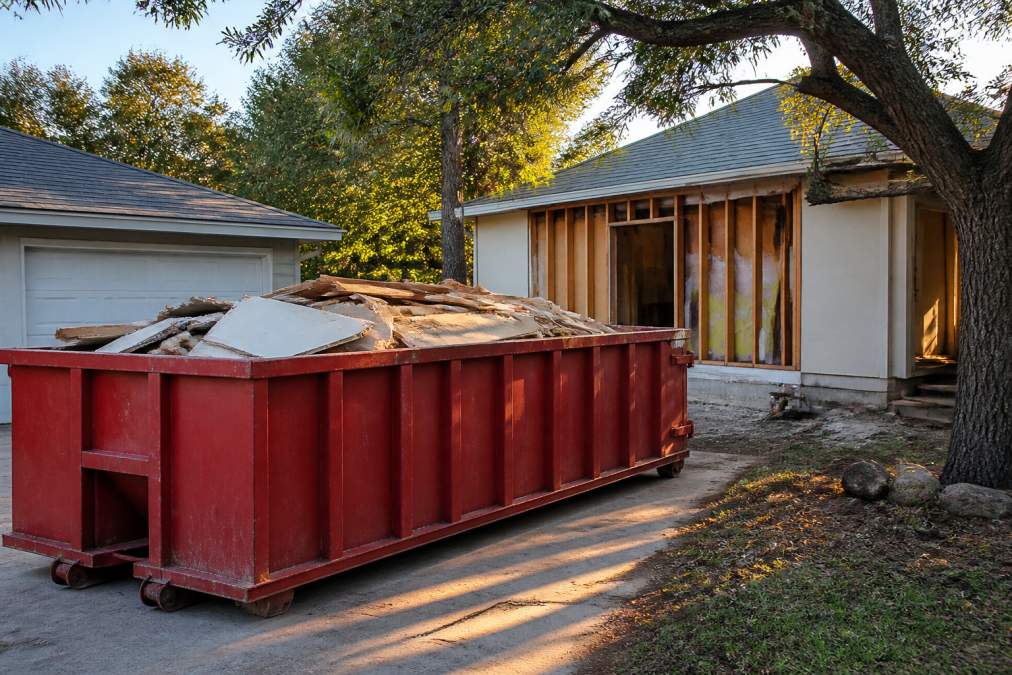
Austex Dumpsters offers four container sizes: 15-yard, 20-yard, 25-yard, and 30-yard roll-off dumpsters. Each is matched to different project scopes, and the difference between them isn’t just volume, it’s also what materials you’re allowed to put inside.
| Size | Approximate Volume | Best For | Notes |
|---|---|---|---|
| 15-yard | ~15 cubic yards | Small cleanouts, heavy materials | Required for concrete, dirt, brick, rock |
| 20-yard | ~20 cubic yards | Kitchen/bath remodels, roofing tearoffs | General debris only |
| 25-yard | ~25 cubic yards | Larger renovations, multi-room cleanouts | General debris only |
| 30-yard | ~30 cubic yards | Full home cleanouts, major construction | General debris only |
15-Yard Dumpster
The 15-yard dumpster is Austex’s most versatile container. It handles general household debris well, but it’s also the required choice for any project involving large amounts of heavy material: concrete, dirt, brick, or rock. This isn’t arbitrary, weight limits on larger containers make heavy materials a structural and safety concern during transport.
If you’re disposing of clean concrete, dirt, brick, or rock with no mixed trash or contamination, you may qualify for a tonnage break. That’s a meaningful cost advantage for demolition projects or landscaping jobs where you’re pulling up a patio or retaining wall. Keep the load clean and uncontaminated to preserve that option.
For a bathroom gut, small garage cleanout, or a single-room renovation, the 15-yard is usually the right call.
20-Yard Dumpster
The 20-yard container is the go-to for mid-size residential projects. A full kitchen remodel, a roofing tearoff on a standard single-story home, or a two-car garage cleanout typically fits within this range. It holds considerably more than the 15-yard without the footprint of the larger containers, which matters on tighter driveways.
Important: the 20-yard is for general debris only. Do not load large amounts of concrete, dirt, brick, or rock into this container.
25-Yard and 30-Yard Dumpsters
These larger containers suit whole-home cleanouts, multi-room renovation projects, and commercial-adjacent residential jobs. A 25-yard handles a substantial estate cleanout or full flooring replacement across a large home. The 30-yard is appropriate for major construction debris or extensive remodels.
Both sizes are general debris containers. Heavy materials like concrete and rock must go in a 15-yard, regardless of how much space the larger containers appear to have.
Heavy Material Disposal Guidelines: Concrete, Dirt, and Rock
Heavy material disposal is where most first-time renters make expensive mistakes. Concrete, dirt, brick, and rock are dense enough to exceed weight limits in larger containers well before they look full.
The rule at Austex Dumpsters is straightforward: large amounts of these materials go in a 15-yard dumpster, full stop. Attempting to mix heavy materials into a 20-, 25-, or 30-yard container creates overweight loads that trigger additional fees and safety issues during transport.
The upside of following this correctly: if your 15-yard dumpster is filled exclusively with clean concrete, dirt, brick, or rock with no mixed trash or contamination, you may receive a tonnage break on disposal costs.
Common scenarios where this matters:
- Tearing out a concrete patio or walkway
- Pulling up old brick pavers or retaining wall blocks
- Excavating soil for a landscaping project
- Demolishing a brick fireplace or chimney
For any of these, plan a separate 15-yard rental for the heavy material. If you also have general renovation debris, that goes in a second container sized to the rest of your project.
Mixing concrete or dirt with general trash voids the tonnage break and may trigger overweight fees. Keep heavy loads clean and separate from the start.
What You Can and Cannot Toss in a Roll-Off Dumpster
Most residential debris is fair game for a roll-off dumpster rental. The prohibited items list is shorter than people expect, but the items on it are non-negotiable.
Accepted materials (general debris containers):
- Household furniture and appliances (check for refrigerants)
- Drywall, lumber, and framing materials
- Roofing shingles and underlayment
- Carpet, flooring, and tile
- Yard waste and landscaping debris
- Cardboard and general household junk
Prohibited items (no exceptions):
- Hazardous materials: paint, solvents, chemicals, pesticides
- Tires
- Batteries (automotive and household)
- Propane tanks and compressed gas cylinders
- Asbestos-containing materials
- Electronic waste (TVs, computers, monitors)
- Medical waste
For prohibited items, alternatives exist locally. The Austin Resource Recovery hazardous waste disposal program accepts paint, chemicals, and electronics at designated drop-off sites. Tires can be recycled at participating retailers. E-waste has dedicated recycling centers across the metro area.
Never fill a dumpster above the container walls. Debris that extends above the rim creates a road hazard and most providers will refuse to haul an overloaded container.
Fill Out Form to Request Dumpster Rental →
How to Prepare for Dumpster Delivery at Your Home
A little preparation before the truck arrives prevents most headaches. The goal is a clean drop, safe placement, and a container you can actually use efficiently.
Driveway Protection Tips
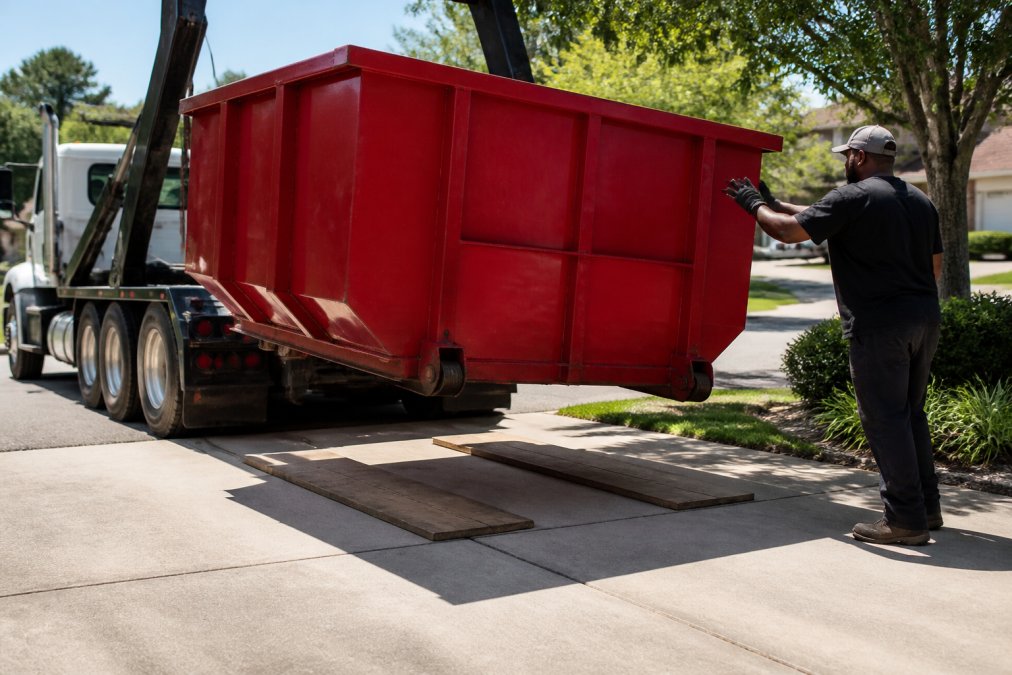
Steel containers are heavy. Even an empty roll-off dumpster exerts significant point pressure on concrete or asphalt, and a full one can cause cracking or surface damage if placed directly on the driveway.
Driveway protection is simple:
- Place thick plywood boards (at least ¾ inch) under each contact point before the container is set down
- Avoid placement on fresh asphalt; wait at least a year after repaving
- If your driveway has existing cracks, photograph them before delivery
- Keep the area clear of vehicles and obstacles so the driver can position the container precisely
Many professional providers place protective boards as standard practice. Confirm this with your rental company before delivery day.
Permit Requirements for Street Placement
Placing a dumpster on a public street or sidewalk typically requires a permit from the city. In Austin, right-of-way permits are managed through the City of Austin Development Services Department. Requirements vary by neighborhood and street classification.
Permit timelines can range from same-day to several business days. If your project is time-sensitive, apply early. If you can place the dumpster entirely on private property (your driveway or yard), you typically don’t need a permit.
Measure your driveway clearance before booking. A 30-yard container needs significant length and overhead clearance. If tree branches, power lines, or a narrow gate are factors, mention them when you request a quote.
Dumpster Rental Duration: How Long Can You Keep It?
Dumpster rental duration is typically structured around a base rental period, with daily or weekly extension fees if you need more time. Most residential projects fall within a standard rental window.
Common rental periods:
- Weekend rentals: Ideal for single-day cleanouts
- Weekly rentals (7 days): The most common choice for home renovation projects
- Extended rentals (2+ weeks): Suited for larger renovations or phased projects
Build buffer time into your rental. A bathroom remodel that you expect to finish in five days often runs seven. Extending a rental mid-project is always an option, but it’s cheaper to book the right duration upfront than to scramble for an extension when your contractor hits a snag.
Ask your provider what the extension policy looks like before you commit. Some charge a flat daily rate; others have minimum extension increments.
Pricing, Overage Charges, and How to Avoid Surprise Fees
Dumpster rental pricing varies based on container size, rental duration, your distance from the disposal facility, and the type of material you’re disposing of. Most reputable providers offer quote-based pricing rather than a published flat rate.
Understanding the fee structure before you book is essential. Here’s what to ask about:
Base rental fee: Covers delivery, pickup, and a specified weight allowance.
Weight overage charges: If your load exceeds the included tonnage, you pay a per-ton fee on the excess. Be honest about what you’re disposing of when you request a quote, so the included weight allowance is sized appropriately.
Disposal fees: Some materials carry surcharges due to landfill regulations or special handling requirements.
Extension fees: Keeping the container beyond your rental period triggers daily or weekly charges.
Prohibited item fees: Loading something that shouldn’t be in the container can result in a sorting or disposal surcharge.
The cleanest way to avoid surprise fees is to request a detailed quote that itemizes each component. Austex Dumpsters offers straightforward pricing with expert guidance on sizing, designed to match you with the right container the first time.
| Fee Type | When It Applies | How to Avoid It |
|---|---|---|
| Weight overage | Load exceeds included tonnage | Accurately estimate debris weight upfront |
| Extension fee | Container kept past rental period | Book the right duration or extend proactively |
| Prohibited item surcharge | Banned materials found in load | Review prohibited items list before loading |
| Disposal surcharge | Special materials (e.g., shingles) | Disclose material types when requesting quote |
| Second haul fee | Container overfilled above walls | Never fill above the container rim |
Waste removal doesn’t have to derail your project timeline or blow your budget. The biggest challenges, picking the wrong size, getting hit with unexpected fees, or dealing with a provider that doesn’t show up on schedule, are all preventable with the right information and the right partner. Austex Dumpsters provides same-day delivery when available, expert sizing guidance, and transparent pricing designed to keep your project moving. Fill out the form to request your dumpster rental and get a quote tailored to your specific project.
Frequently Asked Questions
What size dumpster do I need for a residential cleanout?
For most single-room cleanouts or small garage purges, a 15-yard dumpster handles the load comfortably. A full home cleanout or kitchen remodel typically calls for a 20-yard container. Large renovation projects spanning multiple rooms often require a 25-yard or 30-yard dumpster. If you are unsure, Austex Dumpsters can walk you through the project scope and recommend the right size so you avoid paying for too much space or running short mid-job.
Do I need a permit to place a dumpster on my property in Austin?
Placing a roll-off dumpster entirely on your private driveway or property generally does not require a permit. However, if the container must sit in a public street or alley, Austin's Development Services Department may require a right-of-way permit. Requirements can vary by neighborhood and street type, so check with the City of Austin before delivery day. Your rental provider can also advise on typical local requirements based on your address.
Can I put concrete or dirt in a residential dumpster?
Large amounts of heavy materials like concrete, dirt, brick, or rock must go in a 15-yard dumpster specifically. These dense materials exceed the weight capacity of larger containers, creating safety and transport issues. The good news: when a 15-yard dumpster is filled exclusively with clean concrete, dirt, brick, or rock and contains no mixed trash, Austex Dumpsters may offer a tonnage break on disposal costs. Keep the load clean and uncontaminated to qualify.
What items are prohibited in a roll-off dumpster?
Hazardous materials are prohibited from roll-off dumpsters under federal and local landfill regulations. This includes paint, motor oil, batteries, asbestos, chemicals, and electronics containing hazardous components. Tires are also commonly refused. For paint, Austin Resource Recovery runs periodic household hazardous waste drop-off events where residents can dispose of these materials safely and at no charge. Always ask your rental provider for a current prohibited items list before loading.
How long can I keep a rented dumpster at my home?
Most residential dumpster rentals include a standard rental period, often around seven to ten days, though this varies by provider. Austex Dumpsters structures rental duration around your project timeline, and extensions are typically available if your job runs longer than expected. Confirming your pickup date upfront prevents the dumpster from sitting in your driveway after the work is done, which is a common complaint homeowners have with less communicative providers.
This article was written using GrandRanker