

Table of Contents
- Roll Off Dumpster Sizes Austin: Quick Comparison
- How to Choose the Right Dumpster Size for Your Project
- Heavy Material Disposal Requirements: What Goes in a 15-Yard Container
- Clean Concrete Disposal Benefits: Tonnage Breaks and Recycling
- Permits, Placement, and Delivery Logistics in Austin
- Rental Periods, Scheduling, and Avoiding Overage Fees
- Roll-Off vs. Bagster: Which Fits Your Cleanout?
- Conclusion: Match the Container to the Load
- Frequently Asked Questions
Last Updated: September 18, 2026
Roll Off Dumpster Sizes Austin: Quick Comparison
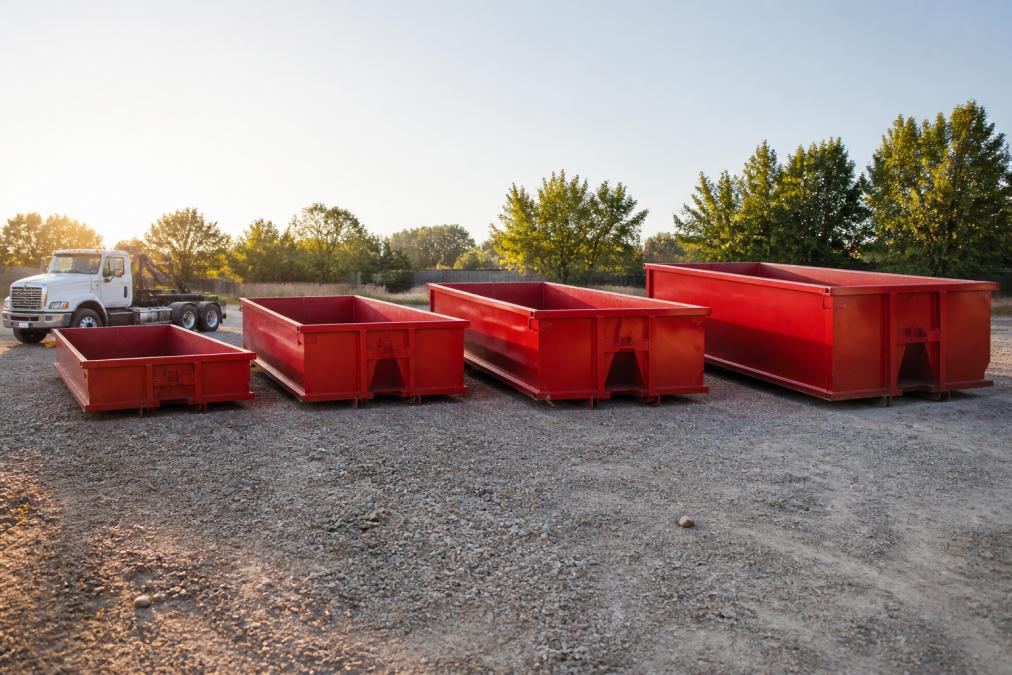
Choosing the right container is the single biggest decision in any cleanout, and roll off dumpster sizes Austin homeowners and contractors pick usually come down to one thing: how much space the debris actually takes up. This guide from Austex Dumpsters breaks down the four sizes we stock, what each one holds, and how to match a container to your project before you book.
| Size | Best For | Heavy Material Allowed? |
|---|---|---|
| 15-yard | Heavy debris, small cleanouts | Yes, required for concrete, dirt, brick, rock |
| 20-yard | Mid-size renovations, roofing tearoffs | No |
| 25-yard | Large remodels, bulky waste | No |
| 30-yard | Whole-home cleanouts, big construction | No |
How to Choose the Right Dumpster Size for Your Project
The right size comes down to volume, not weight, for most household and construction debris. Estimate how much space your material fills, then pick the smallest container that covers it with a little room to spare.
Start With the Footprint, Not the Pile
Every roll-off container shares a similar footprint but differs in height, so the fastest way to judge capacity is to compare wall heights. A 15-yard container is the shortest of the four we stock, a 30-yard is the tallest, and the 20- and 25-yard sit between them. When you stand next to a delivered container, the wall height tells you how much vertical room you have to stack debris.
Estimating Volume by Debris Type
A cubic yard is a cube three feet on each side. A 15-yard container holds about 15 of those cubes, and so on up the line. The trick is that different materials pack very differently, so the same cubic yardage can represent a very different pile on the ground.
- Roofing shingles: Heavy and dense. A tearoff from an average home usually fills a 20-yard container, and shingles should never be mixed into a heavy-material load.
- Drywall and plaster: Breaks into flat sheets that stack tightly, so a single-room gut often fits in a 15-yard.
- Yard waste and branches: Bulky and springy. It fills space fast without weighing much, so a large yard cleanup can push you toward a 25- or 30-yard.
- Furniture and appliances: Odd shapes leave air gaps. A whole-home cleanout with couches, mattresses, and appliances typically needs a 25- or 30-yard.
- Concrete, dirt, brick, and rock: Dense and heavy. These must go in a 15-yard container regardless of how small the pile looks.
A Simple Volume Formula You Can Do in Your Head
Picture the pile as a box. Multiply length by width by height in feet, then divide by 27 to convert to cubic yards. A pile 9 feet long, 6 feet wide, and 3 feet tall is 162 cubic feet, or about 6 cubic yards. Add a cushion of 20 to 30 percent for air gaps and uneven loading, and you land near 8 cubic yards, which fits comfortably in a 15-yard container.
Project-to-Size Starting Points
- Small bathroom remodel: 15-yard
- Single-room cleanout: 15-yard
- Roofing tearoff on an average home: 20-yard
- Kitchen or multi-room renovation: 20-yard to 25-yard
- Whole-home cleanout: 25-yard to 30-yard
- New construction or large demolition: 30-yard
These are estimates, not measurements. Walk your project and picture the pile before you commit.
When to Size Up Instead of Down
Sizing up costs less than a second delivery. If your estimate lands between two sizes, take the larger one. Bulky items like furniture, appliances, and yard waste eat space fast because they don’t pack tightly.
A common mistake is measuring loose debris by weight instead of volume. A couch and a stack of drywall can weigh the same but fill wildly different amounts of space. Estimate the pile, not the scale.
Heavy Material Disposal Requirements: What Goes in a 15-Yard Container
Heavy material disposal requirements start with one hard rule: concrete, dirt, brick, and rock must go in a 15-yard dumpster. These materials are dense, and a larger container filled with them can exceed safe hauling weight.
- Concrete: 15-yard only
- Dirt and soil: 15-yard only
- Brick and block: 15-yard only
- Rock and gravel: 15-yard only
- Mixed general debris: any size
Clean Concrete Disposal Benefits: Tonnage Breaks and Recycling
Clean concrete disposal benefits both your project and the environment. When a 15-yard container is filled with clean concrete, dirt, brick, or rock and nothing else mixed in, customers may qualify for a break on tonnage.
- Keep heavy material separate from general trash
- Don’t toss packaging or scraps into a concrete load
- Load heavy material first, then stop
Mixing trash into a clean concrete load kills the tonnage break and can trigger extra handling. Keep the heavy container pure.
Permits, Placement, and Delivery Logistics in Austin
Most driveway placements don’t need a permit, but anything that sits in the street or blocks a public right-of-way usually does. Here’s how to think through the permit question before you book, and how to make drop-off day go smoothly.
Do You Need a Right-of-Way Permit?
A right-of-way permit is generally required when a container sits in a public street, alley, or sidewalk. If the dumpster stays on your driveway or private lot, you typically skip the permit. The dividing line is whether the container touches public property.
Fill Out Form to Request Dumpster Rental →
How the Right-of-Way Permit Process Usually Works
The City of Austin issues right-of-way permits through its transportation and public works departments. The general flow looks like this:
- Confirm the placement. Decide whether the container will sit in the street, a parking lane, or a sidewalk. Each has different requirements.
- Apply before delivery. Submit the permit application through the city’s online portal or permitting office. Turnaround varies, so build in lead time.
- Provide site details. Expect to describe the address, the container size, the placement, and how long it will stay.
- Post and protect. Many right-of-way permits require reflective markings, cones, or barricades so the container is visible to traffic and pedestrians.
- Keep the permit on site. Inspectors may ask to see it during the rental.
City of Austin right-of-way and permitting information
Placement Rules That Keep You Out of Trouble
Even with a permit, placement matters. A container that blocks a driveway, fire hydrant, mailbox, or storm drain can be ticketed or towed. Keep the container clear of:
- Fire hydrants and emergency access lanes
- Neighboring driveways and mailboxes
- Storm drains and gutters
- Low-hanging utility lines and tree branches
Driveway Protection and Drop-Off Day
Protect your concrete before the truck arrives. Lay down plywood boards under the container’s rails to spread the weight and prevent scuffing. Clear the path so the truck has room to back in and set the container flat.
- Measure your driveway width before booking
- Remove low branches and parked cars
- Mark any sprinkler heads or buried lines
- Confirm the drop spot with the driver
Placing a container in the street without the required right-of-way permit can lead to fines or forced removal. When in doubt, ask the city before you book.
Rental Periods, Scheduling, and Avoiding Overage Fees
Standard rentals run for a set number of days, and overage fees kick in when you keep the container longer or fill it past the included weight. Plan your project timeline before you book to avoid both.
- Weight overage: Know your tonnage limit and keep heavy material in the 15-yard
- Time overage: Schedule pickup as soon as your project wraps
- Contamination: Keep clean loads clean for tonnage breaks
The cheapest rental is the one that matches your project. Right size, right timeline, no overage.
Roll-Off vs. Bagster: Which Fits Your Cleanout?
Bagster-style bags suit tiny jobs, but a roll-off container wins for anything with real volume or heavy material. A bag holds a few hundred pounds and sits curbside; a roll-off holds cubic yards and handles dense loads.
| Feature | Bagster Bag | Roll-Off Container |
|---|---|---|
| Capacity | Small, limited weight | 15 to 30 cubic yards |
| Heavy material | Not suitable | 15-yard handles concrete, dirt, brick, rock |
| Placement | Curbside pickup | Driveway or jobsite |
| Best for | Tiny cleanouts | Renovations, roofing, construction |
Conclusion: Match the Container to the Load
The hardest part of any cleanout is guessing the size, and guessing wrong costs time and money. Match the container to your load, keep heavy material in the 15-yard, and keep clean loads clean to earn the tonnage break.
Frequently Asked Questions
What sizes do roll-off dumpsters come in?
Roll-off containers are measured in cubic yards, and the sizes available in Austin run from 15-yard to 30-yard containers. Each size suits a different mix of debris and space. A 15-yard works for heavy material like concrete, dirt, brick, or rock, as well as general debris. The 20-, 25-, and 30-yard containers handle bulkier light loads such as furniture, drywall, roofing shingles, and yard waste. Pick based on both the volume of debris and its weight.
How do I determine which dumpster size I need for my debris?
Start by estimating volume in cubic yards: roughly 1 cubic yard covers about 4 kitchen trash bags of loose debris, or a pickup-truck bed filled level. Then weigh the material type. Heavy debris like concrete, dirt, brick, or rock must go in a 15-yard container because larger containers can exceed tonnage limits. For light bulky items, size up. When in doubt, call Austex Dumpsters and describe your project; their team gives sizing guidance before delivery.
Can I put heavy materials like concrete in any dumpster size?
No. Large amounts of heavy material such as concrete, dirt, brick, or rock must go in a 15-yard dumpster. Larger containers are not rated for that kind of concentrated weight and can be damaged or exceed tonnage limits during hauling. If your project involves a concrete slab removal, a dirt excavation, or a brick tearoff, reserve a 15-yard container specifically for that material and keep it free of other debris.
What is the best dumpster size for a home renovation project?
For a typical kitchen or bathroom remodel with cabinets, tile, drywall, and old fixtures, a 20-yard container usually fits the volume. A whole-home renovation or a roofing tearoff often needs a 25- or 30-yard container because shingles and framing are bulky but relatively light. If your renovation includes concrete, dirt, brick, or rock, plan a separate 15-yard dumpster for those materials so you do not risk overage fees or a refused load.