
Table of Contents
- Understanding Roll-Off Dumpster Sizes and Capacity
- Dumpster Rental Sizing Guide: Matching the Right Container to Your Project
- What Fits in a 15-Yard Dumpster: Materials and Load Limits
- How to Dispose of Heavy Construction Debris Properly
- Delivery, Placement, and Space Requirements
- Rental Terms, Permits, and Prohibited Items
- Loading Tips and Safety Best Practices
- Booking Your Dumpster and Getting a Quote
- Frequently Asked Questions
Last Updated: October 2, 2026
Understanding Roll-Off Dumpster Sizes and Capacity
When you need to rent roll-off dumpster services, choosing the right size prevents unnecessary costs and project delays.
A roll-off dumpster is delivered to your property, filled at your pace, and picked up when full or at the end of your rental period.
Why Size Matters for Your Project
The biggest mistake is guessing at debris volume, overestimating wastes money, underestimating creates overage fees or delays.
The right size keeps your project moving without surprises or wasted costs.
Cubic Yard Capacity and Weight Limits
Roll-off dumpsters are measured in cubic yards, one cubic yard equals 27 cubic feet, roughly the size of a standard refrigerator.
Each dumpster size has both a volume limit and a weight limit, whichever you hit first determines capacity. Light materials like drywall won’t hit the weight limit, but heavy materials like concrete or dirt will.
Material type matters as much as volume, the same cubic yards of light debris might weigh 3-4 tons, while concrete could weigh 20+ tons.
Dumpster Rental Sizing Guide: Matching the Right Container to Your Project
Choosing the correct size starts with understanding your project, home renovations, roofing tearoffs, and landscaping cleanups generate different debris volumes and weights.
When you rent roll-off dumpster capacity, pick the smallest container that holds your full project’s debris, anything larger wastes money, anything smaller creates delays.
Residential Cleanouts and Home Renovations
Home renovation and cleanout projects typically involve mixed debris: old flooring, drywall, cabinets, fixtures, and household items.
A kitchen or bathroom renovation usually fits in a 15-yard dumpster; a whole-house cleanout or multi-room renovation might need a 20-yard container. Estimate debris volume honestly, don’t underestimate space for furniture, appliances, and accumulated items.
A single-room renovation produces far less waste than gutting multiple rooms; basement or attic cleanouts often require more space than expected.
Construction Debris and Demolition Projects
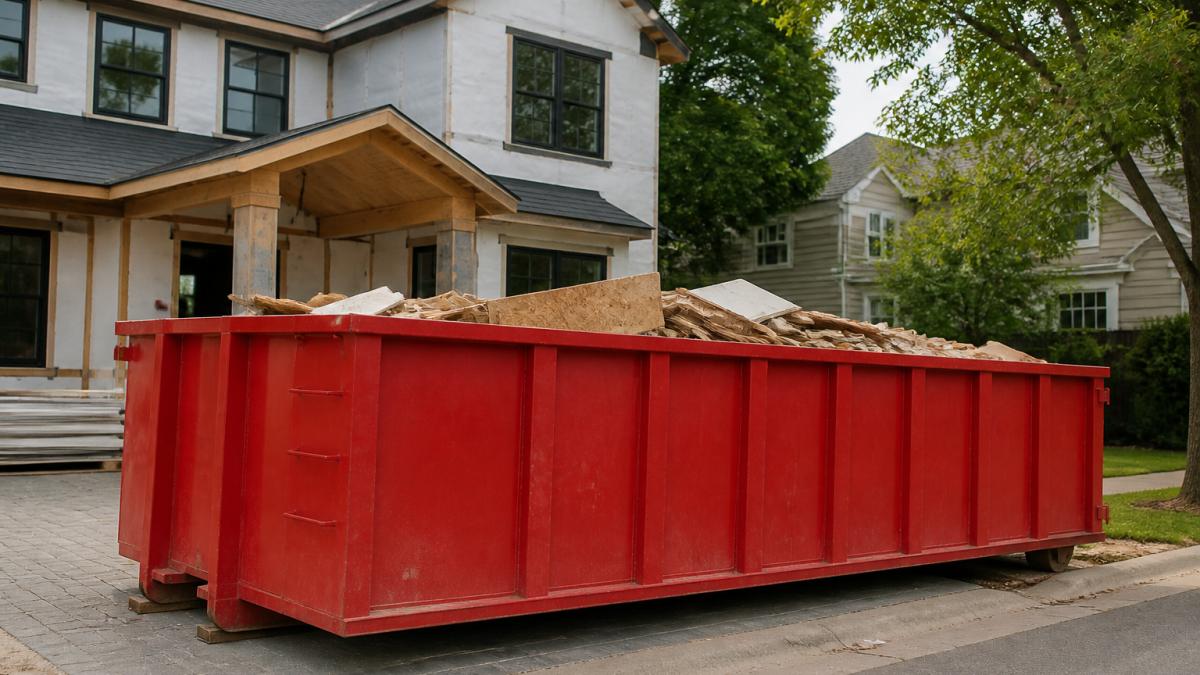
Construction sites generate heavy, bulky debris, framing lumber, concrete chunks, roofing materials, and demolition waste are denser than household items.
A roofing tearoff produces significant volume depending on roof size and material.
Demolition work is unpredictable, you don’t know what’s hidden until you start removing it.
What Fits in a 15-Yard Dumpster: Materials and Load Limits
The 15-yard dumpster is the most versatile size for residential and small commercial projects. Understanding what goes in prevents rejected loads and overage charges.
Acceptable Materials for 15-Yard Dumpsters
A 15-yard dumpster accepts most household and light construction debris: drywall, wood framing, insulation, roofing shingles, flooring, and fixtures.
Appliances, furniture, and yard waste fit in a 15-yard dumpster as long as hazardous or restricted items aren’t included.
Light metals, aluminum, cardboard, and packaging materials are acceptable, if it’s not prohibited and it fits, it can go in.
Heavy Materials: Concrete, Dirt, Brick, and Rock
Large amounts of heavy materials, concrete, dirt, brick, or rock, must go in a 15-yard dumpster. These materials are too dense and heavy for other container sizes.
Concrete from driveway removal, dirt from excavation, brick from demolition, and landscaping rock all belong in a 15-yard dumpster designed to handle the load.
How to Dispose of Heavy Construction Debris Properly
Heavy construction debris requires specific handling. It’s not just about loading it into a container, it’s about preparing it correctly and understanding where it ends up.
Separation and Preparation for Disposal
The first step is separating heavy materials from everything else.
If you’re removing concrete, break it into manageable pieces.
Dirt should be relatively dry. Wet soil weighs more and can compact into the dumpster, making it difficult to remove.
Brick and rock should be sorted from other debris.
Environmental Impact and Recycling Options
Heavy construction materials have significant environmental impact if disposed of improperly.
When you separate these materials and dispose of them correctly, they often avoid landfills entirely.
Ask your waste management provider about recycling options for heavy materials. Many facilities have specific programs for concrete, brick, and rock.
Delivery, Placement, and Space Requirements
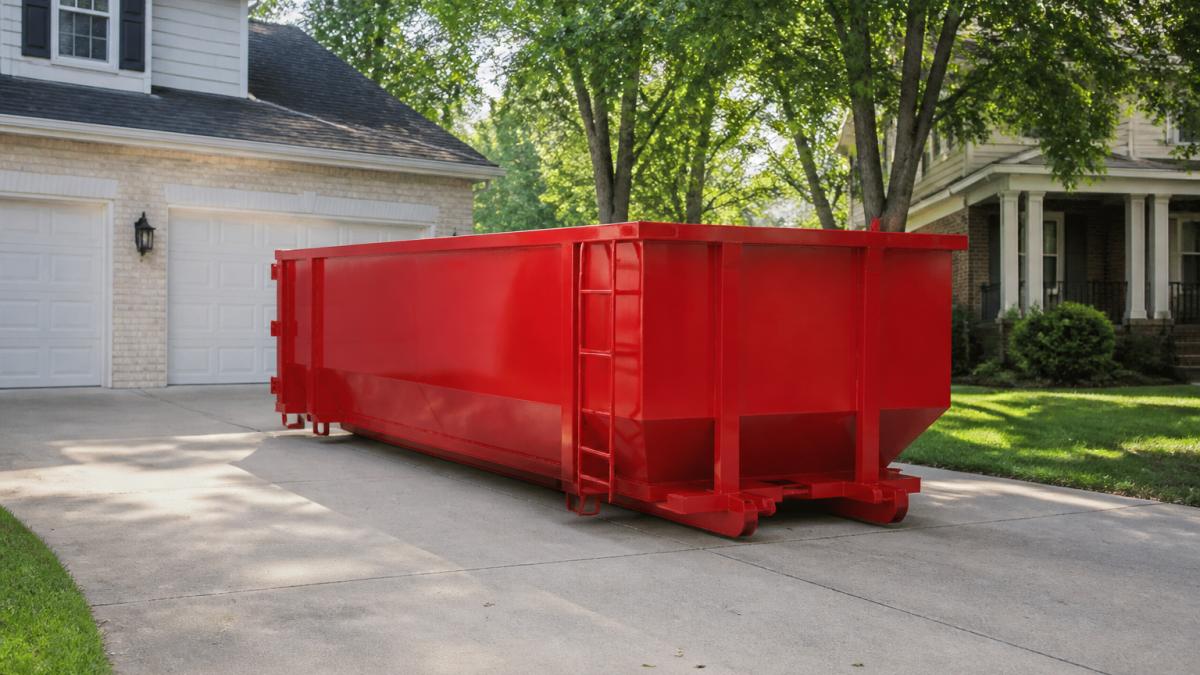
Getting your dumpster delivered and positioned correctly is as important as choosing the right size. Improper placement can damage your property or create safety hazards.
Preparing Your Property for Dumpster Delivery
Before your dumpster arrives, identify the best location. The area should be relatively flat and clear of obstacles.
Check for overhead obstacles like power lines, tree branches, or low-hanging structures. The delivery truck needs clearance to position the dumpster safely.
Notify neighbors if the dumpster will be positioned near a property line.
Driveway Protection and Weight Distribution
If your dumpster is going on a driveway, consider protection. The weight of a full container can damage asphalt or concrete.
Fill Out Form to Request Dumpster Rental →
For gravel or unpaved surfaces, the weight can create ruts and uneven ground.
Weight distribution matters. A full 15-yard dumpster with heavy materials can weigh 20+ tons. That concentrated weight on a small area creates damage.
Rental Terms, Permits, and Prohibited Items
Understanding your rental agreement prevents surprises and ensures smooth service. Know the terms, understand permit requirements, and learn what you cannot dispose of.
Understanding Your Rental Agreement
Your rental agreement specifies the rental period, pickup schedule, and weight allowance.
The agreement outlines what happens if you exceed the weight limit. Some companies charge overage fees per ton.
Rental terms also cover damage responsibility. If the dumpster is damaged during your use, you may be liable.
Permit Requirements for Public Property
If your dumpster needs to be placed on a public street or sidewalk, you likely need a permit.
Check with your local city or county government before placing a dumpster on public property.
For private property, permits are typically not required. Confirm this with your rental company, as some jurisdictions have specific rules about residential dumpster placement.
Hazardous Materials and What You Cannot Dispose Of
Hazardous materials are prohibited in dumpsters. This includes paint, solvents, batteries, fluorescent bulbs, propane tanks, and chemicals.
Electronics, appliances with refrigerants, and items containing asbestos are also prohibited. These materials have specific disposal requirements and environmental regulations.
Tires, medical waste, and radioactive materials are strictly forbidden. Most rental companies have detailed lists of prohibited items.
Loading Tips and Safety Best Practices
How you load your dumpster affects efficiency, safety, and whether the load is accepted at the disposal facility.
Maximizing Your Dumpster Space
Start with heavy items on the bottom. Large chunks of concrete or wood framing create a solid base.
Break down large items. Furniture should be disassembled if possible. Wooden pallets can be broken apart.
Fill gaps strategically. Smaller debris can fill spaces between larger items.
Don’t overfill. The dumpster should not have debris sticking above the sides.
Staying Safe While Loading
Wear appropriate safety gear. Gloves protect your hands from sharp edges and splinters.
Lift properly. Bend at your knees, not your back. Don’t lift items that are too heavy for one person.
Watch for hazards. Nails, sharp metal edges, and broken glass are common in construction debris.
Never stand on the dumpster sides or climb inside.
Booking Your Dumpster and Getting a Quote
The final step is contacting a rental company and securing your dumpster. This process is straightforward when you know what to ask for.
Same-Day Delivery and Flexible Rental Periods
Same-day delivery is available for many projects when you call early enough.
Rental periods are flexible. Most companies offer standard 3-7 day rentals, but longer periods are available for extended projects.
Austex Dumpsters offers same-day delivery when available and flexible rental periods to match your project schedule.
How to Avoid Overage Fees and Surprise Charges
The best way to avoid overage fees is accurate sizing. When you book, describe your project in detail.
Ask about tonnage allowance included in your rental.
Confirm all costs upfront. Ask about any fees beyond the base rental price.
Contact Austex Dumpsters for a quote on your project.
Frequently Asked Questions
How much debris will a roll-off dumpster hold?
A 15-yard dumpster holds approximately 15 cubic yards of debris, roughly equivalent to 4-5 pickup truckloads. The actual capacity depends on the material’s density. Heavy materials like concrete, dirt, brick, and rock take up less space by volume but reach weight limits faster. Lighter materials like drywall or roofing debris can fill the dumpster by volume before hitting weight restrictions. Always discuss your specific project with your rental company to confirm the right size.
What types of projects are best suited for a 15-yard dumpster?
A 15-yard dumpster works well for residential cleanouts, moderate home renovations, small roofing projects, and landscaping debris removal. It’s ideal for jobs generating 4-5 truckloads of waste. For heavy construction debris like concrete, dirt, brick, or rock, a 15-yard dumpster is the appropriate choice, especially if you’re removing large amounts of these materials.
What materials are prohibited from being placed in a rental dumpster?
Hazardous materials cannot go in rental dumpsters, including paints, solvents, batteries, fluorescent lights, asbestos, electronics, and tires. Appliances with refrigerants are also prohibited. Some materials like yard waste, recyclable metals, and certain construction debris may have separate disposal options. Always confirm the complete list of prohibited items with your rental company before loading. Placing banned materials can result in additional fees and delays in pickup.
How do I prepare my property for a roll-off dumpster delivery?
Clear the delivery area of vehicles, debris, and obstacles. Identify a flat, stable location with adequate space for the dumpster’s footprint. If placing on asphalt or pavement, use plywood sheets to distribute weight and protect the surface. Ensure overhead clearance for the truck’s lift arm. Mark any underground utilities before delivery. Have someone available at the delivery time to direct the driver and confirm placement. Check that the location allows the delivery truck safe access without damaging landscaping or structures.
Choosing the right dumpster size and understanding rental terms keeps your project on schedule and your costs predictable. Heavy construction debris requires specific handling, and proper placement protects your property. When you’re ready to rent a roll-off dumpster, fill out a form to request a dumpster rental from Austex Dumpsters and get expert guidance on sizing, flexible rental periods, and same-day delivery options.