
Table of Contents
- How Dumpster Rental Cost Per Week Is Calculated
- Understanding Dumpster Rental Fees Beyond the Weekly Rate
- What Size Dumpster Do I Need for My Project
- Dumpster Rental Extension Fees and Overage Costs
- How to Compare Dumpster Rental Quotes Effectively
- Factors That Influence Your Weekly Rental Cost
- Getting the Right Dumpster at the Right Price
- Frequently Asked Questions
Last Updated: October 15, 2026
How Dumpster Rental Cost Per Week Is Calculated
Understanding dumpster rental cost per week starts with knowing what you’re paying for. At Austex Dumpsters, we break pricing into distinct components so you can compare two quotes that look identical on the surface but aren’t.
What a quoted weekly price typically includes
A weekly rate is rarely one number for one thing. Most quotes bundle four separate items:
- Rental days, the number of days the container sits on your property before pickup is scheduled.
- Included tonnage, the weight allowance that comes with your container size before overage charges begin.
- Delivery and pickup, the trucking to drop the container and haul it away.
- Disposal, the landfill or transfer station tipping fee for the material you filled it with.
Ask the company to break the weekly rate into those four lines. A single weekly figure isn’t necessarily cheaper, it may hide tonnage or disposal in a separate line that shows up later.
How weekly billing actually works
A “weekly” rate does not always mean a rolling seven-day clock. Providers commonly bill in one of three ways:
- Calendar week, the rate resets every Monday (or another fixed day), regardless of when your container was dropped.
- Seven-day period, the clock starts the day of delivery and runs seven days from that date.
- Daily rate with a weekly minimum, you pay a minimum of one week, then a per-day charge for each additional day.
The difference matters. A container delivered Thursday under a calendar-week model may cost a full week even if you keep it four days; under a seven-day model, those four days fall inside one billing period.
What happens when a rental crosses a billing boundary
If your project runs longer than the included period, the extension is priced one of two ways:
- Flat daily rate, a set dollar amount per extra day, applied until pickup.
- Percentage of the weekly rate, a fraction of your weekly charge per extra day, which is often cheaper for short extensions but more expensive for long ones.
Ask which method applies before you book. An eight-day project under a seven-day model may trigger a full second week; under a daily-extension model it may add only one day’s charge.
Ask your rental company upfront: does the weekly rate include delivery, pickup, and disposal, or are those separate charges? And is the billing period a calendar week or a seven-day period from delivery? These two questions prevent most surprise fees when the invoice arrives.
Why the rental period matters more than the rate
Most companies bill in weekly increments: an 8-day project may cost two weeks, and a 6-day project still costs one full week. Miscalculating your timeline gets expensive, which is why the billing model matters as much as the headline rate.
A quick way to compare two weekly quotes
Line up two quotes and check four things: included days, included tonnage, and whether delivery, pickup, and disposal are bundled. A lower weekly rate with less tonnage and separate disposal can cost more than a higher rate that includes both. Compare total cost for the same container size, waste type, and rental length.
Understanding Dumpster Rental Fees Beyond the Weekly Rate
The weekly rate is just the starting point. Several other fees can add to your final bill.
Overage and excess-weight fees apply when you exceed the tonnage included in your rental. If you fill a 20-yard dumpster beyond its included tonnage, you’ll pay per ton for the overage, which varies by location and waste type.
Extension fees kick in if you keep the dumpster longer than your rental period.
Permit fees may apply if your dumpster sits on a public street or sidewalk rather than private property.
Disposal and landfill fees sometimes appear separately on invoices.
Check your local municipality’s regulations on dumpster permits and placement
What Size Dumpster Do I Need for My Project
Sizing your dumpster correctly is the biggest factor in controlling your total cost.
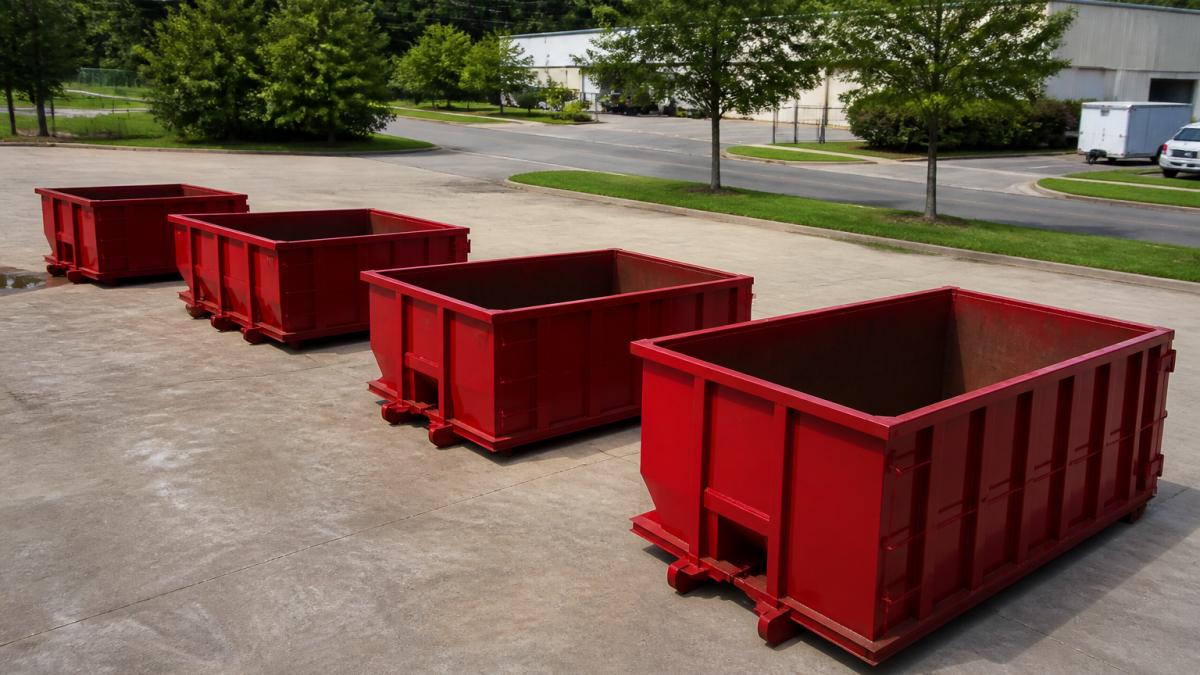
For general household cleanouts and light debris:
- A 15-yard dumpster handles most single-room cleanouts, small deck removals, or yard waste.
- This size works well for general debris without heavy materials
For renovation and construction projects:
- A 20-yard dumpster suits mid-sized kitchen or bathroom renovations.
- A 25-yard dumpster handles larger home renovation projects with moderate debris volume.
- A 30-yard dumpster is ideal for whole-house cleanouts or major construction demolition.
For heavy materials like concrete, dirt, brick, or rock:
- These materials are dense and heavy. You must use a 15-yard dumpster for large amounts of heavy material
- A 15-yard dumpster filled with clean concrete, dirt, brick, or rock with no trash or other contamination may qualify for a tonnage break, reducing your overall cost
- Do not place large amounts of heavy material in a 20-, 25-, or 30-yard dumpster
The mistake most people make is guessing. Describe your project to Austex Dumpsters and we’ll recommend the right container, getting this right saves money and prevents delays.
Underestimating your debris volume is common and costly. If you’re unsure, ask for a larger size. Paying for extra capacity is cheaper than renting a second dumpster mid-project.
Dumpster Rental Extension Fees and Overage Costs
Extension fees apply when you keep your dumpster beyond your rental period; overage charges apply when you exceed the included tonnage. Seeing both applied to a real project helps you budget accurately.
How extension fees are structured
Most companies charge extension fees one of two ways:
- Flat daily rate, a set dollar amount per extra day.
- Percentage of the weekly rate, a fraction of your weekly charge per extra day.
The percentage method is often cheaper for short extensions and more expensive for long ones. Ask which method your provider uses before you book.
How overage charges are structured
Overage charges depend on the weight limit included with your container size. Exceed the included tonnage and you pay per ton for the overage. The per-ton rate varies by waste type, yard waste typically costs less than construction debris, and heavy materials like concrete, dirt, brick, or rock are priced differently again.
Worked example: a mid-sized kitchen renovation
Suppose a homeowner rents a 20-yard dumpster for a kitchen renovation scoped for seven days, but a contractor delay keeps the container for ten. The debris is cabinetry, drywall, and flooring, general debris, not heavy material.
Fill Out Form to Request Dumpster Rental →
- Base weekly rate, covers the first seven days, delivery, pickup, and the included tonnage for a 20-yard container.
- Extension, three extra days, charged either as a flat daily rate or as a percentage of the weekly rate, depending on the provider.
- Overage, if the mixed debris weighs more than the included tonnage, the excess is billed per ton at the provider’s posted rate.
The lesson: extension and overage are separate charges. A project can stay on schedule and still trigger overage, or run long and stay under the weight limit. Budget for both.
Worked example: a concrete patio removal
Now suppose a homeowner is removing a concrete patio. Concrete is dense and heavy, so it must go in a 15-yard dumpster, large amounts of heavy material such as concrete, dirt, brick, or rock cannot go in a 20-, 25-, or 30-yard container.
Because the load is clean concrete with no trash or other contamination, it may qualify for a tonnage break, reducing the effective cost of the load.
Mixing trash into a heavy-material load can disqualify it from a tonnage break and may also violate the container rules. Keep clean concrete, dirt, brick, and rock separate from general debris.
How to avoid both charges
The best way to avoid these fees is honest project planning:
- Estimate your timeline, then add a buffer. Two extra days of buffer is cheaper than a surprise extension.
- Match container size to debris volume and weight. Too small forces a second rental; too large wastes capacity.
- Route heavy material to the right container. Large amounts of concrete, dirt, brick, or rock belong in a 15-yard dumpster, where a clean load may qualify for a tonnage break.
- Ask about the extension model before you book. Flat daily and percentage-of-weekly produce very different totals.
Extension fees and overage charges are where rental companies make money from miscalculations. Accurate sizing, correct container choice for heavy material, and a realistic timeline eliminate most of these costs.
How to Compare Dumpster Rental Quotes Effectively
Getting multiple quotes is smart, but comparing them fairly means looking beyond the headline weekly price.
Create a comparison checklist:
- What’s included in the weekly rate (delivery, pickup, weight allowance)?
- What’s the weight limit for your chosen dumpster size?
- What’s the per-ton overage charge?
- What’s the daily extension fee?
- Are permit fees included or separate?
Line up three quotes using the same dumpster size and project parameters. A lower weekly rate might include less tonnage, making the true cost higher once overages are added; a higher rate might include more tonnage and free extensions, making it the better deal.
Austex Dumpsters provides transparent pricing with no hidden fees and will answer every question on your checklist before you commit.
Consumer Reports on comparing waste management services
Factors That Influence Your Weekly Rental Cost
Several variables affect what you’ll pay for your dumpster rental cost per week. Understanding them helps you predict your final bill.
Location and service area directly impact pricing.
Waste type affects both the weekly rate and overage charges. Construction debris costs more to process than yard waste.
Dumpster size matters: a 15-yard dumpster costs less per week than a 30-yard dumpster, but the 30-yard might be cheaper overall if it eliminates a second rental.
Rental duration influences per-week costs.
Seasonal demand can shift pricing. Summer brings higher demand; winter may bring lower rates.
EPA guidelines on waste disposal and environmental impact
Getting the Right Dumpster at the Right Price
The goal isn’t the cheapest dumpster, it’s the right dumpster at a fair price with no surprises.
Get quotes from multiple companies, but compare apples to apples: same dumpster size, waste type, and timeline. Ask about included tonnage, overage fees, extension fees, and delivery options.
Austex Dumpsters combines expert sizing guidance with straightforward pricing and reliable service, helping you avoid overage fees and unnecessary extensions.
Homeowners managing renovation projects, contractors handling multiple sites, and property managers coordinating office cleanouts all benefit from clear pricing and expert guidance on dumpster sizing.
Frequently Asked Questions
What is usually included in a weekly dumpster rental price?
A weekly dumpster rental cost typically covers the container delivery, a set rental period (usually 7 days), a weight allowance, and pickup. However, what’s included varies by provider and dumpster size. Always ask your rental company to specify the included tonnage, rental duration, and whether delivery and pickup fees are part of the quoted weekly rate or charged separately. This clarity prevents surprise charges when your invoice arrives.
How do dumpster rental extension fees work if I need the dumpster longer?
If you exceed your rental period, dumpster rental extension fees apply for each additional day or week. These fees vary based on your location and the rental company. Rather than pay extension fees, estimate your project timeline generously upfront and discuss rental duration options when requesting a quote. Some providers offer discounted rates for extended periods, so asking about longer rental packages may save money compared to paying daily extension charges.
What happens if my dumpster is too heavy or too full?
Overage charges apply when your load exceeds the weight limit included in your rental agreement or when the dumpster is filled above its safe capacity. These fees can add significantly to your total cost. Before booking, estimate the weight and volume of your debris. If you’re uncertain, discuss your project details with your rental provider, they can recommend the right size and help you avoid costly overages.
How can I compare dumpster rental quotes from different companies?
Request detailed quotes that break down the weekly rental rate, delivery fee, pickup fee, included weight allowance, and any additional charges. Ask each company the same questions: What’s the rental period? What tonnage is included? Are there permit fees? What are extension or overage fees? Create a simple spreadsheet listing these items side by side. This ensures you’re comparing the full cost, not just the advertised weekly rate, and helps you spot hidden fees before committing.
Choosing the right dumpster rental means balancing size, duration, and cost. Most projects fail to stay on budget because they underestimate debris volume or miscalculate timeline. Austex Dumpsters eliminates this guesswork with expert guidance on sizing, transparent pricing with no hidden fees, and same-day delivery when you need it. Fill out a form to request your dumpster rental and get a straightforward quote today.