
Table of Contents
- Why Choosing the Right Dumpster Size Matters
- How to Estimate Debris Volume Before You Rent
- Dumpster Size Comparison: 15, 20, 25, and 30 Yards
- Heavy Material Disposal Requirements: What Goes in a 15-Yard Only
- Clean Concrete Disposal Benefits and the Tonnage Break
- Project-by-Project Guide: How to Choose Dumpster Size
- Site Placement, Footprint, and Permit Basics
- Conclusion
Last Updated: August 16, 2026
Why Choosing the Right Dumpster Size Matters
Choosing the right dumpster size before you rent is critical to project success. Get it wrong and you pay twice: undersizing forces a second haul that costs more and delays your timeline; oversizing means paying for capacity you never used. At Austex Dumpsters, we’ve guided hundreds of homeowners, contractors, and property managers through this decision. The right choice comes down to three things: your debris volume, your material type, and your site constraints.
Below, we’ll walk through how to estimate debris volume, compare every size we offer, and match the right container to your project. We’ll also cover why heavy materials like concrete and brick follow different rules than general debris, and how that can work in your favor on tonnage costs.
How to Estimate Debris Volume Before You Rent
Estimating debris volume is the foundation of choosing the right container size. The goal is to translate a messy pile of waste into a cubic yard figure you can match against a dumpster’s rated capacity.
A cubic yard is a cube measuring 3 feet on each side. Most roll-off containers are measured in cubic yards, so developing an intuition for that unit saves guesswork.
The Pickup Truck Method
A standard full-size pickup truck bed holds roughly 2 to 3 cubic yards of loose debris. Count how many truckloads your project would generate, then multiply by 2.5 as a midpoint estimate. Round up, not down. Debris packs less efficiently in a roll-off than expected because you’re loading it in layers. If your estimate lands on the border between two sizes, choose the larger option. The cost difference between sizes is typically smaller than the cost of a second haul.
Room-by-Room Estimation for Home Cleanouts
For home cleanouts, a room-by-room approach gives a more reliable estimate than eyeballing the whole house.
A furnished room typically generates 1 to 3 cubic yards of debris, depending on how heavily it’s packed and whether large furniture is included. Use this framework:
| Space | Estimated Debris Volume |
|---|---|
| Small bedroom | 1-2 cubic yards |
| Large bedroom or living room | 2-3 cubic yards |
| Kitchen (appliances, cabinets) | 2-4 cubic yards |
| Bathroom (fixtures, tile) | 1-2 cubic yards |
| Garage (full cleanout) | 3-6 cubic yards |
| Attic or basement | 3-8 cubic yards |
Add up your totals, then add a 20% buffer for underestimation. That final figure is what you match against container capacity.
Dumpster Size Comparison: 15, 20, 25, and 30 Yards
Choosing the right roll-off container means matching disposal capacity to your actual waste stream. Austex Dumpsters offers four sizes designed to cover the full range of residential and commercial projects.
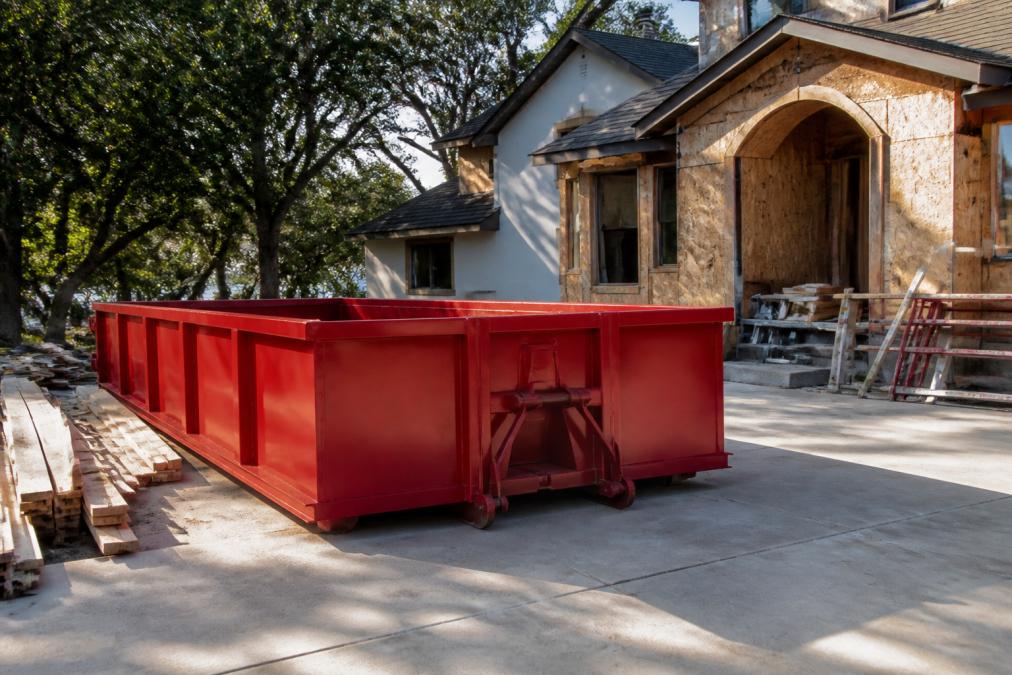
Here’s a quick reference:
| Size | Approximate Dimensions | Best For | Heavy Materials Allowed |
|---|---|---|---|
| 15-yard | 12 ft long × 7.5 ft wide × 4 ft tall | Small cleanouts, heavy debris, concrete | Yes (required for large amounts) |
| 20-yard | 16 ft long × 7.5 ft wide × 4.5 ft tall | Mid-size renovations, roofing, cleanouts | General debris only |
| 25-yard | 18 ft long × 7.5 ft wide × 5 ft tall | Larger remodels, multi-room projects | General debris only |
| 30-yard | 22 ft long × 7.5 ft wide × 6 ft tall | Major construction, large commercial jobs | General debris only |
Dimensions are approximate and may vary. Contact Austex Dumpsters for exact specifications.
15-Yard Roll-Off Dumpster
The 15-yard container is the most versatile size and the only one rated for large amounts of heavy material. It holds approximately 15 cubic yards of debris, equivalent to six to seven full pickup truck loads.
For general cleanup, a 15-yard handles small bathroom remodels, single-room renovations, minor yard waste, and light construction debris. Where it becomes the required choice is heavy material disposal. Large quantities of concrete, brick, dirt, or rock must go in a 15-yard container. This is a structural and safety requirement tied to weight limits and hauling capacity. The lower profile also makes it easier to load heavy material by hand.
20-Yard Roll-Off Dumpster
The 20-yard container is ideal for mid-size residential projects where debris volume exceeds what a 15-yard can handle, but the material is general construction waste rather than heavy debris.
This size is commonly chosen for kitchen remodels, flooring tearouts across multiple rooms, roofing jobs on smaller homes, and moderate yard cleanouts. It holds roughly 20 cubic yards of debris, equivalent to eight to ten pickup truck loads. The additional height allows efficient stacking of lighter materials like drywall, lumber, and shingles.
For roofing jobs, estimate roughly 1 cubic yard of debris per square of roofing material removed. A standard 20-square roof tearoff typically fits comfortably in a 20-yard container.
25-Yard Roll-Off Dumpster
The 25-yard container is the right call for larger remodeling projects that don’t quite justify a 30-yard bin.
Multi-room renovations, full kitchen and bathroom gut jobs, and larger residential cleanouts are natural fits. At roughly 25 cubic yards of capacity, you’re looking at ten to twelve pickup truck loads of general debris. Site accessibility becomes more important when placing this size on a residential driveway.
30-Yard Roll-Off Dumpster
The 30-yard container is built for the largest residential projects and commercial jobs where debris volume is substantial.
Major construction teardowns, full home cleanouts, large commercial office cleanouts, and multi-phase renovation projects are where this size is needed. It holds approximately 30 cubic yards of debris, equivalent to twelve to fifteen pickup truck loads. The bin footprint is significant and requires careful placement planning.
Heavy Material Disposal Requirements: What Goes in a 15-Yard Only
Large amounts of heavy material, specifically concrete, dirt, brick, and rock, must go in a 15-yard dumpster. These materials cannot be placed in 20-, 25-, or 30-yard containers in large quantities. The reason is weight density. Heavy materials are dramatically denser than general construction debris, and a larger container filled with them would exceed safe hauling weight limits before it’s visually "full."
According to Federal Motor Carrier Safety Administration’s weight limit regulations, commercial vehicles have strict gross weight limits that govern how much a loaded container can legally weigh on public roads.
The practical implication: if your project involves demolishing a concrete slab, removing a brick retaining wall, or excavating dirt for landscaping, plan on a 15-yard container regardless of job size. If volume exceeds what one 15-yard can hold, you’ll need multiple loads rather than a single larger container.
Mixing heavy materials like concrete or brick with general trash in a 15-yard container eliminates the tonnage break benefit. Keep heavy material loads clean and uncontaminated if you want to qualify for reduced tonnage rates.
Clean Concrete Disposal Benefits and the Tonnage Break
Clean concrete disposal benefits are one of the most overlooked cost advantages in dumpster rental, and they apply specifically to the 15-yard container.
When a 15-yard dumpster is filled exclusively with clean concrete, dirt, brick, or rock, with no trash, mixed debris, or contamination, customers may qualify for a break on tonnage charges. This is a meaningful financial advantage on demolition and excavation projects where heavy material volume is high.
The clean concrete disposal benefit works because separated, uncontaminated heavy material can be processed differently at disposal facilities. As documented in EPA guidance on construction and demolition debris recycling, clean concrete and masonry materials are among the most recyclable waste streams in the construction industry.
To qualify, the load must be uncontaminated. No drywall, wood scraps, shingles, or general trash mixed in. If your project generates both heavy material and general debris, the most cost-effective approach is often to use a 15-yard container for the heavy material first, then rent a separate container for the remaining general debris.
Project-by-Project Guide: How to Choose Dumpster Size
The fastest way to choose dumpster size is to match your project type to the debris profile it typically generates.
Home Renovations and Remodeling
A single bathroom remodel with tile removal and fixture replacement typically fits in a 15-yard container. A full kitchen gut with cabinetry, countertops, flooring, and drywall usually requires a 20-yard. Multi-room remodels covering two or more major spaces generally call for a 25-yard or 30-yard depending on scope.
If your renovation involves removing load-bearing walls, concrete subfloors, or brick features, that heavy material must go in a 15-yard container, potentially alongside a separate container for general remodeling debris.
Roofing Tearoffs
Roofing waste is dense but not in the same category as concrete or brick. Shingles, underlayment, and flashing are general construction debris for container selection purposes.
A 20-yard container handles most residential roofing jobs. Larger roofs on two-story homes or commercial structures may require a 25-yard. The key variable is the number of shingle layers being removed.
Stack shingles flat in the container rather than tossing them in at angles. Flat stacking increases effective capacity by 15 to 20% compared to random loading.
Yard Cleanups and Landscaping
Yard waste and landscaping debris are high-volume but low-density. Brush, tree branches, sod, and light soil generate a lot of cubic footage but weigh relatively little. A seasonal yard cleanup or light landscaping project typically fits in a 15-yard or 20-yard container.
Soil and dirt are the exception. Large amounts of excavated dirt must go in a 15-yard container, consistent with the heavy material rule. If your landscaping project involves grading, trenching, or significant excavation, plan for that material to be handled separately.
Commercial and Office Cleanouts
Commercial cleanouts present a different challenge than residential projects: the debris is often lighter per cubic yard, but the volume is higher and the timeline is compressed.
Office furniture, filing cabinets, partitions, and general office waste are low-density materials that fill space quickly. A single office suite cleanout typically fits in a 20-yard or 25-yard container. Full-floor or multi-floor commercial cleanouts often require a 30-yard.
According to OSHA guidelines on worksite waste management, commercial job sites are required to maintain organized waste disposal practices that prevent hazards, which makes having an appropriately sized container on-site a compliance consideration as well as a logistical one.
Site Placement, Footprint, and Permit Basics
Site accessibility is the constraint that overrides every other sizing decision. A 30-yard container is useless if it can’t physically fit on your property or reach the work area.
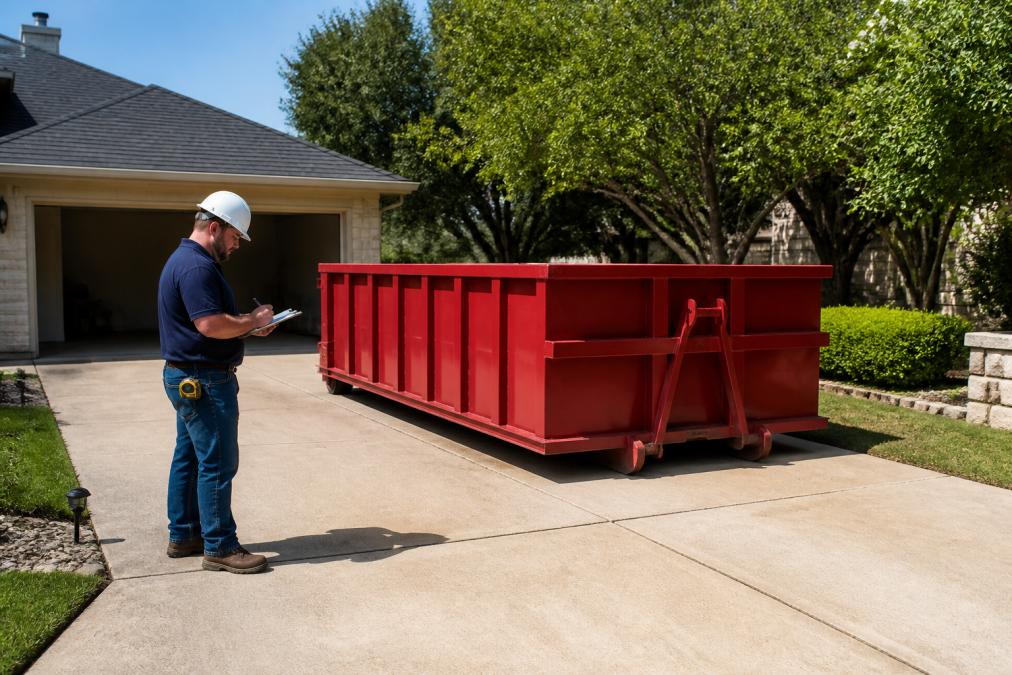
Roll-off containers require a flat, stable surface that can bear the weight of the container plus its loaded debris. Paved driveways are the most common placement surface for residential projects. Gravel and compacted dirt surfaces can work, but soft or uneven ground creates delivery and pickup complications.
Driveway protection is worth considering before delivery. Placing plywood sheets under the container’s contact points distributes weight and reduces the risk of surface damage, particularly on older asphalt.
Footprint planning checklist:
- Measure the available space on your driveway or placement area
- Confirm overhead clearance (trees, power lines, overhangs) for delivery truck access
- Verify the surface is flat and stable enough to support a loaded container
- Identify whether the container will block any access routes that need to stay open
- Check whether the placement location requires a permit
Placing a roll-off container on private property, such as your own driveway, typically does not require a permit. Placing one on a public street or in a right-of-way almost always does, and permit requirements vary by municipality. Check with your local city or county public works department before scheduling street placement. Getting this wrong can result in fines or forced container removal, which disrupts your project timeline.
The rental agreement you sign with your hauling service will specify acceptable placement locations and any restrictions that apply. Read it before the container arrives.
Frequently Asked Questions
Do I need a 15-yard or 20-yard dumpster for my project?
A 15-yard dumpster handles smaller projects like a single-room cleanout, bathroom remodel, or moderate yard debris. If your project spans multiple rooms, a full-floor renovation, or a roofing tearoff on an average-sized home, a 20-yard roll-off container is usually the safer call. When in doubt, size up, a second rental trip costs more than getting the right container from the start. If your debris is primarily concrete, dirt, brick, or rock, a 15-yard is required regardless of volume.
How do I calculate the volume of my waste before renting?
Start with the pickup truck method: a standard pickup bed holds roughly 2 cubic yards of debris. Estimate how many truckloads your project would fill, then divide by the container size to see which roll-off fits. For home cleanouts, walk each room and estimate the debris pile it would create. Add 20% as a buffer for waste that compresses less than expected. This approach helps you choose dumpster size accurately and avoid overage charges from an overloaded container.
What materials are restricted from certain dumpster sizes?
Large amounts of heavy material, concrete, dirt, brick, and rock, must go into a 15-yard dumpster only. These materials are too dense for larger containers and can exceed safe load capacity limits. Hazardous materials such as asbestos, chemicals, and certain paints are restricted from all roll-off containers under standard rental agreements. Always confirm what your hauling service accepts before loading to avoid disposal regulation issues and unexpected fees.
How much space do I need on my property for a roll-off dumpster?
A 15-yard container typically measures around 12 feet long, while a 30-yard unit can run 22 feet or more. Plan for at least 2 feet of clearance on each side and confirm overhead clearance of at least 18 feet for the delivery truck's lift arm. Driveways work well for most placements, but you may want plywood boards underneath to protect the surface. Street placement often requires a local permit, so check with your municipality before scheduling delivery.
Choosing the right dumpster size is straightforward once you know your debris volume, your material type, and your site constraints. Austex Dumpsters takes the guesswork out of that process with expert guidance on sizing, same-day delivery when available, and competitive, transparent pricing. Fill out the form to request your dumpster rental and get the right container delivered to your project site without the delays or overage surprises that come from getting the size wrong.
This article was written using GrandRanker