
Table of Contents
- Why Roofing Contractors Need Reliable Waste Removal
- Dumpster Size Guide for Roofing Contractors
- Construction Debris Removal Best Practices
- Preventing Downtime on Roofing Jobs
- How Professional Dumpster Services Reduce Overhead Costs
- Selecting the Right Contractor for Your Waste Management Needs
- Avoiding Common Mistakes That Delay Roofing Projects
- Frequently Asked Questions
Last Updated: September 29, 2026
Why Roofing Contractors Need Reliable Waste Removal
Roofing projects generate massive amounts of debris fast. Shingles, underlayment, flashing, nails, and old materials pile up quickly. Without a solid waste management plan, your job site becomes chaotic. Materials block walkways. Debris spills into yards. Work slows down. Costs climb.
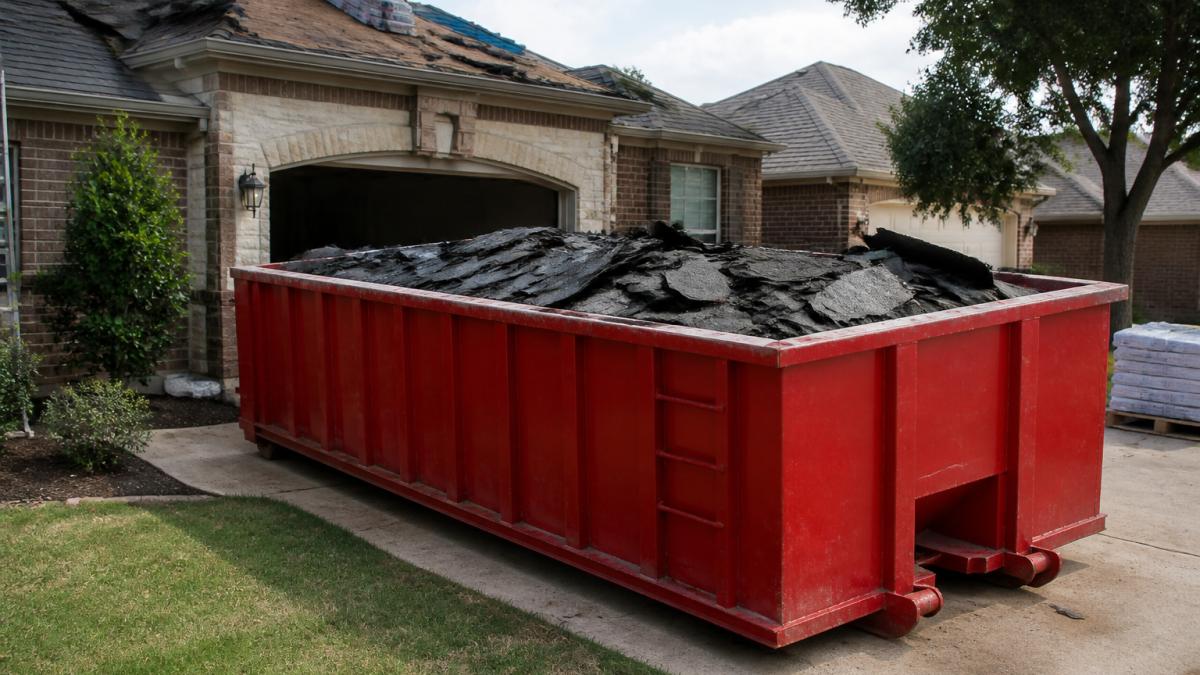
The difference between a smooth project and a delayed one often comes down to having the right dumpster in the right place at the right time. Roll-off roofing contractors dumpsters keep your crew focused on the roof, not waste management.
Contractors who plan their debris removal strategy early save time, money, and stress. The difference is clear: undersized containers derail jobs, while upfront planning keeps roofing contractors moving.
Dumpster Size Guide for Roofing Contractors
Picking the wrong dumpster size is expensive, too small means a mid-job second rental, too large means wasted money. For roofing work, size matters because different materials and job scales require different solutions.
15-Yard Dumpsters for Heavy Materials
A 15-yard dumpster handles large amounts of heavy material such as concrete, dirt, brick, and rock from tearoffs and structural work. If your roofing project involves heavy substrate or substantial structural debris, the 15-yard is built for that load.
The key advantage: when you fill a 15-yard dumpster with clean concrete, dirt, brick, or rock with no trash or other contamination mixed in, you may receive a break on tonnage. That’s a real cost savings for heavy tearoff jobs. Keep materials separated and clean to maximize that benefit.
20-Yard and 25-Yard Options for Standard Roofing Projects
The 20-yard dumpster handles typical residential tearoffs and reroof jobs efficiently. The 25-yard adds capacity for larger homes or multi-unit projects. Choose based on your square footage and material volume. These mid-range sizes fit most job sites and hold enough material to avoid a second pickup during the job. Remember, large amounts of heavy material such as concrete, dirt, brick, or rock must go in a 15-yard dumpster.
30-Yard Dumpsters for Large-Scale Tearoffs
A 30-yard dumpster handles large commercial roofs or major multi-family projects, containing high-volume tearoffs in one container without mid-job pickups. Keep in mind that large amounts of heavy material such as concrete, dirt, brick, or rock must be placed in a 15-yard dumpster.
Construction Debris Removal Best Practices
Smart debris management keeps jobs moving. Here’s how experienced roofing contractors dumpsters are used by professionals to handle it.
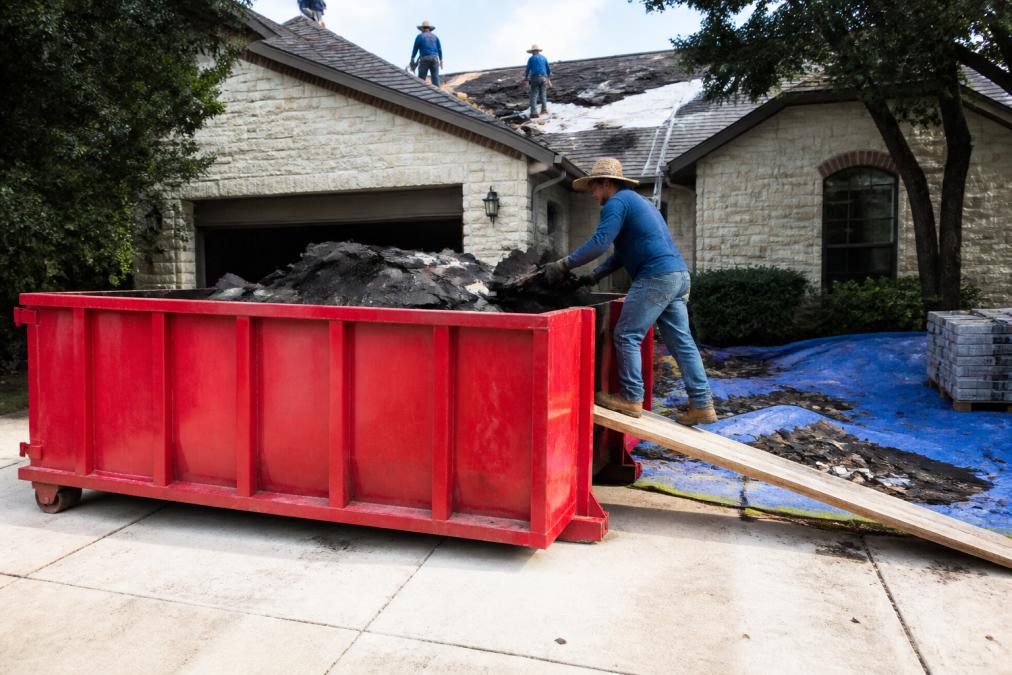
Stack shingles flat rather than on edge. You’ll fit 30-40% more material in the same space, which means fewer pickups and lower overall costs.
Monitor fill levels daily. Call for pickup before overflow to avoid expensive overage fees.
Preventing Downtime on Roofing Jobs
The single biggest cause of roofing project delays is waiting for debris removal. Lock in your dumpster schedule before you start work.
Stack materials efficiently to avoid a second dumpster. Better organization often outperforms a larger container loaded carelessly.
How Professional Dumpster Services Reduce Overhead Costs
Overhead costs add up fast in roofing. Labor, equipment, materials, insurance, every dollar matters. Waste management is one overhead item you can actually control and measure.
The Hidden Cost of Improvised Debris Removal
Many contractors try to save money by skipping a professional dumpster service. Instead, they improvise. The math looks bad on paper until you calculate what improvisation actually costs.
Professional Service ROI: The Numbers
A professional roll-off dumpster eliminates hidden costs: zero crew time on waste removal, single predictable rental cost, faster project completion, reduced liability, and accurate job bidding.
The Tonnage Break Advantage
When you fill a 15-yard dumpster with clean concrete, dirt, brick, or rock with no trash or other contamination mixed in, you may receive a break on tonnage. For roofing contractors handling tearoffs with heavy structural debris, this benefit directly reduces your per-project waste-removal cost. Keeping materials separated and clean maximizes this savings.
Why Cheap Services Cost More
Choosing a dumpster provider based solely on the lowest quote often backfires. A provider that doesn’t show up on time, doesn’t have the right size available, or doesn’t understand roofing debris creates delays that cost far more than any price difference. A reliable provider is worth the investment because they keep your crew productive.
Fill Out Form to Request Dumpster Rental →
Selecting the Right Contractor for Your Waste Management Needs
Choosing the right dumpster partner directly impacts project smoothness and timeline protection. A structured vetting process eliminates guesswork.
The Roofing-Specific Vetting Checklist
Before signing a contract, verify these operational and reliability factors:
Experience & Expertise
- Does the provider have documented experience serving roofing contractors? Ask for references from roofing companies they’ve worked with in the past 12 months.
- Can they articulate the difference between roofing debris and general construction waste? A knowledgeable provider asks about project scope before recommending size.
- Do they understand heavy-material handling? Confirm they know the 15-yard requirement for concrete, dirt, brick, or rock.
Availability & Responsiveness
- What is their standard delivery window? Same-day or next-day is acceptable; multi-day waits create delays.
- How do they handle schedule changes with minimal notice?
- What communication channels do they offer? Verify you can reach them quickly during your project.
- Do they have a documented response-time standard for calls and emails?
Sizing Guidance & Accuracy
- Do they ask diagnostic questions about square footage, material type, and project duration before recommending size?
- Can they explain why they’re recommending a specific size?
- Do they offer sizing adjustments if you’re uncertain?
Pricing Transparency
- Is their pricing structure clearly documented in writing? Demand a written quote specifying all costs and weight or tonnage limits.
- Are there hidden fees? Ask explicitly about overage charges, late fees, and other potential charges.
- Do they explain tonnage breaks for clean heavy materials in a 15-yard dumpster?
- What is their cancellation policy?
Operational Reliability
- Do they have their own fleet or subcontract deliveries?
- What is their track record for on-time delivery and pickup?
- Do they provide a confirmation call or text before delivery?
- How do they handle weather delays or unexpected issues?
Safety & Compliance
- Are they licensed and insured? Verify they carry liability insurance and workers’ compensation. Ask for proof of current coverage.
- Do they follow local environmental regulations for debris disposal? Confirm they’re disposing of roofing materials at licensed facilities, not dumping illegally.
- Do they provide safety guidelines for dumpster loading? A responsible provider will explain weight limits and safe loading practices to prevent spillage during transport.
Red Flags to Avoid
If a provider exhibits any of these warning signs, move on:
- No clear pricing structure. If they won’t provide a written quote or explain their fees, they’re hiding something. Hidden fees destroy job profitability.
- No roofing experience. A provider who primarily serves general contractors or demolition crews may not understand roofing debris characteristics or your timeline pressures.
- Slow or unresponsive communication. If they take 24+ hours to return a call or email, they’ll be slow during your project too.
- Unwilling to provide references. A reliable provider is proud of their track record and will gladly connect you with past clients.
- Vague on availability. If they can’t commit to a delivery window or pickup date, they’re overbooked and your project will suffer.
- Pressure to oversized dumpsters. If they immediately recommend the largest size without asking questions, they’re prioritizing their revenue, not your needs.
Making the Final Decision
Once you’ve vetted 2-3 providers against this checklist, compare them on three factors in order of importance:
- Reliability & responsiveness (most important). A provider who shows up on time and communicates clearly is worth paying slightly more for. Delays cost far more than a few extra dollars in rental fees.
- Roofing-specific experience (important). A provider who understands your debris and timeline pressures will make better sizing recommendations and anticipate your needs.
- Price (least important). Price matters, but only after you’ve confirmed the provider is reliable and experienced. The cheapest option often creates more problems than it solves.
Avoiding Common Mistakes That Delay Roofing Projects
Most project delays stem from avoidable mistakes. Learning what goes wrong helps you prevent it.
Frequently Asked Questions
How do I know what size dumpster I need for a roofing tearoff?
The size depends on your roof’s square footage, the number of layers being removed, and whether you’re removing old shingles, underlayment, or structural materials. A 15-yard dumpster works for smaller residential roofs or single-layer tearoffs. Larger homes or multi-layer tearoffs typically need a 20-yard or 25-yard dumpster. For extensive commercial projects, a 30-yard dumpster ensures you won’t run out of space mid-job. Contact Austex Dumpsters for a free consultation to match your project’s scope to the right size.
What happens if I miscalculate and fill my dumpster before the job is done?
Underestimating dumpster size forces you to either halt work while waiting for a second pickup or pay for an additional rental, both of which delay your schedule and increase costs. This is why professional contractors build in a buffer by sizing up one category. If you’re uncertain between two sizes, the larger option saves money in the long run by preventing project interruptions and keeping your crew productive. Austex Dumpsters can help you avoid this common mistake with accurate sizing guidance.
Can roll-off dumpsters handle roofing shingles and old materials?
Yes, roll-off dumpsters are designed for roofing debris, including shingles, underlayment, flashing, and nails. Heavy materials like concrete, dirt, brick, or rock from roofing work must go in a 15-yard dumpster. When a 15-yard dumpster is filled exclusively with clean concrete, dirt, brick, or rock with no trash or contamination, you may receive a break on tonnage charges. Always confirm with your dumpster provider that they accept your specific debris type before the job starts.
How does same-day delivery actually work for roofing projects?
Same-day delivery means your dumpster arrives on the same day you request it, assuming you call early enough in the day. This is critical for roofing contractors who need to start tearoffs or debris removal immediately to keep projects on schedule. Availability depends on your location and current demand, so confirm timing directly with Austex Dumpsters when you request your rental. Planning ahead by booking 24 hours in advance guarantees availability for your specific project date.