
Table of Contents
- How Accurate Dumpster Sizing Keeps Projects On Schedule
- How to Choose the Right Dumpster Size for Your Project
- Dumpster Size Guide for Home Cleanouts and Renovations
- The Cost of Undersizing and Oversizing
- How Long to Rent a Dumpster for Different Project Types
- What to Ask When Renting a Dumpster
- Conclusion
- Frequently Asked Questions
Last Updated: October 9, 2026
How Accurate Dumpster Sizing Keeps Projects On Schedule
Picking the wrong dumpster size derails projects: you either run out of space halfway through and need an emergency second rental, or you overpay for capacity you never use. Accurate dumpster sizing keeps debris contained, reduces haul trips, and lets your crew focus on the work.
At Austex Dumpsters, we’ve helped hundreds of homeowners, contractors, and property managers avoid these costly mistakes. This guide covers how to estimate your debris volume, account for material weight, and choose the right dumpster size for your project, plus what to ask before you rent.
How to Choose the Right Dumpster Size for Your Project
Choosing the right dumpster size starts with understanding your project scope: how much debris you’ll generate and what type of material you’re disposing of.
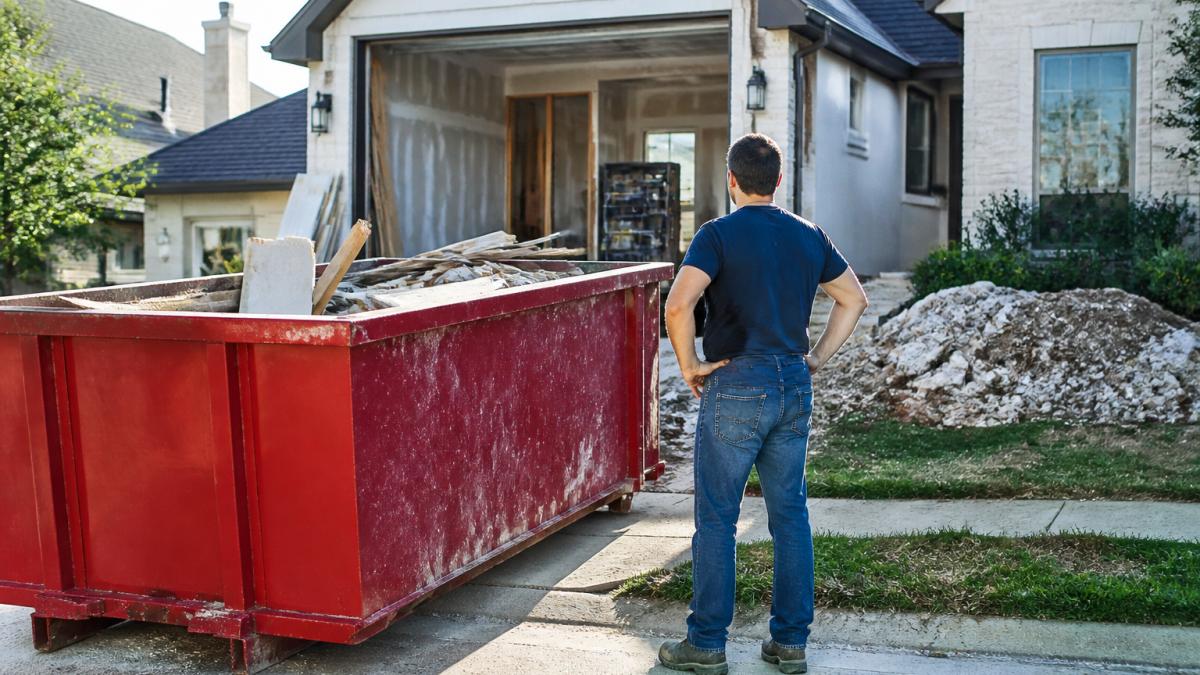
The most common mistake is underestimating volume. Drywall dust, old insulation, flooring scraps, and packaging add up fast, so it’s better to rent slightly larger than you think you need than to get stuck halfway through.
Estimate Your Debris Volume
List every material you’re throwing away: roofing, flooring, drywall, concrete, dirt, brick, landscaping debris, or household items. Then measure your project area in square feet and estimate the depth of material you’re removing.
- Small room cleanout (bedroom, bathroom): Usually fits in a 15-yard dumpster
- Kitchen renovation: 15 to 20-yard range
- Whole-house cleanout: 20 to 25-yard range
- Major construction or demolition: 25 to 30-yard range
- Large landscaping project: 20 to 30-yard range
These are rough guidelines. Your actual needs depend on material type and density.
Account for Material Weight and Type
Weight matters more than volume for heavy materials. Concrete, dirt, brick, and rock are dense and weigh far more than drywall or general debris.
Here’s the critical rule: large amounts of heavy material such as concrete, dirt, brick, or rock must go in a 15-yard dumpster. Do not load these materials into a 20-, 25-, or 30-yard container. A 15-yard dumpster is engineered to handle the weight of these dense materials safely.
Light materials like drywall, insulation, roofing shingles, and household items can go in any size. For substantial concrete removal, a foundation tearout, or major excavation, plan a 15-yard dumpster specifically for that load.
One benefit: customers often receive a break on tonnage when a 15-yard dumpster is filled with clean concrete, dirt, brick, or rock with no trash or other contamination. Ask about this when you call for a quote.
Dumpster Size Guide for Home Cleanouts and Renovations
Different projects need different sizes.
Home cleanouts: A house, garage, or attic cleanout usually fits a 15-yard or 20-yard dumpster. Removing furniture, appliances, and decades of accumulated items? Go 20-yard to avoid a second trip.
Kitchen or bathroom renovation: A 15-yard dumpster handles most kitchen remodels; bathrooms are smaller. Adding flooring or structural work? Bump up to 20-yard.
Roofing projects: Shingles and old roofing material are bulky but light, so a 20-yard dumpster works for most residential roofs. Commercial or multi-story roofs may need 25 or 30-yard.
Flooring removal: Hardwood, tile, and carpet generate significant volume. Plan for 15- to 20-yard depending on square footage.
Landscaping and yard work: Tree removal, stump grinding, and brush clearing need 20 to 30-yard depending on scale. Dirt and heavy debris should go in a 15-yard dumpster.
Foundation or concrete removal: Use a 15-yard dumpster. These materials are heavy and require proper sizing.
The Cost of Undersizing and Oversizing
Undersizing and oversizing both drain your budget. Understanding each helps you size accurately the first time.
What undersizing costs you. When a dumpster fills before the project ends, you face three bad options:
- Pause the project. Work stops until the full container is hauled away and a replacement arrives, pushing every downstream trade, electricians, plumbers, drywallers, back by days.
- Order an emergency second container. Rush deliveries typically carry a premium, and you pay a second delivery and pickup cycle on top of the first.
- Self-haul the overflow. Multiple trips to a transfer station or landfill burn fuel, labor hours, and vehicle wear.
The hidden cost is schedule slip: a two-week renovation that stalls on day ten rarely finishes in two weeks.
What oversizing costs you. Renting more capacity than you need means paying for air. A 30-yard container on a job generating only 15 yards of debris ties up budget and takes up more driveway or street space.
The accuracy principle. The goal is not the biggest container you can afford, it is to match capacity to the debris your project will actually generate by estimating volume, accounting for material weight, and building in a modest buffer.
A useful rule of thumb: estimate your debris volume, then round up to the next available size if your estimate is close to a container’s capacity. If you are well under, size down. If you are well over, size up. Guessing big “just in case” is how oversizing happens.
Worked example: kitchen remodel. A 12 ft × 14 ft kitchen gut with cabinets, countertops, flooring, and drywall typically fills a 15-yard container with room to spare. If the project also removes a load-bearing wall or a tile floor set in mortar, a 20-yard container is safer.
Worked example: concrete removal. A 10 ft × 10 ft concrete patio, four inches thick, produces roughly 1.2 cubic yards of solid concrete, but that volume weighs far more than the same space filled with drywall or insulation. Large amounts of concrete, dirt, brick, or rock must go in a 15-yard dumpster, which is engineered for that density.
The tonnage angle. A container can be half-full by volume and still at its weight limit if the load is dense, which is why material type matters as much as volume. When a 15-yard dumpster is filled with clean concrete, dirt, brick, or rock and no trash or other contamination, customers may receive a break on tonnage, ask when you book.
Fee transparency checklist. Before you sign, confirm in writing:
- What the base rental price includes (delivery, pickup, and any included tonnage)
- The overage rate if you exceed the included weight
- Whether extra hauls or additional containers are billed separately
- Extension terms if the project runs long
- Any prohibited items that would void the rental
Getting these answers upfront avoids the surprise line items that turn a reasonable rental into an expensive one.
How Long to Rent a Dumpster for Different Project Types
Rental duration and container size are two halves of the same decision. Get one wrong and you pay extension fees or a second container, so plan both together.
How rental periods typically work. Most roll-off rentals run on a standard window, often 7 to 14 days, with daily extension rates after that, and some companies offer weekly or monthly pricing for longer jobs.
Short projects (1-3 days). Junk removal, garage cleanouts, small bathroom demos, and single-room flooring tear-outs often finish in a few days.
Medium projects (1-2 weeks). Kitchen remodels, bathroom renovations, and residential roofing jobs typically run 7-14 days. Roofing shingles are bulky but light, so a 20-yard container often fits a single-family roof tear-off.
Recurring projects. Property managers and contractors running multiple job sites often benefit from scheduled pickups or ongoing container placement.
Fill Out Form to Request Dumpster Rental →
The sizing-duration link. The longer a container sits on site, the more likely it is to be overloaded by volume or weight before pickup.
Build a simple timeline before you book: list each phase of the project (demo, rough-in, finish, cleanup), estimate the debris each phase generates, and note which phase produces heavy material. That timeline tells you both the container size and the rental window you need.
Extension mechanics. Ask how extensions work before you need one: how to request more time, how much notice is required, and whether there’s a daily rate or the rental rolls into a new week. Knowing this in advance prevents the last-minute scramble that pushes projects off schedule.
Delivery and pickup timing. Confirm delivery windows and pickup scheduling early. If your project starts Monday, you want the container on site before the crew arrives.
A note on placement and access. Duration planning also depends on where the container sits. A driveway container is easy to swap; one on the street may require a permit and a specific pickup window.
What to Ask When Renting a Dumpster
Before you commit, ask these questions to avoid surprises.
1. What sizes do you offer?
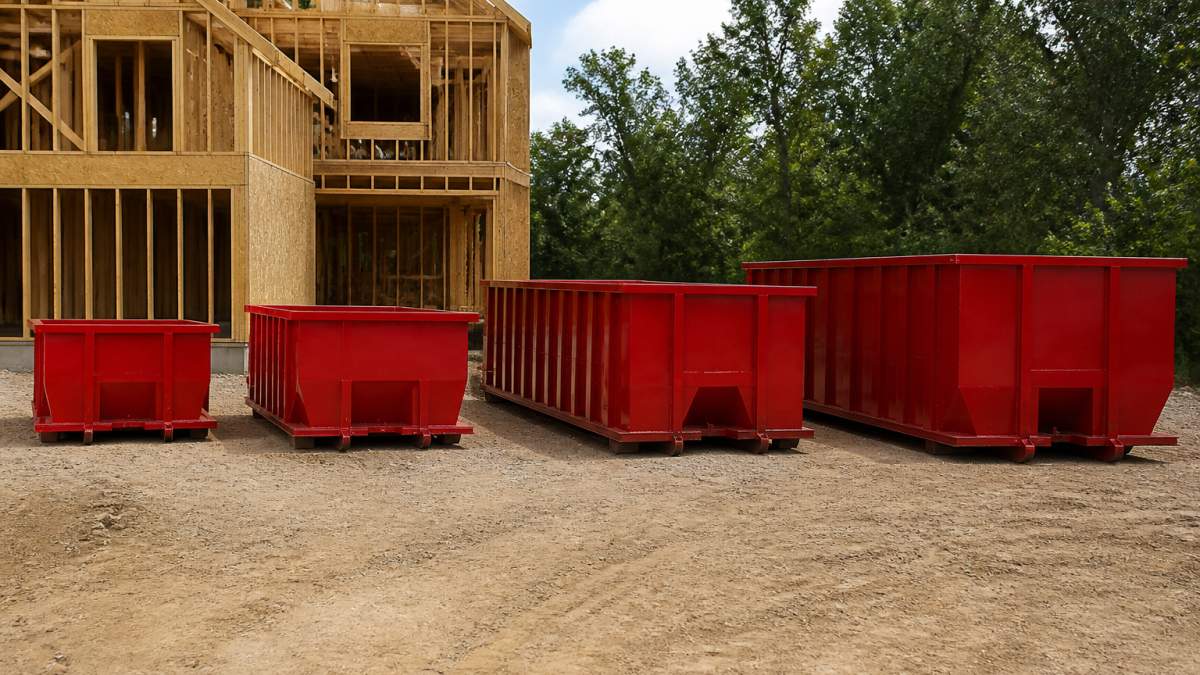
Austex Dumpsters offers 15-yard, 20-yard, 25-yard, and 30-yard roll-off dumpsters. Confirm the company can deliver the exact size for your project.
2. What’s included in the rental price?
Ask what the base price covers: delivery and pickup, weight limits, and what happens if you exceed them. Get the answer in writing.
3. How long is the rental period?
Confirm the standard rental duration. Ask about extensions if your project runs longer.
4. When can you deliver and pick up?
Confirm delivery timing, same-day or next-day, and which days they pick up, so the schedule fits your project timeline.
5. Do you charge extra for heavy materials?
If your project includes concrete, dirt, brick, or rock, ask about weight limits and extra fees. Understand the tonnage policy upfront.
6. What materials can I put in the dumpster?
Some items are prohibited: hazardous waste, electronics, batteries, paint, and certain chemicals. Confirm what’s allowed before you start loading.
7. Can I add more debris after delivery?
Ask if you can add items after the dumpster arrives. Some companies allow it; others require a new rental.
8. What if I need it longer?
Confirm the extension process: how to request one, and how much notice you need to give.
9. Is there a same-day delivery option?
If your project starts immediately, ask about same-day or rush delivery. Austex Dumpsters offers same-day delivery when available, but confirm availability for your specific date and location.
10. What happens if the dumpster gets damaged?
Understand liability: are you responsible for damage from normal use, overloading, or improper placement?
Conclusion
Accurate dumpster sizing keeps projects moving. It prevents the delays, extra costs, and frustration that come from undersizing or oversizing. Estimate your debris volume, account for material weight, and choose the right size upfront, and everything runs smoother.
Austex Dumpsters makes this process simple. We provide expert guidance on sizing for your project, offer same-day delivery when available, and deliver straightforward pricing with no hidden fees. Whether you’re managing a home cleanout, construction site, or landscaping project, we ensure you have the right waste management solution to stay productive and avoid costly downtime. Fill out a form to request a dumpster rental and get started today.
Frequently Asked Questions
How do I know what dumpster size I need for my project?
Start by estimating your total debris volume in cubic yards, then account for material weight. Heavy materials like concrete, dirt, brick, and rock require a 15-yard dumpster regardless of volume. For general debris, consider the scope of your project: a kitchen remodel typically needs 15-20 yards, a full home cleanout 20-25 yards, and major renovations or demolition 25-30 yards. Austex Dumpsters provides expert guidance to help you select the right size and avoid undersizing or overspending.
What happens if I rent a dumpster that is too small?
An undersized dumpster forces you to schedule additional pickups or rent a second container, which delays your project timeline and increases disposal costs. You may also face overage fees if you exceed weight limits. Accurate sizing prevents these unexpected expenses and keeps your crew productive without interruption. Estimating generously upward is usually safer than risking a second haul mid-project.
How long should I keep a dumpster rental for a home cleanout?
Rental duration depends on project scope and crew size. A typical home cleanout takes 3-7 days, while renovations may run 1-4 weeks. Schedule your rental to cover peak debris removal, not just the start date. Austex Dumpsters offers flexible rental periods so you can extend if needed without surprise fees. Discuss your timeline upfront to avoid paying for extra days you don’t use or rushing to meet an artificial deadline.
What should I ask when renting a dumpster?
Ask about available sizes (15-, 20-, 25-, and 30-yard options), weight limits for your material type, delivery timing, pickup scheduling, and whether same-day delivery is available for your date. Clarify the rental period, any fees beyond the base price, and whether you can extend your rental. Ask about material restrictions and whether your debris qualifies for any tonnage breaks. Get the full pricing structure upfront to avoid surprises.