
Table of Contents
- Is a Roll-Off Dumpster Right for Your Yard Waste Project?
- Choosing the Right Dumpster Size for Yard Debris
- What Materials Can Go in Your Roll-Off Dumpster
- How to Load a Roll-Off Dumpster for Maximum Capacity
- Clean Concrete and Dirt Disposal in Your Dumpster
- Dumpster Rental Duration and Scheduling Your Pickup
- Steps to Rent Your Roll-Off Dumpster
- Conclusion
Last Updated: August 30, 2026
Is a Roll-Off Dumpster Right for Your Yard Waste Project?
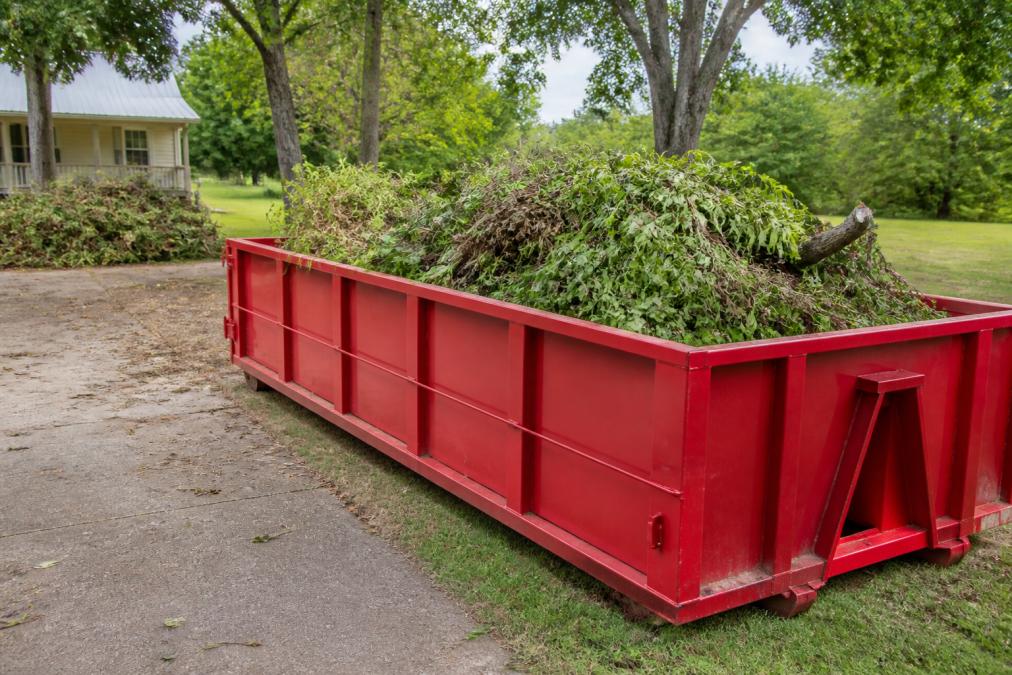
A roll-off dumpster for yard waste is an open-top container delivered to your property, filled on your schedule, and hauled away when full. Whether you’re clearing overgrown landscaping, removing storm damage, or handling a major yard renovation, this approach keeps your project moving without multiple trips to a disposal facility.
The real advantage is control. You rent the dumpster on your timeline, load it at your pace, and schedule pickup when ready. No waiting for bulk collection days or paying per trip at a landfill.
At Austex Dumpsters, we’ve worked with homeowners, landscaping crews, and property managers facing the same challenge: yard waste piles up faster than you can haul it away. A roll-off dumpster solves that directly. But choosing the right size prevents overage fees, missed pickups, and project delays. Most people either rent too small and run out of space, or too large and waste money on unused capacity.
EPA’s guide to yard waste and composting
Choosing the Right Dumpster Size for Yard Debris
Dumpster size is measured in cubic yards and depends on two factors: the volume of debris and the type of material. Austex Dumpsters offers four standard sizes: 15-yard, 20-yard, 25-yard, and 30-yard containers.
A 15-yard dumpster holds roughly 15 cubic yards of material, equivalent to a container about 16 feet long, 8 feet wide, and 5 feet tall (the CDC). The 20-yard, 25-yard, and 30-yard are progressively larger. The difference between sizes matters more than the numbers suggest, especially when dealing with heavy materials.
Start by estimating your debris volume. A typical residential yard cleanup removing branches, grass clippings, and light brush might fill a 15-yard dumpster. A major landscaping renovation with tree removal and soil displacement could need a 25-yard or 30-yard. Understanding what materials you’re disposing of is critical, because weight changes everything.
15-Yard Dumpsters for Heavy Materials
The 15-yard dumpster is the correct choice for large amounts of heavy material such as concrete, dirt, brick, or rock, even if you’re only filling it partially.
Weight limits apply to every dumpster size. A 15-yard container can handle dense, heavy debris that would overload a larger dumpster if filled to capacity. Concrete, asphalt, soil, and brick concentrate weight in a smaller volume. If you load these materials into a 20-, 25-, or 30-yard dumpster, you’ll hit weight limits before filling the space, triggering overage charges.
If your project involves removing concrete from a patio, hauling away brick from a demolished structure, or disposing of significant amounts of dirt or rock, request a 15-yard dumpster.
One additional benefit: customers who fill a 15-yard dumpster with clean concrete, dirt, brick, or rock with no trash or other contamination may receive a break on tonnage. This incentivizes proper material separation and reduces disposal costs for heavy-material projects.
20-Yard, 25-Yard, and 30-Yard Options for Volume
When your project involves lighter materials, branches, grass clippings, brush, leaves, and general yard debris, the larger dumpsters become practical. A 20-yard container suits moderate cleanup projects, a 25-yard handles larger residential renovations, and a 30-yard is appropriate for extensive landscaping work or commercial property cleanouts.
The choice depends on total volume. A roof replacement generates different debris than tree removal, which differs from clearing an overgrown lot. For residential projects, a 20-yard or 25-yard dumpster covers most needs. Contractors managing multiple properties typically prefer the 25-yard or 30-yard to minimize repeat pickups.
Yard waste is deceptively bulky. Branches, grass clippings, and brush take up more space than expected. If uncertain between two sizes, choose the larger one. The cost difference is usually smaller than renting a second dumpster when the first fills up.
What Materials Can Go in Your Roll-Off Dumpster
Understanding what’s acceptable and what’s prohibited prevents delays, extra fees, and legal issues.
Acceptable materials include grass clippings, leaves, branches, brush, logs, wood chips, tree stumps, landscape fabric, mulch, soil, and compost. Concrete, dirt, brick, and rock are also acceptable and belong in a 15-yard dumpster.
Prohibited materials include hazardous waste (pesticides, fertilizers, gasoline), asbestos, treated lumber, roofing materials with tar or asphalt, electronics, appliances, and tires. These require specialized disposal and cannot go into standard landfill waste streams.
Hazardous materials contaminate landfills and groundwater (the EPA). Asbestos requires certified disposal. Electronics contain heavy metals. Roofing materials with asphalt create environmental problems. Mixing prohibited items into your load can result in the entire dumpster being rejected, forcing you to remove and sort contents yourself.
Always ask about restrictions before renting. Austex Dumpsters can guide you on what’s acceptable for your specific project.
How to Load a Roll-Off Dumpster for Maximum Capacity
Loading strategy determines how much material actually fits. Poor loading wastes space; smart loading maximizes capacity and prevents overfull containers that get rejected at the landfill.
Start by breaking down large items. Branches, logs, and wooden debris should be cut into manageable lengths, typically 4 to 6 feet. Smaller pieces pack more efficiently than long, unwieldy branches that create air gaps.
Layer strategically. Place heavier, denser materials at the bottom, soil, concrete, brick, or rock. Layer lighter materials on top: grass clippings, leaves, branches, and brush. This distributes weight evenly and prevents lighter debris from settling and wasting vertical space.
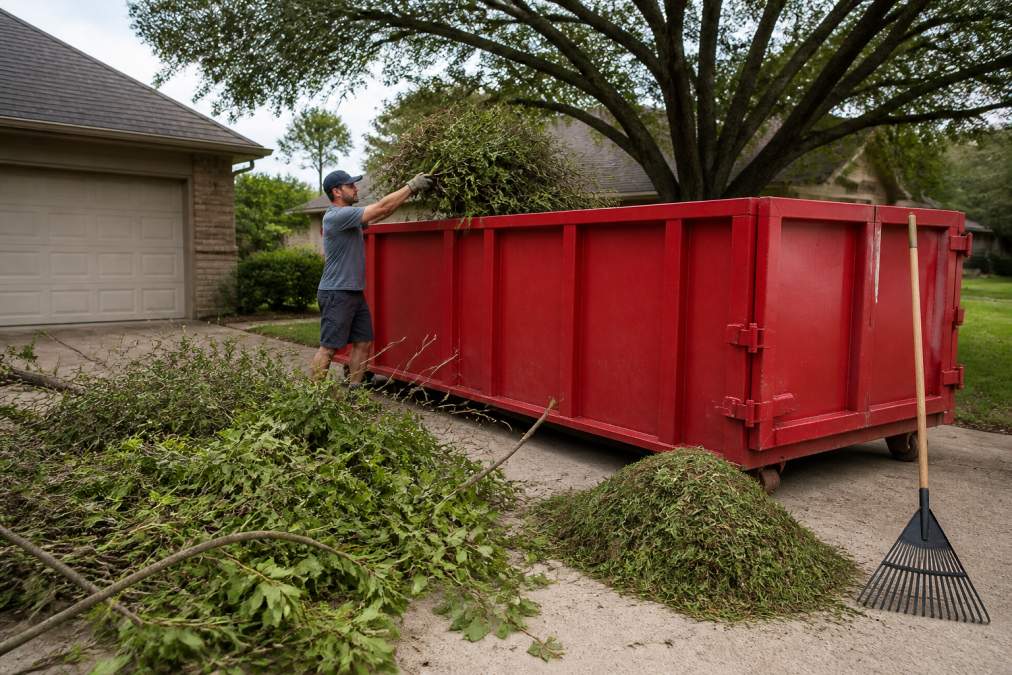
Compress as you go. Use your feet or a rake to press down lighter materials and eliminate air pockets. This difference between a 70% full dumpster and a 95% full one can add 20-30% more material to the same container.
Avoid overfilling. Most dumpsters have a fill line just above the rim. Overfilled containers get rejected, and you’ll need to remove excess material or rent another dumpster. Load to the line, not above it.
Wet down grass clippings and leaves slightly. Moisture compacts these materials and prevents them from blowing out during transport, especially important for windy routes.
Clean Concrete and Dirt Disposal in Your Dumpster
Concrete and dirt disposal deserves specific attention because these materials are heavy, require proper containment, and qualify for the tonnage break mentioned earlier.
Clean concrete, meaning concrete with no embedded rebar, wire, or other metal, is acceptable in a 15-yard dumpster. The same applies to clean dirt, brick, and rock. The key word is "clean." Contamination means mixed materials: dirt with plastic, concrete with metal, or any debris mixed into the load.
If your concrete removal includes rebar or embedded metal, that material requires specialized recycling or disposal. Separate clean concrete from reinforced concrete before disposal to avoid rejection and extra charges.
Dirt disposal is straightforward if the soil is uncontaminated. Topsoil, subsoil, clay, and standard excavation dirt all go into a 15-yard dumpster. Dirt contaminated with construction waste, plastic, rocks, or other debris may be rejected or charged at a higher rate.
The tonnage break applies specifically to clean material. A 15-yard dumpster filled entirely with clean concrete, dirt, brick, or rock with zero contamination may qualify for reduced disposal fees. This incentivizes proper sorting and material separation. When scheduling your pickup, mention that you’re disposing of concrete or dirt specifically. Austex Dumpsters can confirm that your load qualifies for the tonnage break.
Dumpster Rental Duration and Scheduling Your Pickup
Rental duration affects your total cost and project timeline. Most roll-off dumpster rentals are priced per rental period, not per day. You fill the dumpster at your pace, and when ready, you call for pickup.
Contact Austex Dumpsters with your location and desired pickup date. Same-day delivery and pickup are often available, but availability depends on current demand and your location. Booking in advance ensures your preferred date, especially during peak seasons.
If your project takes longer than expected, you can extend your rental. This is simpler than rushing to fill the dumpster or renting a second one. Austex Dumpsters can discuss extension options when you call.
Seasonal demand affects availability. Spring and summer see higher demand for yard waste disposal, especially after storms or during landscaping season. Fall cleanup season is also busy. Winter typically has lower demand. If your project is flexible, scheduling during off-peak periods may improve availability.
Plan your pickup timing carefully. Once the dumpster is picked up, your rental ends. If you realize you have more debris after pickup, you’ll need to rent again.
Steps to Rent Your Roll-Off Dumpster
Renting a roll-off dumpster involves straightforward steps: assess your needs, contact Austex Dumpsters, confirm sizing and materials, schedule delivery, and arrange pickup.
Step 1: Estimate Your Debris Volume and Material Type
Walk through your project area and estimate how much material you’re removing. Identify the primary materials: are you hauling branches and brush, or is concrete and dirt involved? This determines the right dumpster size. If uncertain, choose the larger dumpster.
Step 2: Contact Austex Dumpsters
Reach out with your project details: location, estimated debris volume, material type, and preferred delivery date. Austex Dumpsters will recommend the appropriate dumpster size. If you mention heavy materials like concrete or dirt, confirm that a 15-yard dumpster is the right choice.
Step 3: Confirm Pricing and Rental Terms
Austex Dumpsters will provide pricing information and explain rental terms, including rental duration, weight allowances, and any applicable tonnage breaks for clean concrete or dirt. Ask about same-day delivery availability and confirm your preferred pickup date.
Step 4: Schedule Delivery
Confirm your delivery date and time window. Ensure you have adequate space on your property for the container, typically a driveway or cleared area where the truck can position it safely.
Step 5: Load Your Dumpster
Once delivered, load your debris at your pace. Follow the loading strategies described above to maximize capacity. Keep heavy materials separate from light materials, break down large items, and compress as you go.
Step 6: Schedule Pickup
When your dumpster is full or your project is complete, contact Austex Dumpsters to schedule pickup. Confirm your pickup date and ensure the dumpster is accessible for the hauling truck.
Step 7: Pickup and Rental Completion
The truck arrives, picks up your dumpster, and your rental is complete. Your project waste is routed to the appropriate facilities: landfills for general debris, recycling centers for clean concrete and dirt, or specialized facilities for restricted materials.
This process typically takes a few days from initial contact to delivery, depending on current demand. Planning ahead ensures smooth scheduling and prevents project delays.
Frequently Asked Questions
Can you put yard waste in a roll-off dumpster?
Yes. Roll-off dumpsters accept most yard waste, including grass clippings, brush and branches, leaves, and organic debris. However, check with your rental company about specific materials, some items like stumps or treated wood may have restrictions. Clean yard waste without contamination often qualifies for disposal at landfill diversion facilities.
How do I choose the right dumpster size for my yard cleanup project?
Start by estimating your waste volume in cubic yards. A 15-yard dumpster handles moderate cleanups like seasonal yard work. For larger landscaping projects or major debris removal, a 20-yard, 25-yard, or 30-yard dumpster provides more capacity. Consider the project scope, waste type, and available space at your property when selecting size.
What's the typical dumpster rental duration, and can I extend it?
Most rental durations range from 3 to 7 days, though flexible scheduling is available for longer projects. If you need your dumpster longer, contact your rental company about extended rental options. Pickup timing is usually coordinated around your project timeline to keep work on schedule.
How do I maximize the capacity of my roll-off dumpster?
Load strategically by placing heavier items on the bottom and lighter debris on top. Break down large branches to save space, and compact materials when possible. Avoid overfilling beyond the rim, which can lead to overage charges. Proper loading helps you fit more waste and avoid the cost of a second dumpster.
Yard waste disposal doesn’t have to create logistical headaches. When your project involves significant debris, whether branches, concrete, dirt, or a mix, a roll-off dumpster keeps everything organized and on schedule. Get started with Austex Dumpsters and let our team guide you through sizing, delivery, and pickup. We handle the logistics so you can focus on finishing your project.
This article was written using GrandRanker